
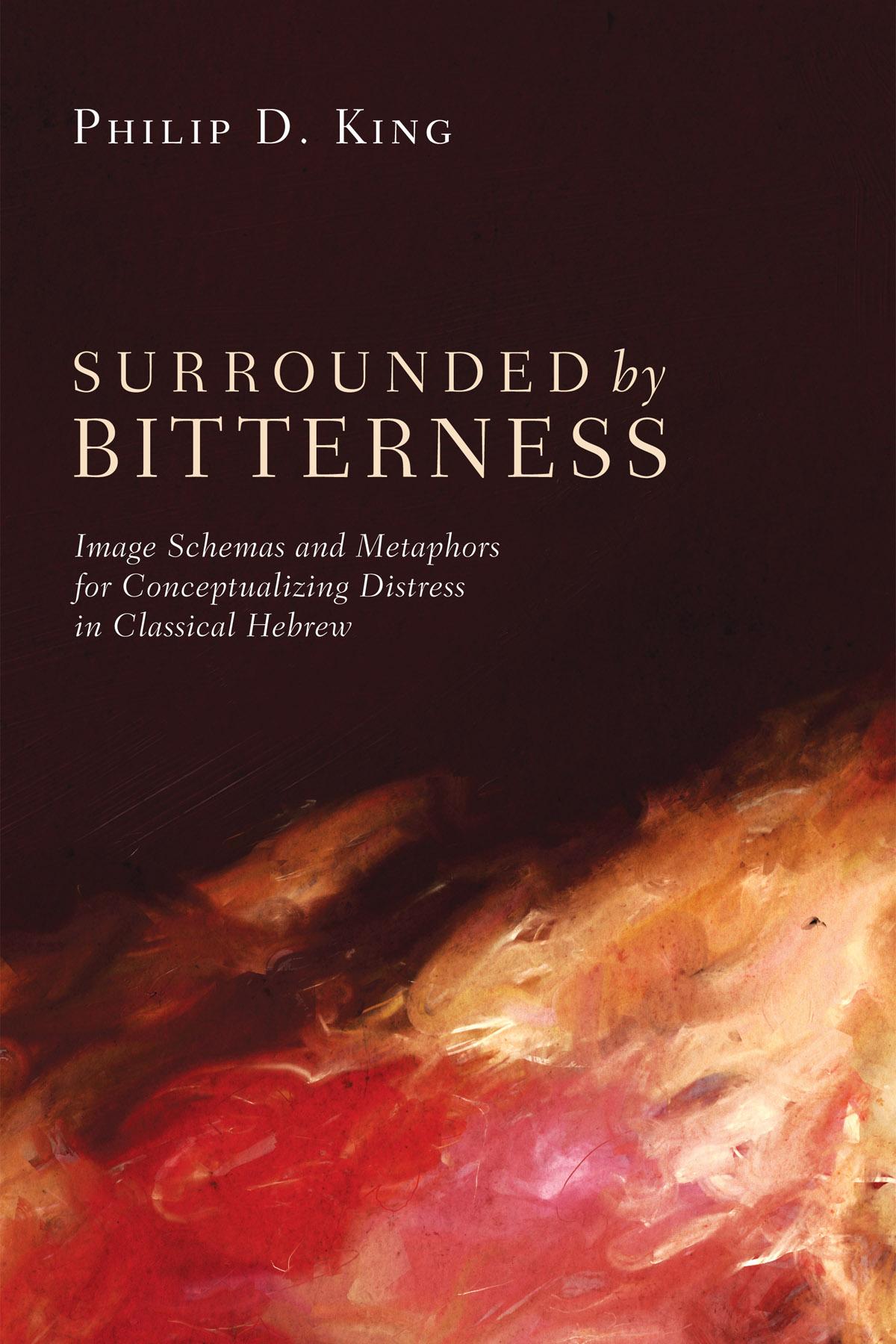
How did the ancient Hebrew writers understand their emotional experiences of being in distress? Were their feelings similar to those of an English speaker who feels down, or were there other embodied experiences they used to make sense of physical, social, and emotional distress? This research establishes a cognitive linguistic methodology for addressing these questions, and investigates the use of embodied experiences of VERTICALITY, CONSTRAINT, FORCE, DARKNESS, and BAD TASTE in the conventional language of classical Hebrew lament to understand and reason about situations of distress.
Paga fácilmente con tarjeta, Klarna, Apple Pay o Google Pay. ¿No estás contento? Siempre tienes 14 días de garantía de devolución. Lee más en nuestros términos. Si tienes preguntas, escríbenos a hello@memmo.org.
Memmo hace que estudiar sea más fácil, estés donde estés. Aquí tienes tus libros de texto y herramientas de estudio inteligentes en un solo lugar: resúmenes, quizzes, podcasts y flashcards. Y también a Ted, tu compañero de estudio que responde a todo lo que te preguntes. Más de 50 000 estudiantes ya estudian aquí. Está hecho para que aprendas más rápido y te estreses menos.
También te podría gustar
Comprar el libro0