
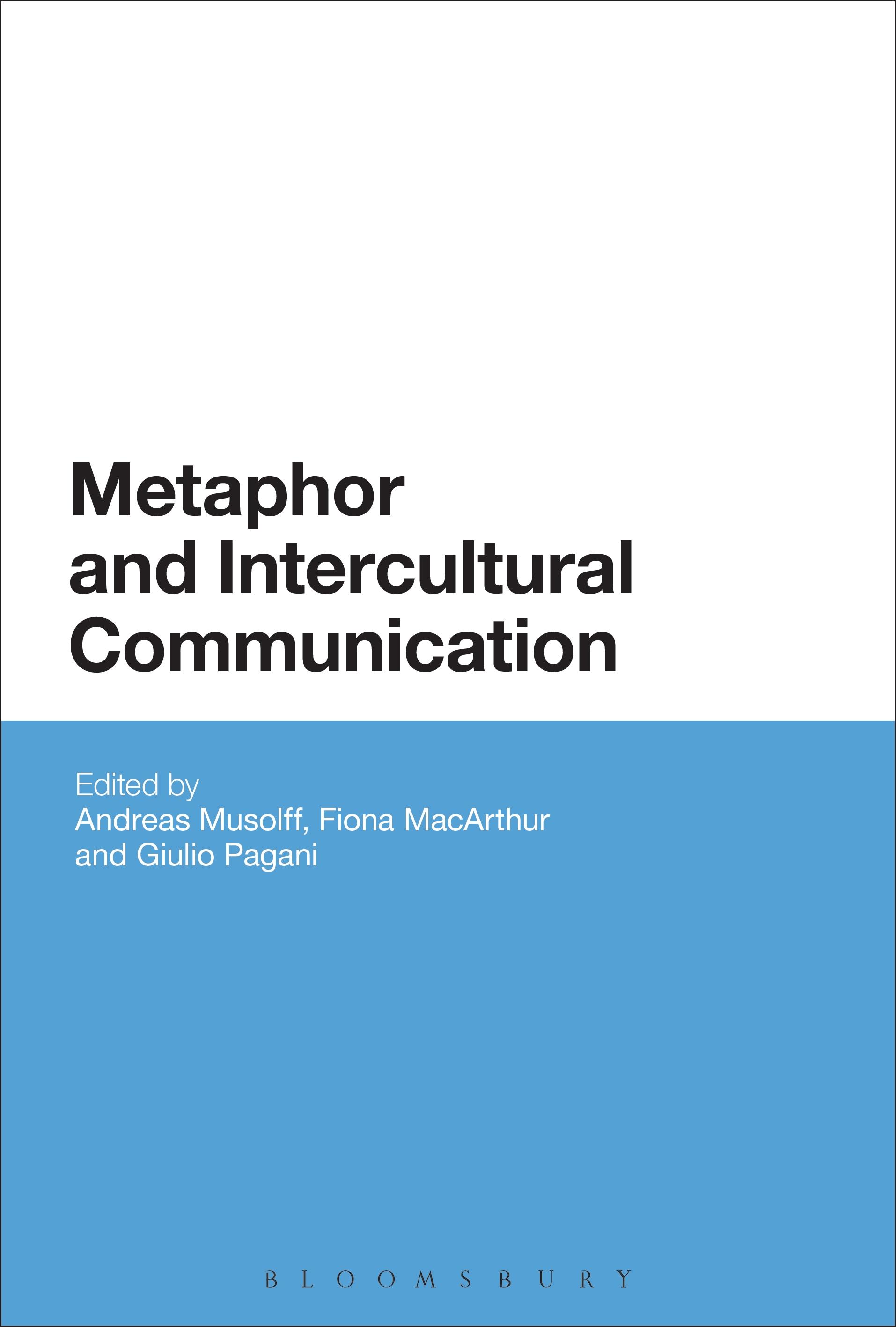
Metaphor and Intercultural Communication examines in detail the dynamics of metaphor in interlingual contact, translation and globalization processes. Its case-studies, which combine methods of cognitive metaphor theory with those of corpus-based and discourse-oriented research, cover contact linguistic and cultural contacts between Chinese, English including Translational English and Aboriginal English, Greek, Kabyle, Romanian, Russian, Serbian, and Spanish.
Part I introduces readers to practical and methodological problems of the intercultural transfer of metaphor through empirical (corpus-based and experimental) studies of translators' experiences and strategies in dealing with figurative language in a variety of contexts. Part II explores the universality-relativity dimension of cross- and intercultural metaphor on the basis of empirical data from various European and non-European cultures. Part III investigates the socio-economic and political consequences of figurative language use through case studies of communication between aboriginal and mainstream cultures, in the media, in political discourse and gender-related discourses.
Special attention is paid to cases of miscommunication and of deliberate re- and counter-conceptualisation of clichés from one culture into another. The results open new perspectives on some of the basic assumptions of the 'classic' cognitive paradigm, e.g. regarding metaphor understanding, linguistic relativity and concept-construction.
Part I introduces readers to practical and methodological problems of the intercultural transfer of metaphor through empirical (corpus-based and experimental) studies of translators' experiences and strategies in dealing with figurative language in a variety of contexts. Part II explores the universality-relativity dimension of cross- and intercultural metaphor on the basis of empirical data from various European and non-European cultures. Part III investigates the socio-economic and political consequences of figurative language use through case studies of communication between aboriginal and mainstream cultures, in the media, in political discourse and gender-related discourses.
Special attention is paid to cases of miscommunication and of deliberate re- and counter-conceptualisation of clichés from one culture into another. The results open new perspectives on some of the basic assumptions of the 'classic' cognitive paradigm, e.g. regarding metaphor understanding, linguistic relativity and concept-construction.
Paga fácilmente con tarjeta, Klarna, Apple Pay o Google Pay. ¿No estás contento? Siempre tienes 14 días de garantía de devolución. Lee más en nuestros términos. Si tienes preguntas, escríbenos a hello@memmo.org.
Memmo hace que estudiar sea más fácil, estés donde estés. Aquí tienes tus libros de texto y herramientas de estudio inteligentes en un solo lugar: resúmenes, quizzes, podcasts y flashcards. Y también a Ted, tu compañero de estudio que responde a todo lo que te preguntes. Más de 50 000 estudiantes ya estudian aquí. Está hecho para que aprendas más rápido y te estreses menos.