
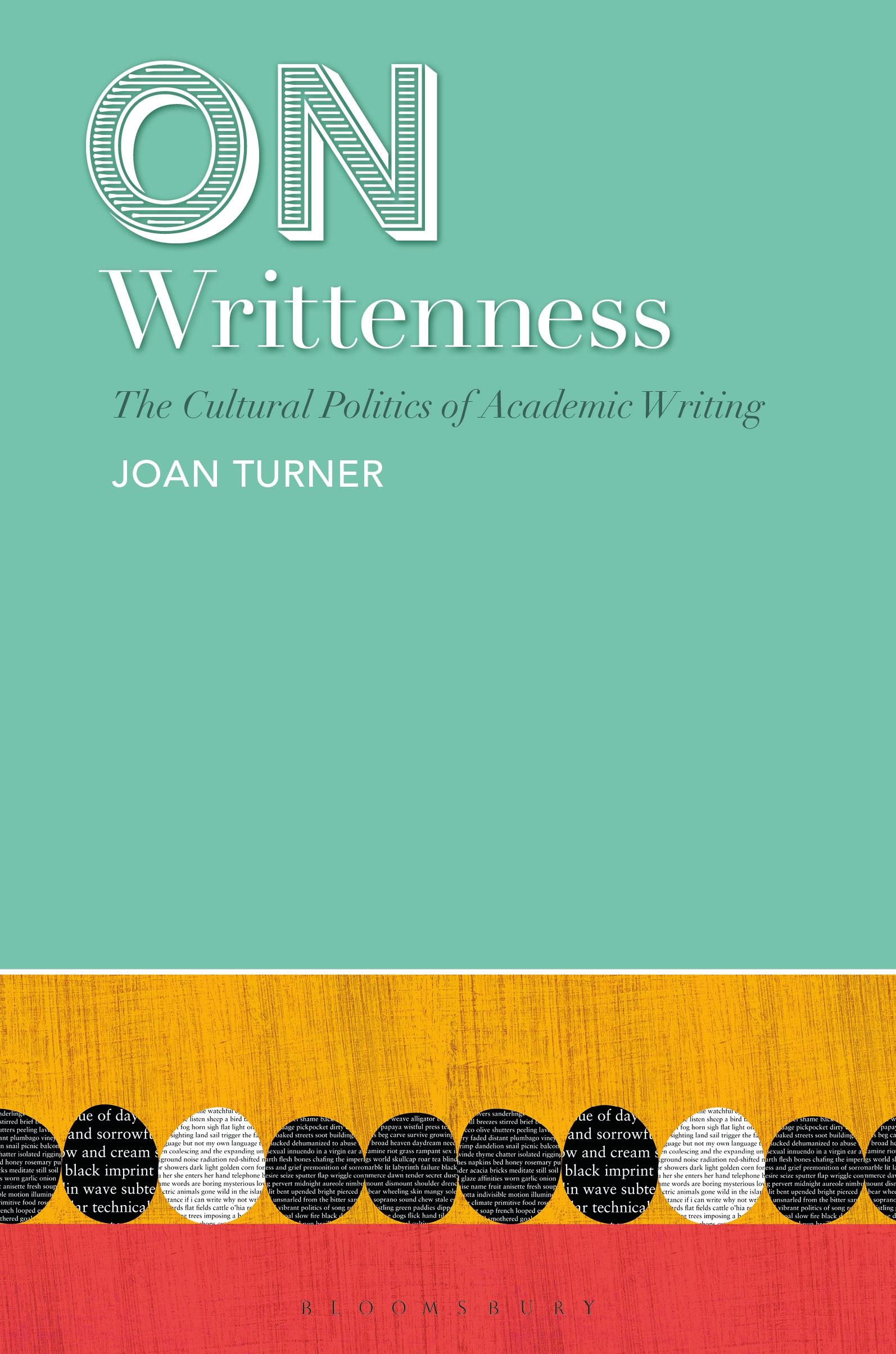
This book develops the concept of 'writtenness' (historically-formed stylistic and aesthetic values within writing) to highlight the demands, taken-for-granted ideals, institutional frictions, and changing circumstances of academic writing in English in the contemporary international university.
Recognising the political importance of the role that English plays in an increasingly internationalized higher education network, Joan Turner pits writtenness against the contingency and instability of international English in real-life institutional contexts. In doing so, she brings out the theoretical significance of this, as writing becomes a motor of linguistic change and can no longer be seen simply as the repository of academic standards.
Of particular interest to academics and postgraduates in TESOL, applied linguistics, rhetoric and composition, English as a Lingua Franca studies, and the sociolinguistics of writing, as well as to EAP practitioners, this book is among the first to theoretically consider the implications for the cultural homogeneity of the written word. It also offers a unique perspective on the role of writtenness within the broader historical context of leaving the era of print culture. As such, this book is highly recommended for students, researchers, and policy makers alike.
Recognising the political importance of the role that English plays in an increasingly internationalized higher education network, Joan Turner pits writtenness against the contingency and instability of international English in real-life institutional contexts. In doing so, she brings out the theoretical significance of this, as writing becomes a motor of linguistic change and can no longer be seen simply as the repository of academic standards.
Of particular interest to academics and postgraduates in TESOL, applied linguistics, rhetoric and composition, English as a Lingua Franca studies, and the sociolinguistics of writing, as well as to EAP practitioners, this book is among the first to theoretically consider the implications for the cultural homogeneity of the written word. It also offers a unique perspective on the role of writtenness within the broader historical context of leaving the era of print culture. As such, this book is highly recommended for students, researchers, and policy makers alike.
Paga fácilmente con tarjeta, Klarna, Apple Pay o Google Pay. ¿No estás contento? Siempre tienes 14 días de garantía de devolución. Lee más en nuestros términos. Si tienes preguntas, escríbenos a hello@memmo.org.
Memmo hace que estudiar sea más fácil, estés donde estés. Aquí tienes tus libros de texto y herramientas de estudio inteligentes en un solo lugar: resúmenes, quizzes, podcasts y flashcards. Y también a Ted, tu compañero de estudio que responde a todo lo que te preguntes. Más de 50 000 estudiantes ya estudian aquí. Está hecho para que aprendas más rápido y te estreses menos.