
Winner of the Tianjin Social Science Outstanding Achievement Award.
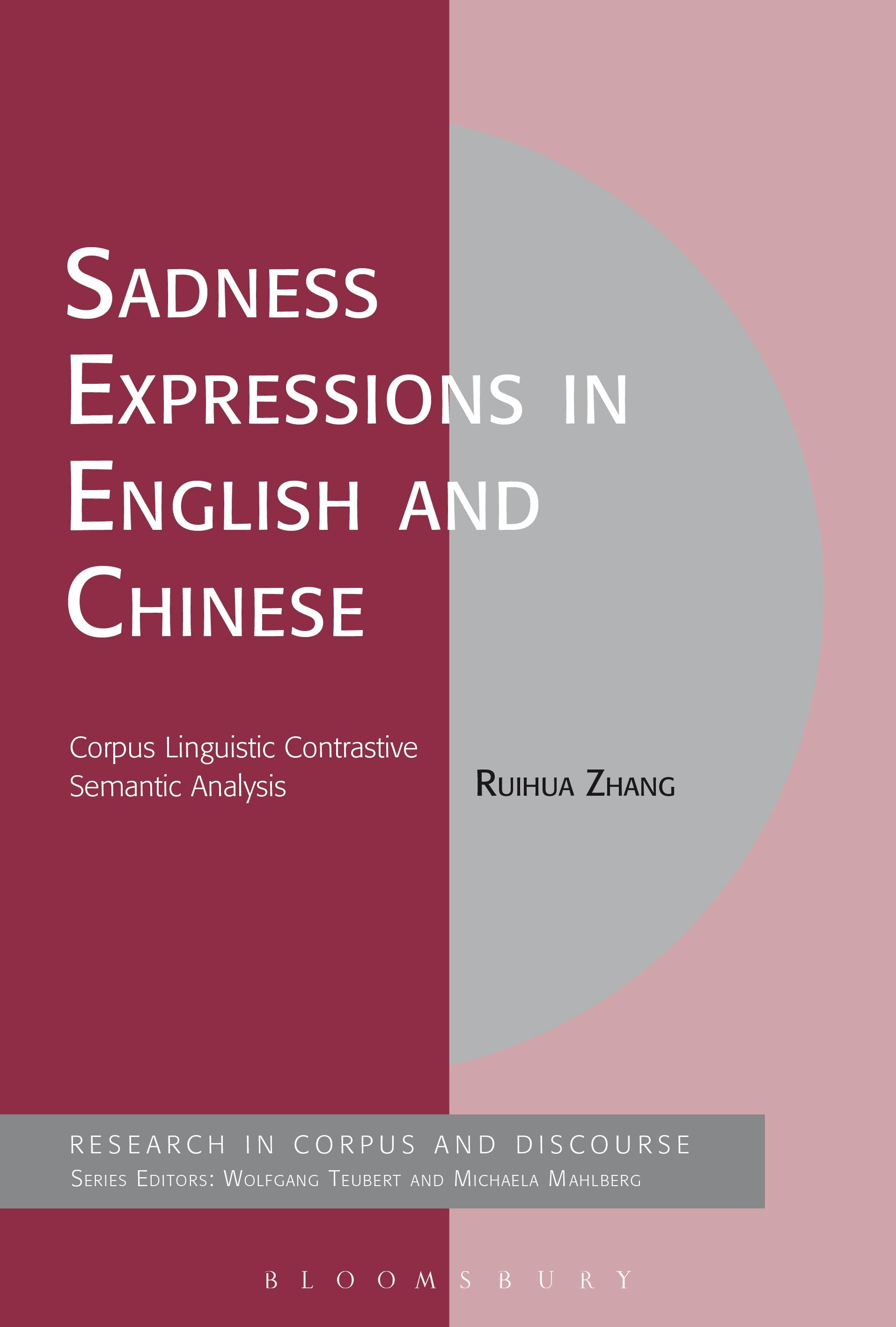
This book reports on the contrastive-semantic investigation of sadness expressions between English and Chinese, based on two monolingual general corpora and a parallel corpus. The exploration adopts a unique theoretical approach which integrates corpus-linguistic theories on meaning (as a social construct, usage and paraphrase) with a corpus-linguistic lexical model. It employs a new complex but workable methodology which combines computational tools with manual examination to tease meaning out of corpus evidence, to compare and contrast lexical items that do not match up neatly between languages. It looks at sadness expressions both within and across languages in terms of three corpus-linguistic structural categories, i.e. colligation, collocation and semantic association/preference, and paraphrase (both explicit and implicit) to capture their subtle nuances of meaning, disclose the culture-specific conceptualisations encoded in them, and highlight their respective cultural distinctiveness of emotion.
By presenting multidisciplinary original work, Sadness Expressions in English and Chinese will be of interest to researchers in corpus linguistics, contrastive lexical semantics, psychology, bilingual lexicography and language pedagogy.
This book reports on the contrastive-semantic investigation of sadness expressions between English and Chinese, based on two monolingual general corpora and a parallel corpus. The exploration adopts a unique theoretical approach which integrates corpus-linguistic theories on meaning (as a social construct, usage and paraphrase) with a corpus-linguistic lexical model. It employs a new complex but workable methodology which combines computational tools with manual examination to tease meaning out of corpus evidence, to compare and contrast lexical items that do not match up neatly between languages. It looks at sadness expressions both within and across languages in terms of three corpus-linguistic structural categories, i.e. colligation, collocation and semantic association/preference, and paraphrase (both explicit and implicit) to capture their subtle nuances of meaning, disclose the culture-specific conceptualisations encoded in them, and highlight their respective cultural distinctiveness of emotion.
By presenting multidisciplinary original work, Sadness Expressions in English and Chinese will be of interest to researchers in corpus linguistics, contrastive lexical semantics, psychology, bilingual lexicography and language pedagogy.
Paga fácilmente con tarjeta, Klarna, Apple Pay o Google Pay. ¿No estás contento? Siempre tienes 14 días de garantía de devolución. Lee más en nuestros términos. Si tienes preguntas, escríbenos a hello@memmo.org.
Memmo hace que estudiar sea más fácil, estés donde estés. Aquí tienes tus libros de texto y herramientas de estudio inteligentes en un solo lugar: resúmenes, quizzes, podcasts y flashcards. Y también a Ted, tu compañero de estudio que responde a todo lo que te preguntes. Más de 50 000 estudiantes ya estudian aquí. Está hecho para que aprendas más rápido y te estreses menos.