
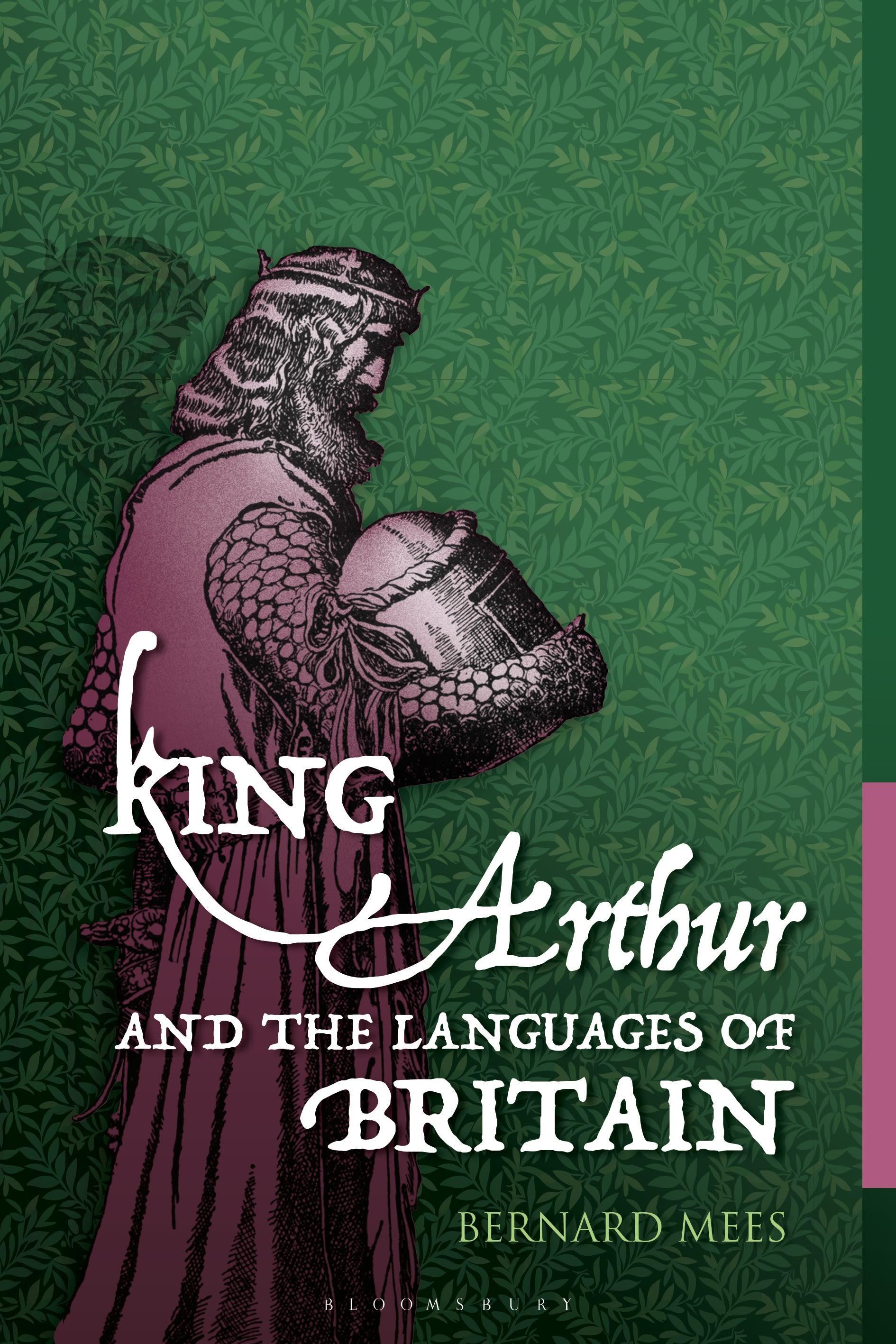
Medievalists have denied the historical existence of King Arthur for over 50 years. Arthur and the Languages of Britain demonstrates how linguistic evidence can be employed to see if the earliest historical records that mention Arthur are reliable.
The book begins with an analysis of the evidence for the Anglo-Saxon invasions and the response of the Britons, and introduces the main methodological approaches employed in the linguistic analysis of historical records. It then provides evidence for Arthur as a Cumbric-speaker active in the region about Hadrian's Wall, before assessing the linguistic evidence which supports the validity of the references to Arthur in the Welsh Annals and the Historia Brittonum.
Bernard Mees reflects on how Arthur is recorded as having taken part in the Battle of Mount Badon, a site that has never been located, and dying at Camlann, now Castlesteads on Hadrian's Wall. He uses linguistic analysis of the evidence recorded for the existence of Arthur to support the historical reliability of these records. Mees concludes with a summary of how Geoffrey of Monmouth created pseudo-historical stories from the references to Arthur in these early sources, turning Ambrosius Aurelianus into Merlin and Mordred into King Arthur's nephew and the lover of his queen Guinevere.
The book begins with an analysis of the evidence for the Anglo-Saxon invasions and the response of the Britons, and introduces the main methodological approaches employed in the linguistic analysis of historical records. It then provides evidence for Arthur as a Cumbric-speaker active in the region about Hadrian's Wall, before assessing the linguistic evidence which supports the validity of the references to Arthur in the Welsh Annals and the Historia Brittonum.
Bernard Mees reflects on how Arthur is recorded as having taken part in the Battle of Mount Badon, a site that has never been located, and dying at Camlann, now Castlesteads on Hadrian's Wall. He uses linguistic analysis of the evidence recorded for the existence of Arthur to support the historical reliability of these records. Mees concludes with a summary of how Geoffrey of Monmouth created pseudo-historical stories from the references to Arthur in these early sources, turning Ambrosius Aurelianus into Merlin and Mordred into King Arthur's nephew and the lover of his queen Guinevere.
Paga fácilmente con tarjeta, Klarna, Apple Pay o Google Pay. ¿No estás contento? Siempre tienes 14 días de garantía de devolución. Lee más en nuestros términos. Si tienes preguntas, escríbenos a hello@memmo.org.
Memmo hace que estudiar sea más fácil, estés donde estés. Aquí tienes tus libros de texto y herramientas de estudio inteligentes en un solo lugar: resúmenes, quizzes, podcasts y flashcards. Y también a Ted, tu compañero de estudio que responde a todo lo que te preguntes. Más de 50 000 estudiantes ya estudian aquí. Está hecho para que aprendas más rápido y te estreses menos.