
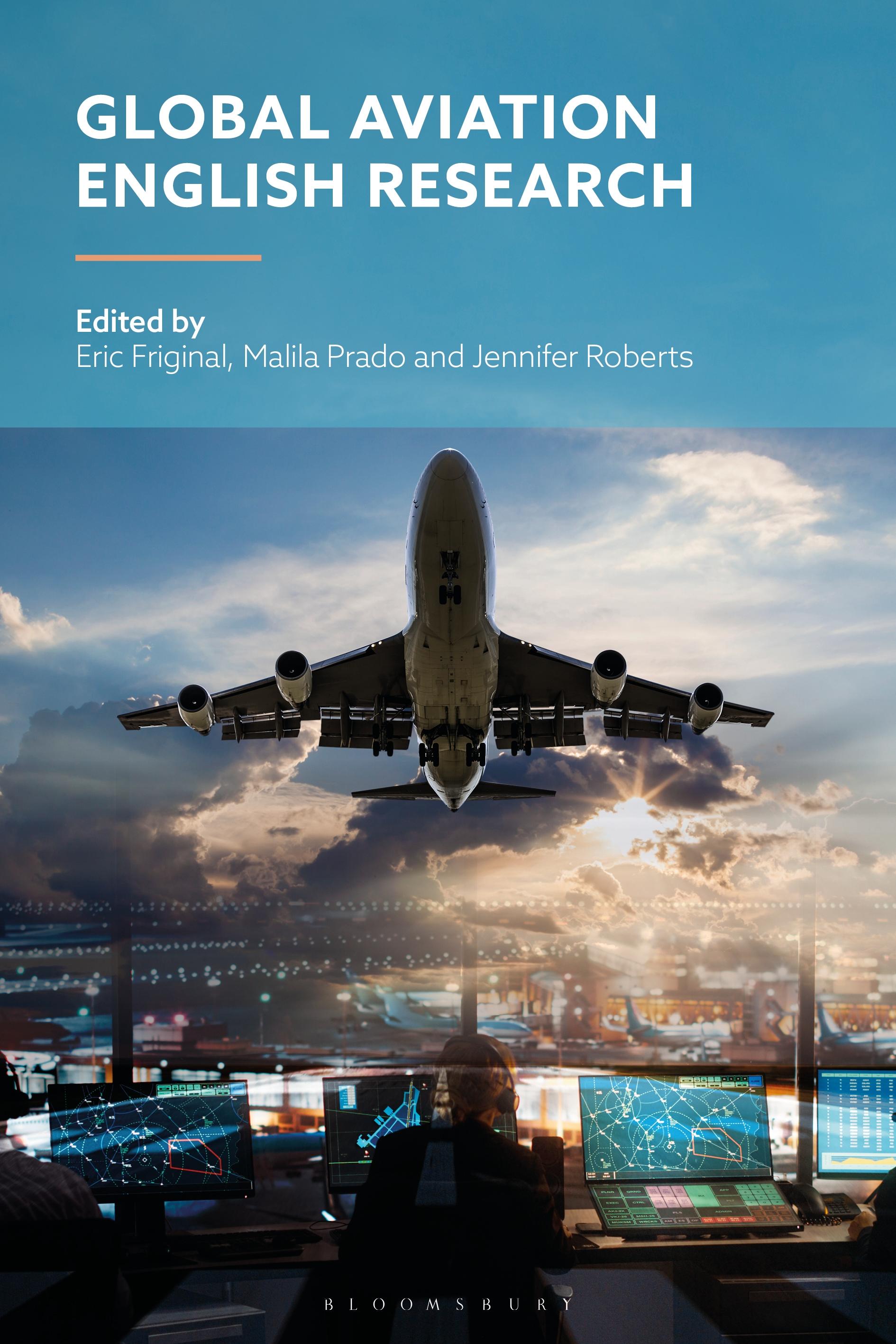
Advocating for best practices within aviation English language research, this volume offers deeper insights into the practical, policy-based, and societal contexts in which International Civil Aviation Organization (ICAO) language standards are embedded.
English is the official language for international pilot-air traffic controller (ATC) communications, mandated by the ICAO. It is also the de facto universal common language for all other forms of communication, including the language of maintenance technicians (and maintenance manuals), aeronautical engineers, cabin crew, ground staff, and aviation business professionals. In this book, renowned academic experts and aviation professionals come together to explore a variety of research trends, providing an effective and efficient analysis of the language needs of the aviation industry, its future directions, and an extended look at linguistic principles in action. Chapters engage in detail with research data, case studies, and concrete examples of interactional tasks, transactional exchanges and radiotelephony. They also examine the common vocabulary and phrasal patterns in aviation discourse required to communicate successfully in various roles and contexts within the aviation industry. The result is a meaningful contribution to the global development and improvement of standards of aviation research; investigations of the role of language in aviation accidents; and research into language as a human factor in aviation communications, customer service, and intercultural (mis)communication.
English is the official language for international pilot-air traffic controller (ATC) communications, mandated by the ICAO. It is also the de facto universal common language for all other forms of communication, including the language of maintenance technicians (and maintenance manuals), aeronautical engineers, cabin crew, ground staff, and aviation business professionals. In this book, renowned academic experts and aviation professionals come together to explore a variety of research trends, providing an effective and efficient analysis of the language needs of the aviation industry, its future directions, and an extended look at linguistic principles in action. Chapters engage in detail with research data, case studies, and concrete examples of interactional tasks, transactional exchanges and radiotelephony. They also examine the common vocabulary and phrasal patterns in aviation discourse required to communicate successfully in various roles and contexts within the aviation industry. The result is a meaningful contribution to the global development and improvement of standards of aviation research; investigations of the role of language in aviation accidents; and research into language as a human factor in aviation communications, customer service, and intercultural (mis)communication.
Paga fácilmente con tarjeta, Klarna, Apple Pay o Google Pay. ¿No estás contento? Siempre tienes 14 días de garantía de devolución. Lee más en nuestros términos. Si tienes preguntas, escríbenos a hello@memmo.org.
Memmo hace que estudiar sea más fácil, estés donde estés. Aquí tienes tus libros de texto y herramientas de estudio inteligentes en un solo lugar: resúmenes, quizzes, podcasts y flashcards. Y también a Ted, tu compañero de estudio que responde a todo lo que te preguntes. Más de 50 000 estudiantes ya estudian aquí. Está hecho para que aprendas más rápido y te estreses menos.