
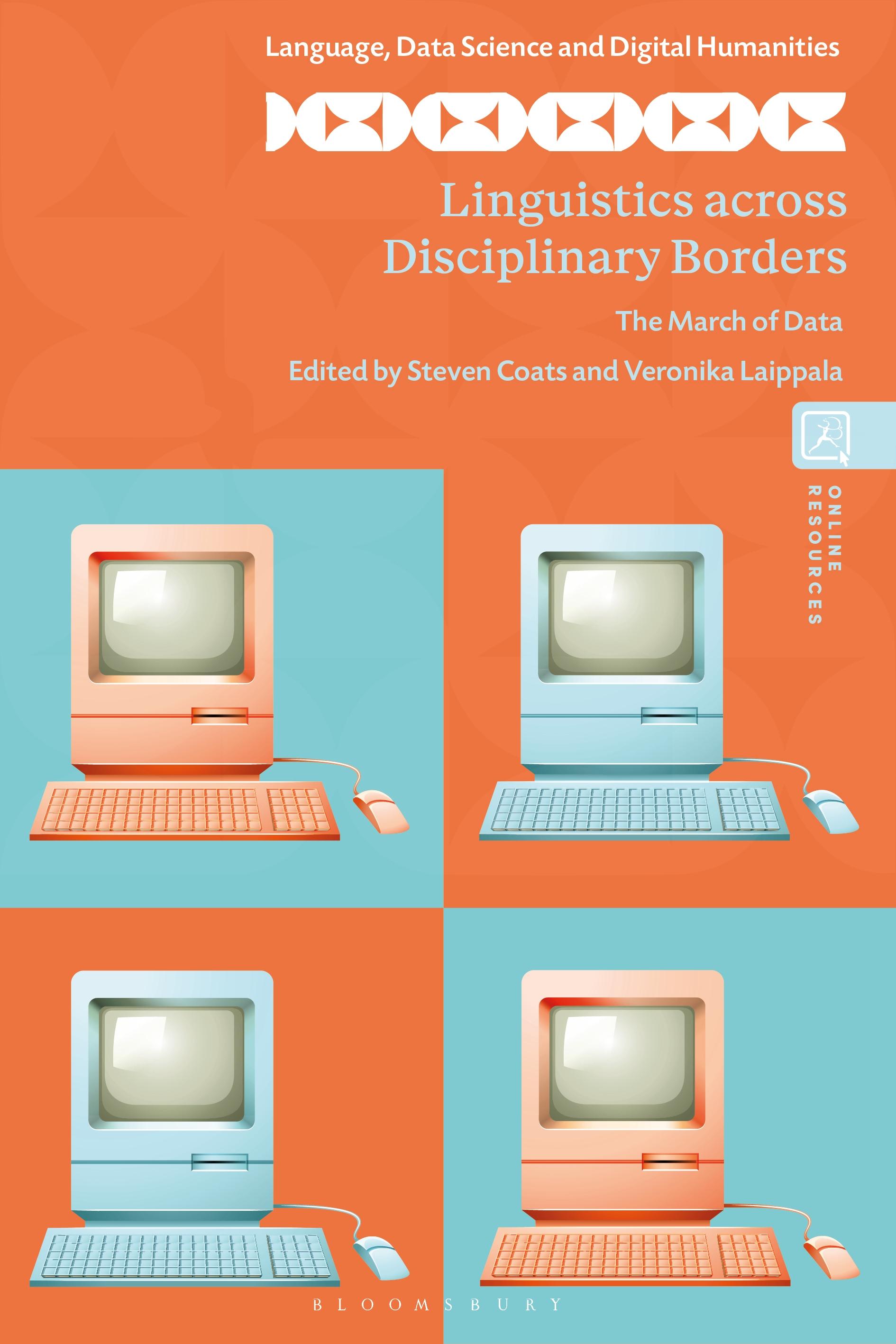
This volume highlights the ways in which recent developments in corpus linguistics and natural language processing can engage with topics across language studies, humanities and social science disciplines.
New approaches have emerged in recent years that blur disciplinary boundaries, facilitated by factors such as the application of computational methods, access to large data sets, and the sharing of code, as well as continual advances in technologies related to data storage, retrieval, and processing. The “march of data” denotes an area at the border region of linguistics, humanities, and social science disciplines, but also the inevitable development of the underlying technologies that drive analysis in these subject areas.
Organized into 3 sections, the chapters are connected by the underlying thread of linguistic corpora: how they can be created, how they can shed light on varieties or registers, and how their metadata can be utilized to better understand the internal structure of similar resources. While some chapters in the volume make use of well-established existing corpora, others analyze data from platforms such as YouTube, Twitter or Reddit. The volume provides insight into the diversity of methods, approaches, and corpora that inform our understanding of the “border regions” between the realms of data science, language/linguistics, and social or cultural studies.
New approaches have emerged in recent years that blur disciplinary boundaries, facilitated by factors such as the application of computational methods, access to large data sets, and the sharing of code, as well as continual advances in technologies related to data storage, retrieval, and processing. The “march of data” denotes an area at the border region of linguistics, humanities, and social science disciplines, but also the inevitable development of the underlying technologies that drive analysis in these subject areas.
Organized into 3 sections, the chapters are connected by the underlying thread of linguistic corpora: how they can be created, how they can shed light on varieties or registers, and how their metadata can be utilized to better understand the internal structure of similar resources. While some chapters in the volume make use of well-established existing corpora, others analyze data from platforms such as YouTube, Twitter or Reddit. The volume provides insight into the diversity of methods, approaches, and corpora that inform our understanding of the “border regions” between the realms of data science, language/linguistics, and social or cultural studies.
Paga fácilmente con tarjeta, Klarna, Apple Pay o Google Pay. ¿No estás contento? Siempre tienes 14 días de garantía de devolución. Lee más en nuestros términos. Si tienes preguntas, escríbenos a hello@memmo.org.
Memmo hace que estudiar sea más fácil, estés donde estés. Aquí tienes tus libros de texto y herramientas de estudio inteligentes en un solo lugar: resúmenes, quizzes, podcasts y flashcards. Y también a Ted, tu compañero de estudio que responde a todo lo que te preguntes. Más de 50 000 estudiantes ya estudian aquí. Está hecho para que aprendas más rápido y te estreses menos.