
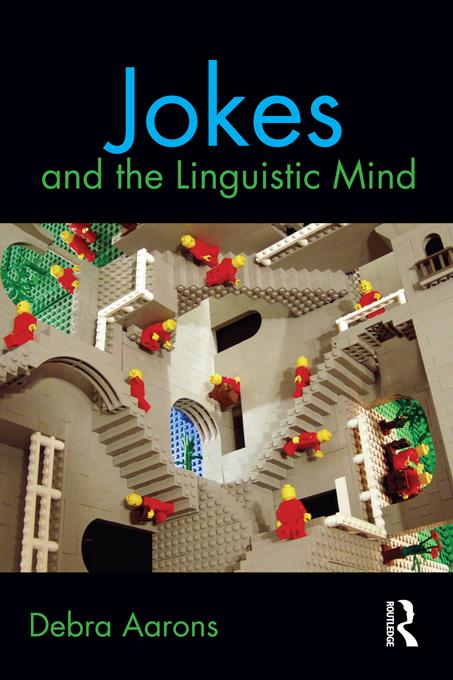
Through the lens of cognitive science, Jokes and the Linguistic Mind investigates jokes that play on some aspect of the structure and function of language. In so doing, Debra Aarons shows that these 'linguistic jokes' can evoke our tacit knowledge of the language we use. Analyzing hilarious examples from movies, plays and books, Jokes and the Linguistic Mind demonstrates that tacit linguistic knowledge must become conscious for linguistic jokes to be understood. The book examines jokes that exploit pragmatic, semantic, morphological, phonological and semantic features of language, as well as jokes that use more than one language and jokes that are about language itself. Additionally, the text explores the relationship between cryptic crossword clues and linguistic jokes in order to demonstrate the difference between tacit knowledge of language and rules of language use that are articulated for a particular purpose. With its use of jokes as data and its highly accessible explanations of complex linguistic concepts, this book is an engaging supplementary text for introductory courses in linguistics, psycholinguistics and cognitive science. It will also be of interest to scholars in translation studies, applied linguistics and philosophy of language.
Paga fácilmente con tarjeta, Klarna, Apple Pay o Google Pay. ¿No estás contento? Siempre tienes 14 días de garantía de devolución. Lee más en nuestros términos. Si tienes preguntas, escríbenos a hello@memmo.org.
Memmo hace que estudiar sea más fácil, estés donde estés. Aquí tienes tus libros de texto y herramientas de estudio inteligentes en un solo lugar: resúmenes, quizzes, podcasts y flashcards. Y también a Ted, tu compañero de estudio que responde a todo lo que te preguntes. Más de 50 000 estudiantes ya estudian aquí. Está hecho para que aprendas más rápido y te estreses menos.