
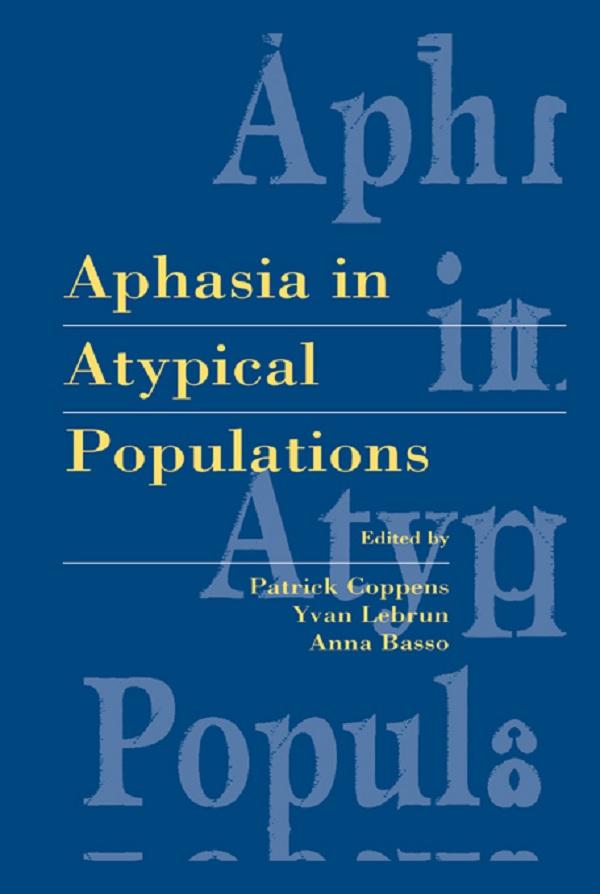
Theory and research in aphasiology have typically concentrated on a limited population--right-handed adult monolinguals whose language uses an alphabetic code. Bilingual individuals, ideographical code users, and children (among others) have been separated out. This book examines the available data from these "atypical" aphasics, asking whether what makes them different has a significant effect on language representation and processing in the brain. Each chapter reviews literature pertinent to a given population and explores whether (and potentially how) these populations differ from the "typical" aphasic population. The ultimate goal is to better understand whether the model of language used in aphasiology can be extended to these "atypical" populations, or conversely, whether significant differences merit the development of a new model.
Paga fácilmente con tarjeta, Klarna, Apple Pay o Google Pay. ¿No estás contento? Siempre tienes 14 días de garantía de devolución. Lee más en nuestros términos. Si tienes preguntas, escríbenos a hello@memmo.org.
Memmo hace que estudiar sea más fácil, estés donde estés. Aquí tienes tus libros de texto y herramientas de estudio inteligentes en un solo lugar: resúmenes, quizzes, podcasts y flashcards. Y también a Ted, tu compañero de estudio que responde a todo lo que te preguntes. Más de 50 000 estudiantes ya estudian aquí. Está hecho para que aprendas más rápido y te estreses menos.