
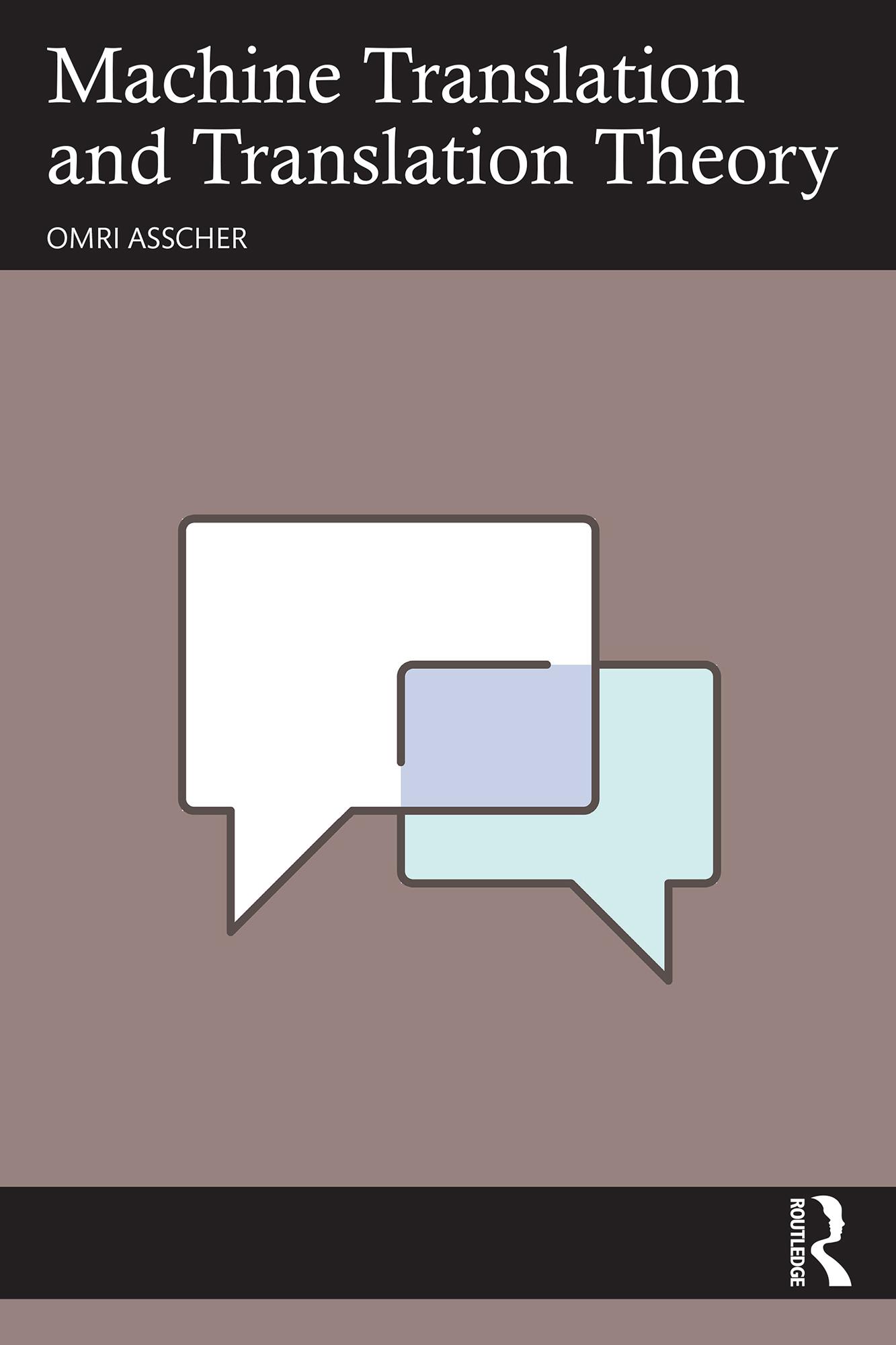
Pervasive and ubiquitous, machine translation systems have been transforming communication and understanding across languages and cultures on a historical scale. Focused on both Neural Machine Translation tools, such as Google Translate, and generative AI tools, such as ChatGPT, Omri Asscher pursues the juncture between machine translation and the diverse, often competing, frameworks of human translation theory. He shines a light on the subtleties of the intersection between the two: the places where machine translation corresponds well with the ideas that have been developed on human translation throughout the years, and the places where machine translation seems to challenge translation theory, and perhaps even require that we rethink some of its basic assumptions.
Machine Translation and Translation Theory reflects the need for an accessible, panoramic view on the subject. It offers a detailed discussion of various points of theoretical interest: definitions of translation; equivalence in translation; aesthetics of translation; translation ethics; translation as cross-cultural communication; and translation's historical agency.
This is key reading for researchers and students in translation studies, as well as scholars of AI-mediated communication, and computer scientists interested in how machine translation architectures correspond with the understanding of translation in the humanities.
Paga fácilmente con tarjeta, Klarna, Apple Pay o Google Pay. ¿No estás contento? Siempre tienes 14 días de garantía de devolución. Lee más en nuestros términos. Si tienes preguntas, escríbenos a hello@memmo.org.
Memmo hace que estudiar sea más fácil, estés donde estés. Aquí tienes tus libros de texto y herramientas de estudio inteligentes en un solo lugar: resúmenes, quizzes, podcasts y flashcards. Y también a Ted, tu compañero de estudio que responde a todo lo que te preguntes. Más de 50 000 estudiantes ya estudian aquí. Está hecho para que aprendas más rápido y te estreses menos.