
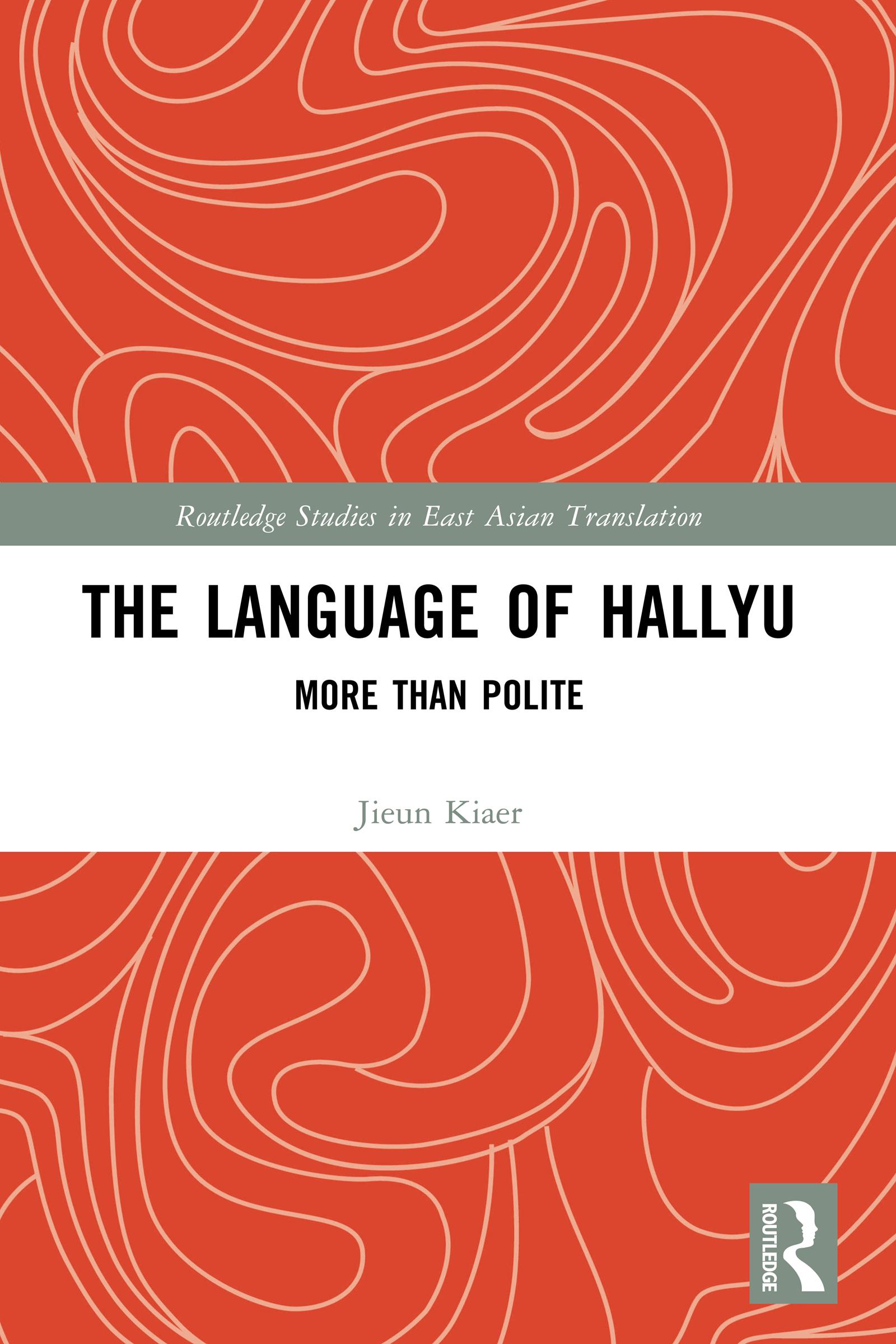
The Language of Hallyu will re-examine the language of the Korean Wave by looking at popular K-content. In doing so, it will expose the meanings that get lost in translation, hidden under subtitles.
Over the past decade, hallyu (the Korean wave) has exploded in popularity around the globe. K-films, K-drama, and K-pop were once small subcultures, known mostly by Korea’s East and Southeast Asian neighbours and Korean diaspora. Now, K-content has entered the international mainstream. Consequently, interest in Korean language has grown, while interest in language learning in general has decreased. Many textbooks emphasise that Korean is a ‘polite’ language, but this book will highlight that this is not the case.
The Language of Hallyu examines popular K-content, including Parasite (2019), Minari (2020), Squid Game (2021), and Pachinko (2022). The author introduces language stylistics to explain how Koreans style their language to suit every occasion. She argues that they do this via a process of visual scanning and social tuning, whereby visual clues are assessed in tangent with an individual’s sociocultural awareness. The author concludes by highlighting the danger of the jondaemal/banmal (polite/casual speech) divide, demonstrating that Korean language is so much more than polite.
This book will be of interest to students and researchers in Korean language and culture, particularly those interested in linguistics and pragmatics.
Paga fácilmente con tarjeta, Klarna, Apple Pay o Google Pay. ¿No estás contento? Siempre tienes 14 días de garantía de devolución. Lee más en nuestros términos. Si tienes preguntas, escríbenos a hello@memmo.org.
Memmo hace que estudiar sea más fácil, estés donde estés. Aquí tienes tus libros de texto y herramientas de estudio inteligentes en un solo lugar: resúmenes, quizzes, podcasts y flashcards. Y también a Ted, tu compañero de estudio que responde a todo lo que te preguntes. Más de 50 000 estudiantes ya estudian aquí. Está hecho para que aprendas más rápido y te estreses menos.