
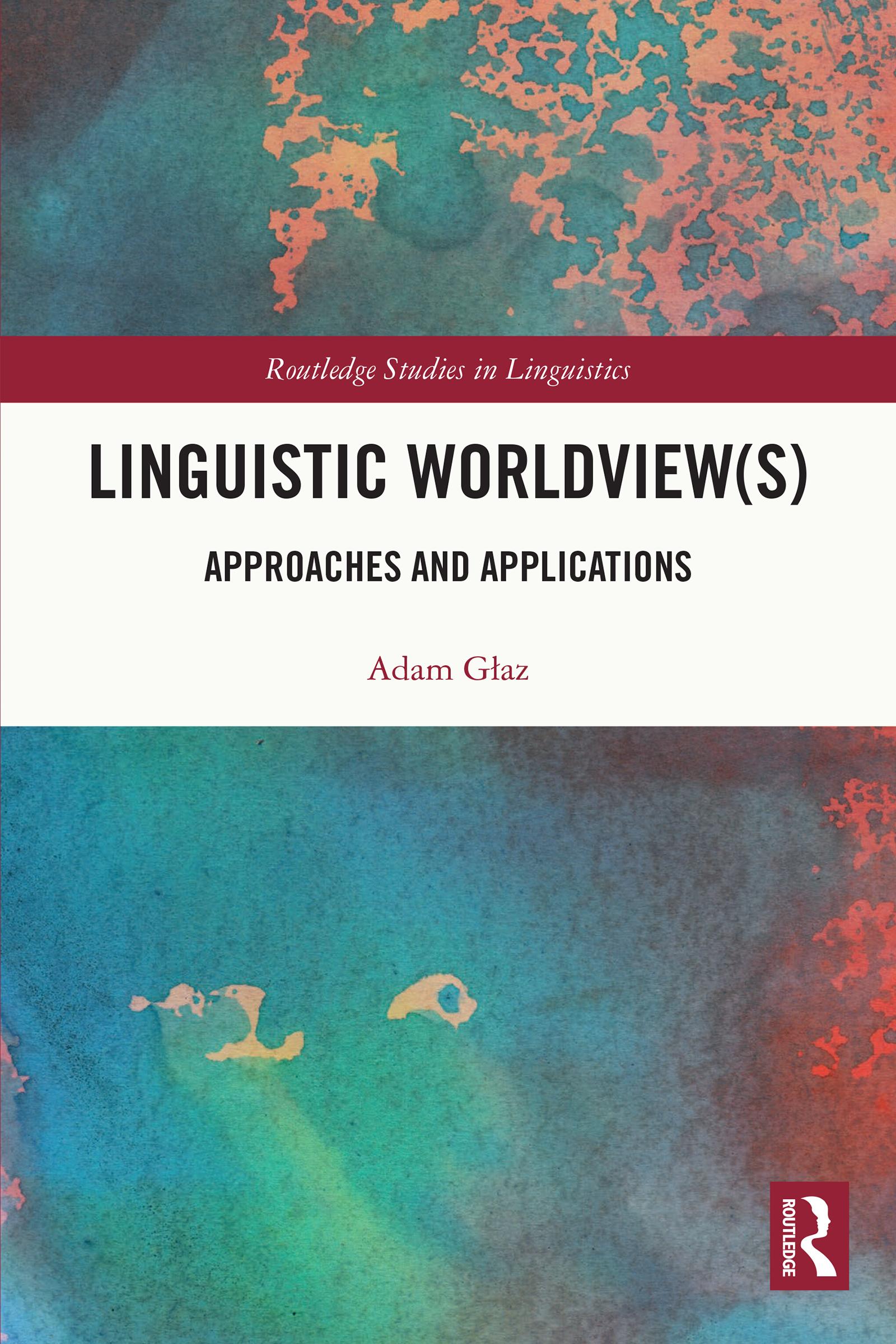
This book explores the concept of linguistic worldview, which is underpinned by the underlying idea that languages, in their lexicogrammatical structures and patterns of usage, encode interpretations of reality that symbolize, shape, and construct speakers’ cultural experience.
The volume traces the development of the linguistic worldview conception from its origins in ancient Greece to 20th-century linguistic relativity, Western ethnosemantics, parallel movements in eastern Europe, and contemporary inquiry into languacultures. It outlines the important theoretical issues, surveys the major approaches, and identifies areas of both convergence and discrepancy between them. By proposing three sample analyses, the book highlights the relevant questions addressed in different but compatible models, as well as identifies possible avenues of their further development. Finally, it considers several domains of potential interest to the linguistic worldview agenda. Because inquiry into linguistic worldviews concerns the sphere of the symbolic and the cultural, it touches upon the very essence of human lives.
This book will be of interest to scholars working in cultural linguistics, ethnolinguistics, linguistic anthropology, comparative semantics, and translation studies.
Paga fácilmente con tarjeta, Klarna, Apple Pay o Google Pay. ¿No estás contento? Siempre tienes 14 días de garantía de devolución. Lee más en nuestros términos. Si tienes preguntas, escríbenos a hello@memmo.org.
Memmo hace que estudiar sea más fácil, estés donde estés. Aquí tienes tus libros de texto y herramientas de estudio inteligentes en un solo lugar: resúmenes, quizzes, podcasts y flashcards. Y también a Ted, tu compañero de estudio que responde a todo lo que te preguntes. Más de 50 000 estudiantes ya estudian aquí. Está hecho para que aprendas más rápido y te estreses menos.