
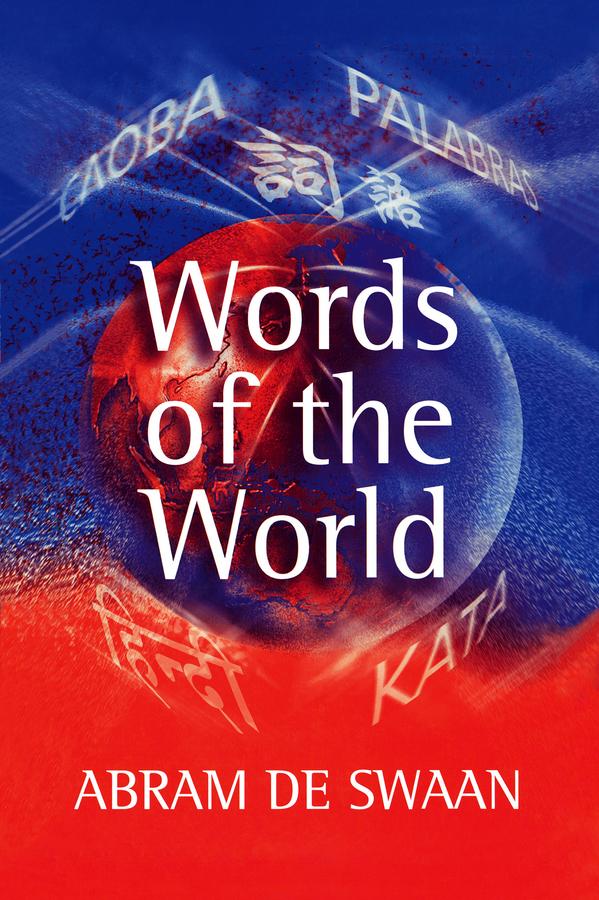
The human species is divided into more than five thousand language groups that do not understand each other. And yet these groups constitute one coherent world language system, connected by multilingual speakers in a surprisingly powerful way. The chances of a language thriving depend on its position in the system. There are thousands of small, peripheral languages, each connected to one of a hundred central languages. The entire system is held together by one global language: English. A language is a ‘hypercollective' good: the more speakers it has, the higher its communication value for each one of them. Thus, when people think that a language is gaining new speakers, that in itself is a reason for them to want to learn it too. That is why, in an age of globalization, only a few languages remain for transnational communication and these often prevail even in national societies.
This important book discusses a number of specific constellations in detail: India, Indonesia, Sub-Saharan Africa, South Africa and the European Union. De Swaan concludes by providing a sober but illuminating view of language policy in multilingual societies. This book will be essential reading for those studying sociology, communication studies and linguistics.
Paga fácilmente con tarjeta, Klarna, Apple Pay o Google Pay. ¿No estás contento? Siempre tienes 14 días de garantía de devolución. Lee más en nuestros términos. Si tienes preguntas, escríbenos a hello@memmo.org.
Memmo hace que estudiar sea más fácil, estés donde estés. Aquí tienes tus libros de texto y herramientas de estudio inteligentes en un solo lugar: resúmenes, quizzes, podcasts y flashcards. Y también a Ted, tu compañero de estudio que responde a todo lo que te preguntes. Más de 50 000 estudiantes ya estudian aquí. Está hecho para que aprendas más rápido y te estreses menos.