
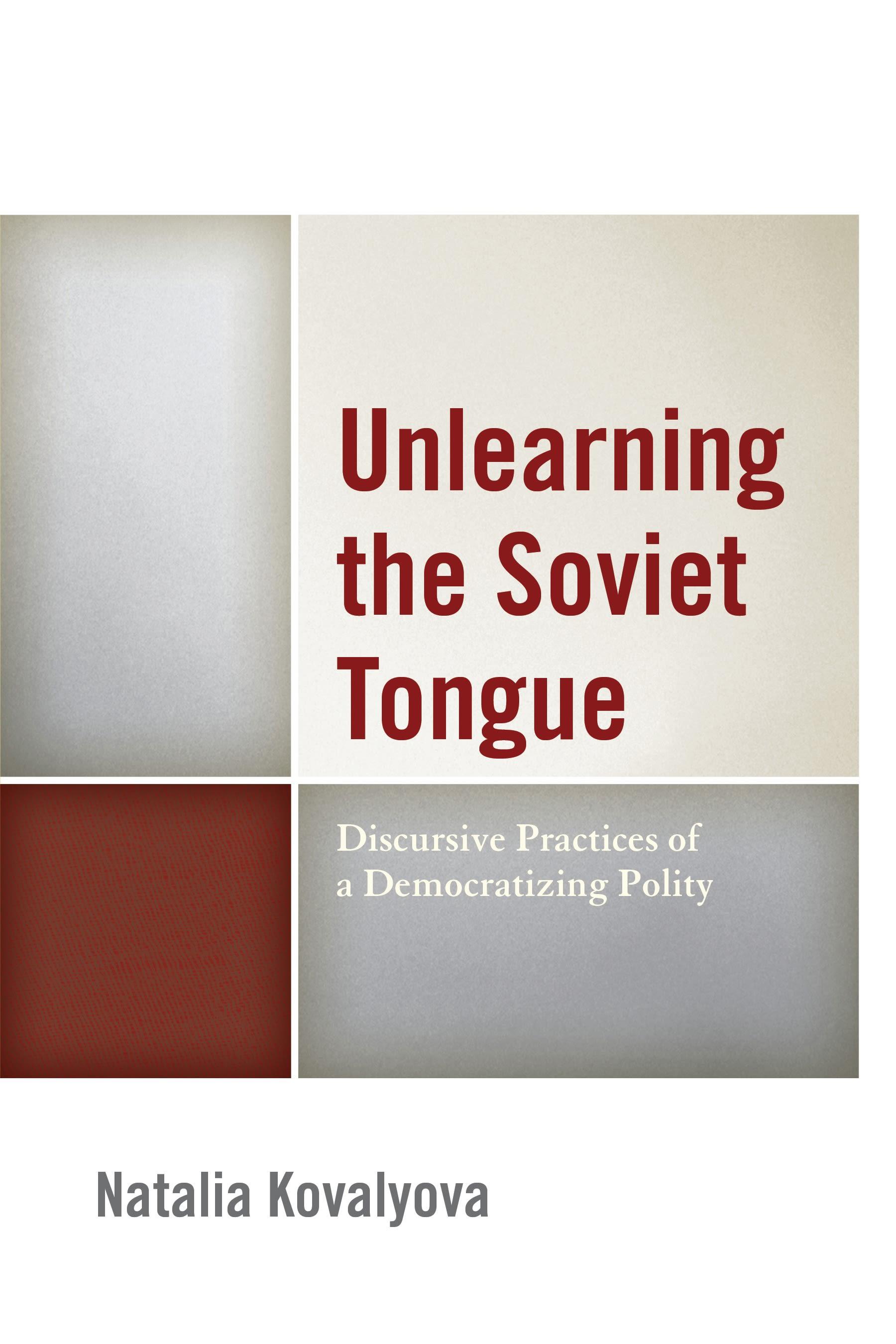
How do countries democratize? What route does the way out of totalitarianism take? Students of Russian politics have pursued answers to these questions by surveying Russians on a variety of attitudes, beliefs, norms, and practices. This bookattends to political discourse to demonstrate how it creates and constraints political opportunities. Itexaminesan important period of Russian political history: from Boris Yeltsin’s second presidential election in 1996, when democracy was pronounced victorious, through its gradual slide toward authoritarian practices during Vladimir Putin’s initial two terms in office, and to the election of his protégé Dmitry Medvedev in 2008. This analysis challenges the assertions ofRussian democracy as doomed by the governing rationalities of the elites. Likewise, it refutesthe notion of Russians as an apathetic nation in chronic need of a “strong hand.” It argues that if we are to understand how Russia lives, how it endures, and how it can change, we need to pay attention to the discourses that shape Russian political identities and the nation’s political future.
Paga fácilmente con tarjeta, Klarna, Apple Pay o Google Pay. ¿No estás contento? Siempre tienes 14 días de garantía de devolución. Lee más en nuestros términos. Si tienes preguntas, escríbenos a hello@memmo.org.
Memmo hace que estudiar sea más fácil, estés donde estés. Aquí tienes tus libros de texto y herramientas de estudio inteligentes en un solo lugar: resúmenes, quizzes, podcasts y flashcards. Y también a Ted, tu compañero de estudio que responde a todo lo que te preguntes. Más de 50 000 estudiantes ya estudian aquí. Está hecho para que aprendas más rápido y te estreses menos.