
"What makes the book so encompassing, informative, and relevant is that Haeger has avoided focusing on viticulture or enology or economy in isolation, and has instead looked at all of them in their historic and contemporary scientific and socio-cultural context. . . . Not everyone loves Riesling, but those of us who do will find our passion articulately explained and expressed in Haeger’s book."—Anne Krebiehl, MW, The World of Fine Wine "If you haven't been sold on dry riesling, this is required reading; if you're already a fan, it's an essential reference to add to your shelf."—Wine & Spirits
Riesling is the world’s seventh most-planted white wine grape variety and among the fastest growing over the past twenty years. It is a personal favorite of many sommeliers, chefs, and other food and wine professionals for its appealing aromatics, finesse, and minerality; for its uncanny ability to reflect terroir; and for its impressive versatility with cuisines of all types. It is stylistically paradoxical, however. Now usually made dry in most of Europe and Australia, and assumed dry by most German consumers, Riesling is made mostly sweet or lightly sweet in North America and is believed sweet in the American marketplace irrespective of origin. Riesling is thus consequently—but mistakenly—shunned by the mainstream of American wine drinkers, whose tastes and habits have been overwhelmingly dry for two generations.
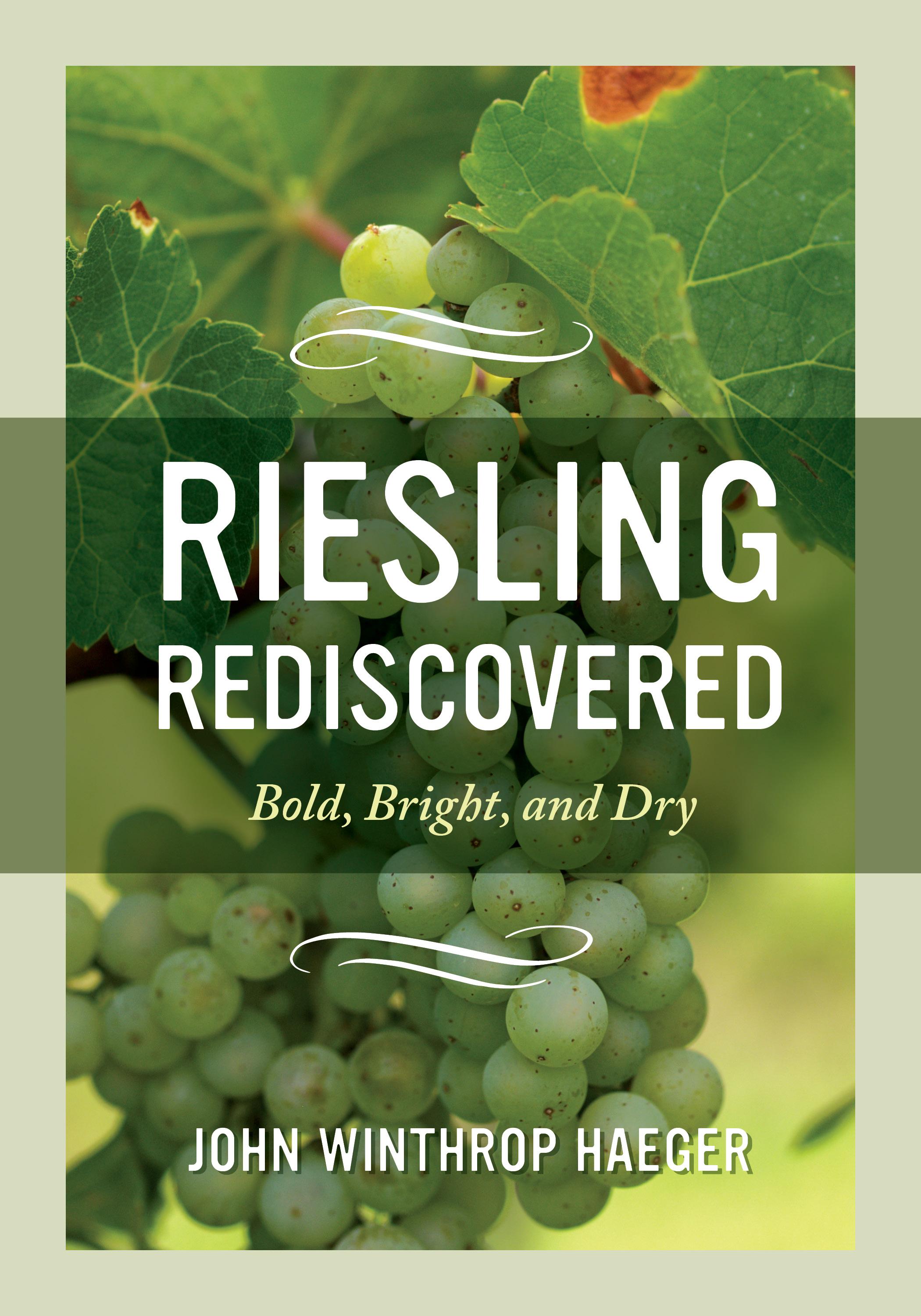
Riesling Rediscovered looks at the present state of dry Riesling across the Northern Hemisphere: where it is grown and made, what models and objectives vintners have in mind, and what parameters of grape growing and winemaking are essential when the goal is a delicious dry wine. John Winthrop Haeger explores the history of Riesling to illuminate how this variety emerged from a crowded field of grape varieties grown widely across northern Europe. Riesling Rediscovered is a comprehensive, current, and accessible overview of what many consider to be the world’s finest and most versatile white wine.
Riesling is the world’s seventh most-planted white wine grape variety and among the fastest growing over the past twenty years. It is a personal favorite of many sommeliers, chefs, and other food and wine professionals for its appealing aromatics, finesse, and minerality; for its uncanny ability to reflect terroir; and for its impressive versatility with cuisines of all types. It is stylistically paradoxical, however. Now usually made dry in most of Europe and Australia, and assumed dry by most German consumers, Riesling is made mostly sweet or lightly sweet in North America and is believed sweet in the American marketplace irrespective of origin. Riesling is thus consequently—but mistakenly—shunned by the mainstream of American wine drinkers, whose tastes and habits have been overwhelmingly dry for two generations.
Riesling Rediscovered looks at the present state of dry Riesling across the Northern Hemisphere: where it is grown and made, what models and objectives vintners have in mind, and what parameters of grape growing and winemaking are essential when the goal is a delicious dry wine. John Winthrop Haeger explores the history of Riesling to illuminate how this variety emerged from a crowded field of grape varieties grown widely across northern Europe. Riesling Rediscovered is a comprehensive, current, and accessible overview of what many consider to be the world’s finest and most versatile white wine.
Paga fácilmente con tarjeta, Klarna, Apple Pay o Google Pay. ¿No estás contento? Siempre tienes 14 días de garantía de devolución. Lee más en nuestros términos. Si tienes preguntas, escríbenos a hello@memmo.org.
Memmo hace que estudiar sea más fácil, estés donde estés. Aquí tienes tus libros de texto y herramientas de estudio inteligentes en un solo lugar: resúmenes, quizzes, podcasts y flashcards. Y también a Ted, tu compañero de estudio que responde a todo lo que te preguntes. Más de 50 000 estudiantes ya estudian aquí. Está hecho para que aprendas más rápido y te estreses menos.
También te podría gustar
Comprar el libro0