
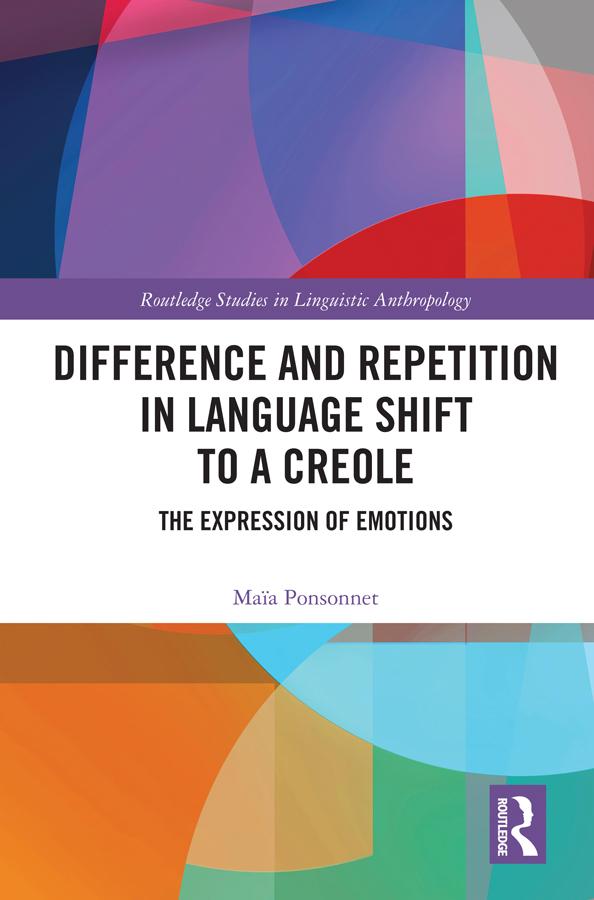
In today’s global commerce and communication, linguistic diversity is in steady decline across the world as speakers of smaller languages adopt dominant forms. While this phenomenon, known as ‘language shift’, is usually regarded as a loss, this book adopts a different angle and addresses the following questions:
- What difference does using a new language make to the way speakers communicate in everyday life?
- Can the grammatical and lexical architectures of individual languages influence what speakers express?
- In other words, to what extent does adopting a new language alter speakers’ day-to-day communication practices, and in turn, perhaps, their social life and world views?
To answer these questions, this book studies the expression of emotions in two languages on each side of a shift: Kriol, an English-based creole spoken in northern Australia, and Dalabon (Gunwinyguan, non-Pama-Nyungan), an Australian Aboriginal language that is being replaced by Kriol.
This volume is the first to explore the influence of the formal properties of language on the expression of emotions, as well as the first description of the linguistic encoding of emotions in a creole language. The cross-disciplinary approach will appeal to linguists, psychologists, anthropologists and other social scientists.
Paga fácilmente con tarjeta, Klarna, Apple Pay o Google Pay. ¿No estás contento? Siempre tienes 14 días de garantía de devolución. Lee más en nuestros términos. Si tienes preguntas, escríbenos a hello@memmo.org.
Memmo hace que estudiar sea más fácil, estés donde estés. Aquí tienes tus libros de texto y herramientas de estudio inteligentes en un solo lugar: resúmenes, quizzes, podcasts y flashcards. Y también a Ted, tu compañero de estudio que responde a todo lo que te preguntes. Más de 50 000 estudiantes ya estudian aquí. Está hecho para que aprendas más rápido y te estreses menos.