
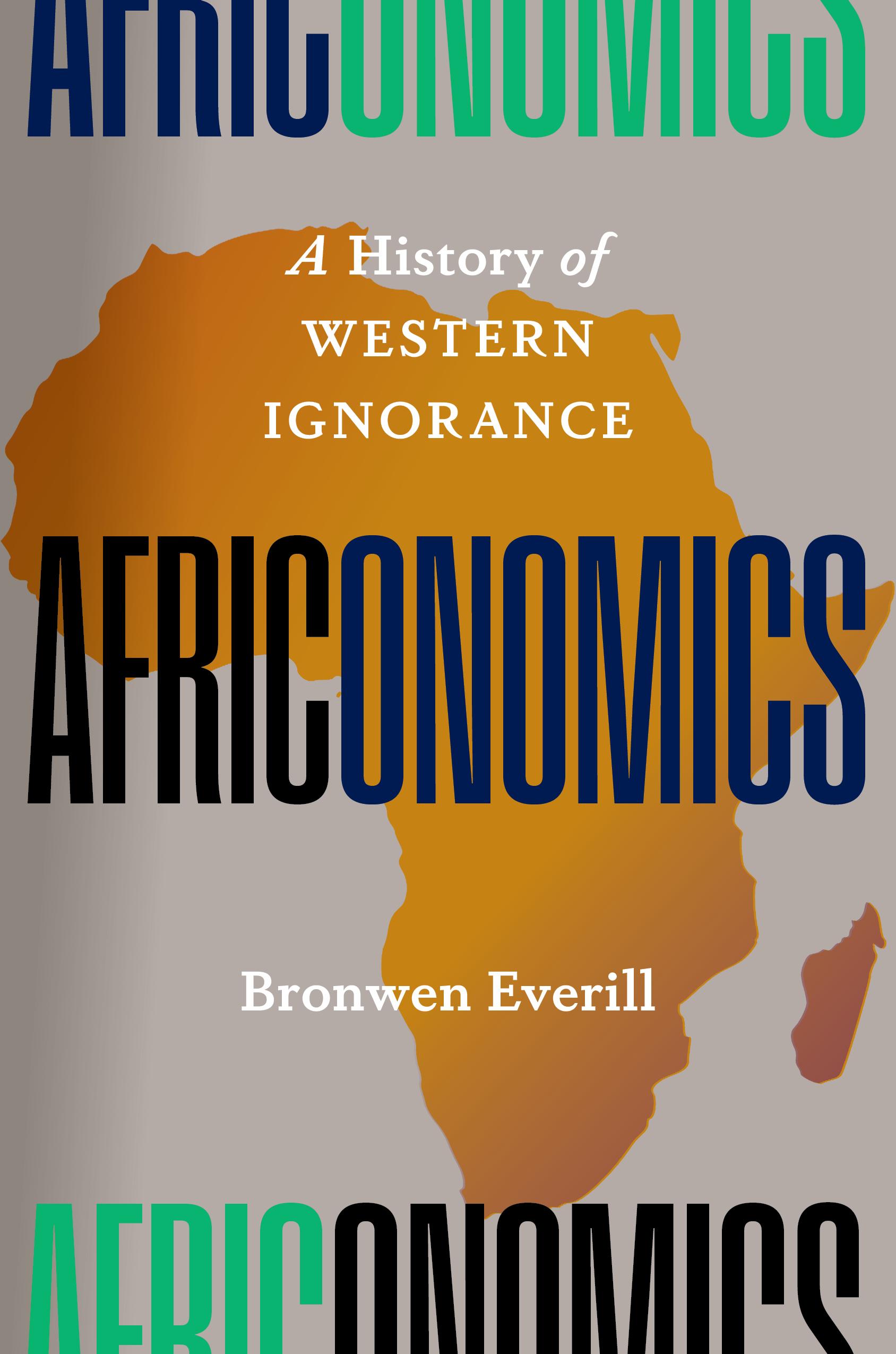
For centuries, Westerners have tried to “fix” African economies. From the abolition of slavery onward, missionaries, philanthropists, development economists, and NGOs have arrived on the continent, full of good intentions and bad ideas. Their experiments have invariably gone awry, to the great surprise of all involved.
Historian Bronwen Everill argues that these interventions fail, and frequently cause harm, because they start from a misguided premise: that African economies just need to be more like the West. Ignoring Africa’s own traditions of economic thought, Americans and Europeans assumed a set of universal economic laws that they thought could be applied anywhere. They enforced specifically Western ideas about growth, wealth, debt, unemployment, inflation, women’s work and more, and used Western metrics to find African countries wanting.
The West does not know better than African nations how an economy should be run. By laying bare the myths and realities of our tangled economic history, Africonomics moves from Western ignorance to African knowledge.
Pay easily by card, Klarna, Apple Pay or Google Pay. Not happy? You always have a 14-day money-back guarantee. Read more in our terms. If you have any questions, email us at hello@memmo.org.
Memmo makes studying easier – wherever you are in the world. We bring your course books and smart study tools together in one place: summaries, quizzes, podcasts and flashcards. Plus Ted, your study buddy who answers anything you wonder. Over 50,000 students already study here – built to help you learn faster and stress less.