
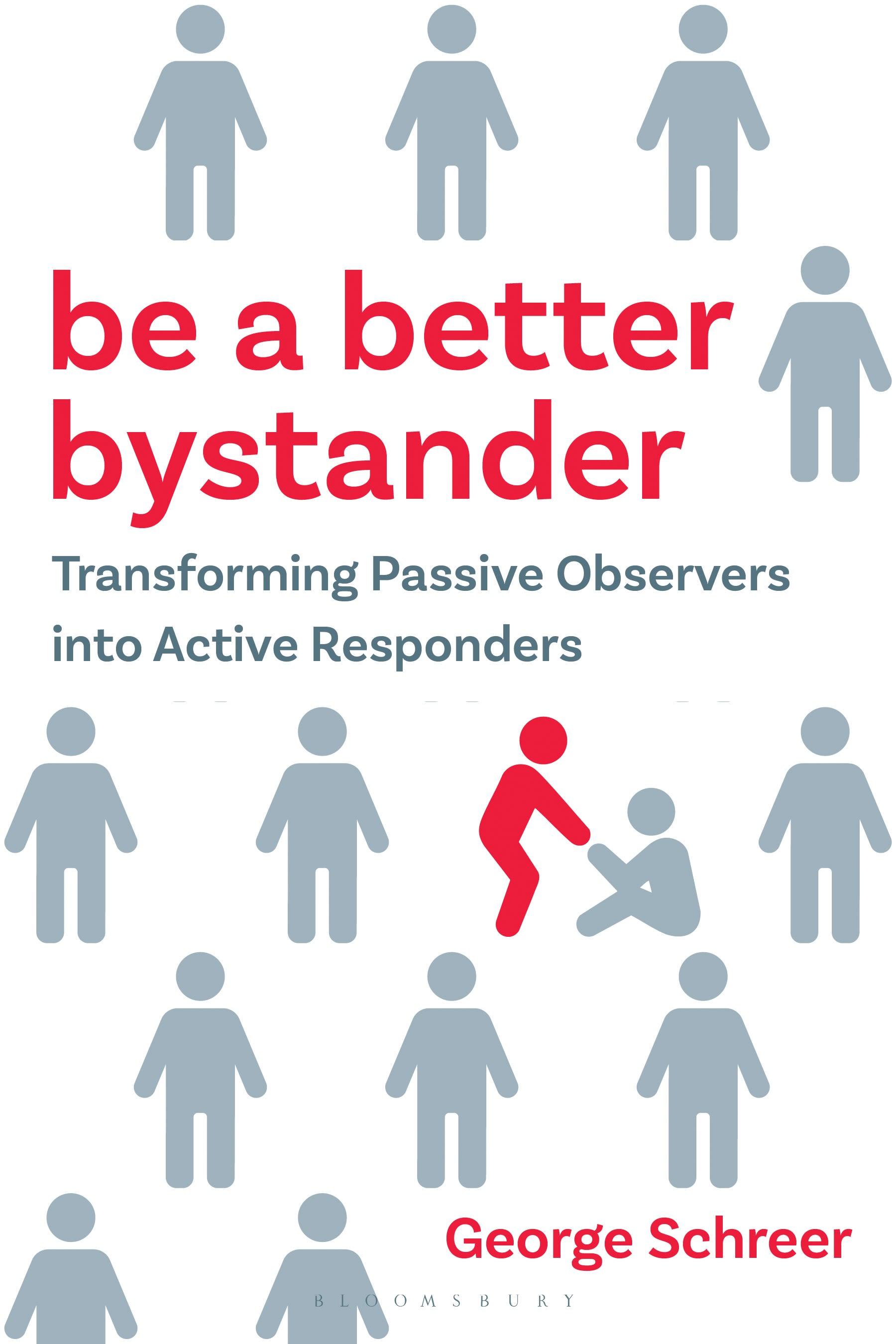
The nature of an emergency is complex; after all, emergencies “emerge” suddenly without warning and typically require immediate attention. Bystanders are often the first line of defense in these situations. Unfortunately, in many situations where help is needed such as health-related emergencies, bullying, sexual misconduct, and bias, the default is to not get involved. The goal of this book is to identify the many obstacles that prevent people from taking action, and then provide evidence-based helping strategies to transform passive bystanders into pro-active responders.
This timely and significant book, Be a Better Bystander: Transforming Passive Observers Into Active Responders, provides a toolbox of practical strategies for academic institutions, residence life personnel, diversity/education/inclusion educators, public health education advocates, and community activists. This book would also make a great supplemental text for courses in social psychology, health psychology, women's studies, and bias-related courses.
This timely and significant book, Be a Better Bystander: Transforming Passive Observers Into Active Responders, provides a toolbox of practical strategies for academic institutions, residence life personnel, diversity/education/inclusion educators, public health education advocates, and community activists. This book would also make a great supplemental text for courses in social psychology, health psychology, women's studies, and bias-related courses.
Pay easily by card, Klarna, Apple Pay or Google Pay. Not happy? You always have a 14-day money-back guarantee. Read more in our terms. If you have any questions, email us at hello@memmo.org.
Memmo makes studying easier – wherever you are in the world. We bring your course books and smart study tools together in one place: summaries, quizzes, podcasts and flashcards. Plus Ted, your study buddy who answers anything you wonder. Over 50,000 students already study here – built to help you learn faster and stress less.