
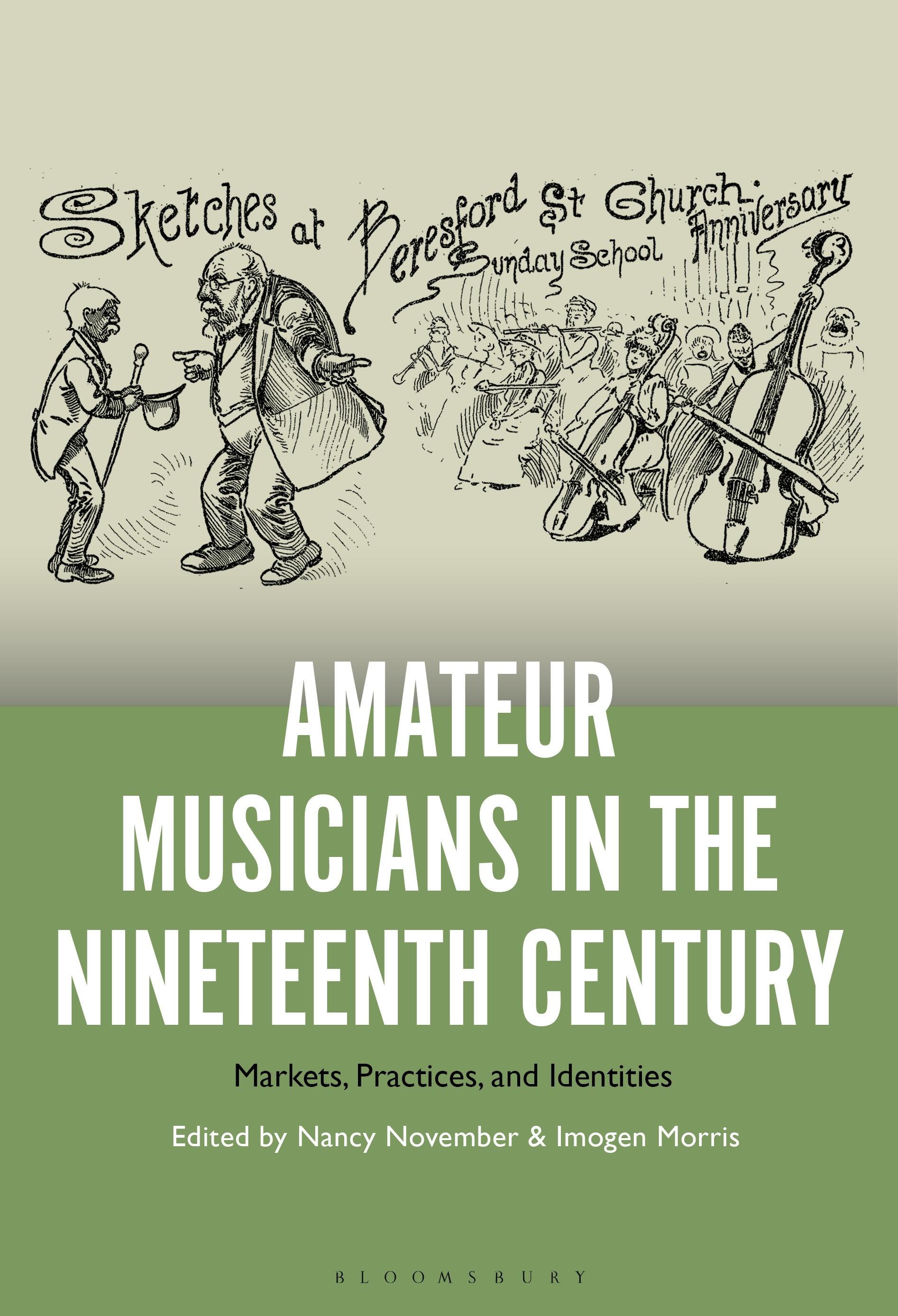
By carefully piecing together musical and documentary evidence, Amateur Musicians in the Nineteenth Century reveals the musicians that have so far been largely invisible in histories of music.
Musical amateurs occupy an indistinct, low-status, peripheral place in musical life today. Often defined by what they are not and compared unfavorably to professionals, amateurs are found to lack expertise, qualifications, and status. This book critiques these exclusionary ideologies, interrogating the historical amateur as a clear identity, role, and status within musical life.
The focus of this edited collection spans across Europe and out to New Zealand and Australia, covering a wide range of repertoire and genres and providing a comprehensive survey of amateur music-making and its significance in the broader musical culture of the nineteenth century. Rather than being opposed to professionals, amateurs were considered to overlap with them in terms of skill. Far from learning by rote a narrow selection of canonical studies and works, such amateurs cross-trained on various instruments, freely adapted popular tunes to their own purposes and skills, improvised on scores, and composed afresh. In not just an exploration of the past, but of the future, Amateur Musicians in the Nineteenth Century offers insights that are relevant today, particularly to the project of raising the status of amateurism in the best sense.
Musical amateurs occupy an indistinct, low-status, peripheral place in musical life today. Often defined by what they are not and compared unfavorably to professionals, amateurs are found to lack expertise, qualifications, and status. This book critiques these exclusionary ideologies, interrogating the historical amateur as a clear identity, role, and status within musical life.
The focus of this edited collection spans across Europe and out to New Zealand and Australia, covering a wide range of repertoire and genres and providing a comprehensive survey of amateur music-making and its significance in the broader musical culture of the nineteenth century. Rather than being opposed to professionals, amateurs were considered to overlap with them in terms of skill. Far from learning by rote a narrow selection of canonical studies and works, such amateurs cross-trained on various instruments, freely adapted popular tunes to their own purposes and skills, improvised on scores, and composed afresh. In not just an exploration of the past, but of the future, Amateur Musicians in the Nineteenth Century offers insights that are relevant today, particularly to the project of raising the status of amateurism in the best sense.
Pay easily by card, Klarna, Apple Pay or Google Pay. Not happy? You always have a 14-day money-back guarantee. Read more in our terms. If you have any questions, email us at hello@memmo.org.
Memmo makes studying easier – wherever you are in the world. We bring your course books and smart study tools together in one place: summaries, quizzes, podcasts and flashcards. Plus Ted, your study buddy who answers anything you wonder. Over 50,000 students already study here – built to help you learn faster and stress less.