
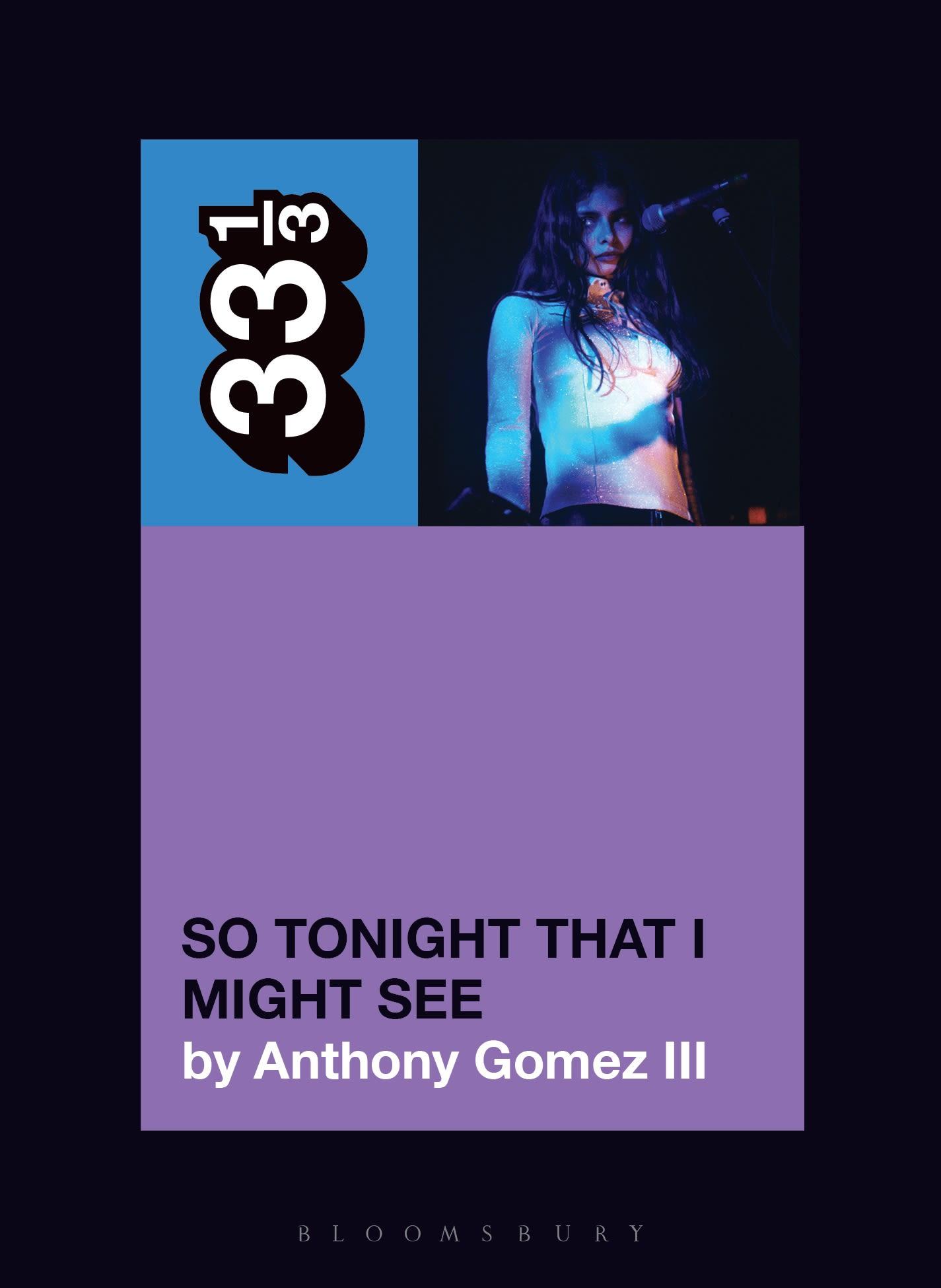
Anthony Gomez III explores how out of the commercial failure of the 1980s Paisley Underground genre, a Los Angeles that suffered one of the highest crime rates in the country, the rise of Chicano/a art in the public eye, and record label disputes, singer Hope Sandoval and guitarist David Roback form the influential dream pop band Mazzy Star.
Mazzy Star's So Tonight That I Might See was a slow, reluctant success. Pushed by Capitol Records as an album for teenagers to make out during, as a record about girlhood, and as music for those uninterested in the era's male aggression, the album's reputation has been plagued by these forced connections ever since.
Not that the band's Hope Sandoval or David Roback ever publicly cared to dispel these notions. They preferred to disdain publicity and offer their art without introduction. But there is far more to the Mazzy Star story than media-reluctant musicians and corporate-generated narratives.
By tracing the hurried development of their second record, this book revisits how imposed mythologies have contributed to the marginalization of Hope Sandoval's Mexican American background, and the band's place in the larger tradition of Chicano music. It combs through the histories of musicians involved in Sandoval and Roback's prior projects to highlight how Mazzy Star formed partly in response to the rising violence and gentrification of their hometown Los Angeles. Along the way, it ascertains the band's interest in the American Southwest, 1960s psychedelia, and a surrealism which conjures the strange, dark shadows of everyday life in the US.
Mazzy Star's So Tonight That I Might See was a slow, reluctant success. Pushed by Capitol Records as an album for teenagers to make out during, as a record about girlhood, and as music for those uninterested in the era's male aggression, the album's reputation has been plagued by these forced connections ever since.
Not that the band's Hope Sandoval or David Roback ever publicly cared to dispel these notions. They preferred to disdain publicity and offer their art without introduction. But there is far more to the Mazzy Star story than media-reluctant musicians and corporate-generated narratives.
By tracing the hurried development of their second record, this book revisits how imposed mythologies have contributed to the marginalization of Hope Sandoval's Mexican American background, and the band's place in the larger tradition of Chicano music. It combs through the histories of musicians involved in Sandoval and Roback's prior projects to highlight how Mazzy Star formed partly in response to the rising violence and gentrification of their hometown Los Angeles. Along the way, it ascertains the band's interest in the American Southwest, 1960s psychedelia, and a surrealism which conjures the strange, dark shadows of everyday life in the US.
Pay easily by card, Klarna, Apple Pay or Google Pay. Not happy? You always have a 14-day money-back guarantee. Read more in our terms. If you have any questions, email us at hello@memmo.org.
Memmo makes studying easier – wherever you are in the world. We bring your course books and smart study tools together in one place: summaries, quizzes, podcasts and flashcards. Plus Ted, your study buddy who answers anything you wonder. Over 50,000 students already study here – built to help you learn faster and stress less.