
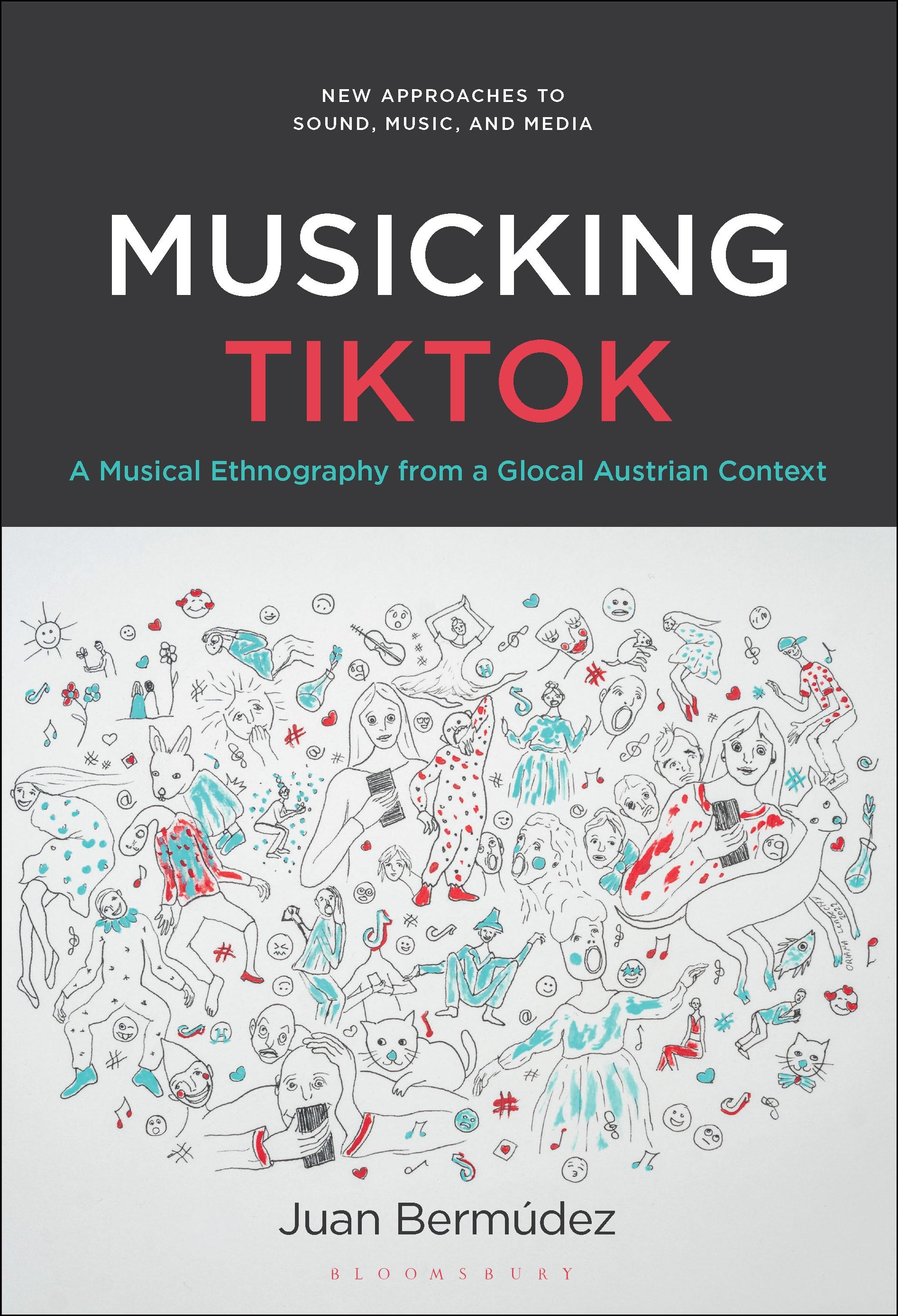
This ethnographic work about TikTok's musicking in a glocal (Austrian) context complements and build upon ethnomusicological assumptions, theories, and methods for the study of musical practices in digital spaces.
An overview of elements that make up TikTok's interface as well as the technical-performative possibilities that it allows, this book introduces a general categorization of existing performance types and how TikTokers appropriate the platform to make their music. It illustrates how some TikTokers became aware of and began using TikTok, and it reviews some of the different strategies TikTokers apply to learn how to use the application and successfully develop their performances. Bermúdez explores how performers move from being “ordinary users” to becoming TikTokers, developing and performing an identity he calls TikTok Persona. Moreover, he discusses how some TikTok practices can and have occurred across multiple, interconnected platforms, and he examines how localities are articulated and negotiated in these contexts.
Bermúdez argues for an understanding of musicking as a multimedia practice that different actors create and experience individually in everyday synchronous and asynchronous, physical and digital situations. The so-called TikTokers create a sense of identity and community through their performances. This study suggests that a digital performance can be, aside from a representation of reality, an integral part of it, serving as a fundamental space for constructing and performing identity.
An overview of elements that make up TikTok's interface as well as the technical-performative possibilities that it allows, this book introduces a general categorization of existing performance types and how TikTokers appropriate the platform to make their music. It illustrates how some TikTokers became aware of and began using TikTok, and it reviews some of the different strategies TikTokers apply to learn how to use the application and successfully develop their performances. Bermúdez explores how performers move from being “ordinary users” to becoming TikTokers, developing and performing an identity he calls TikTok Persona. Moreover, he discusses how some TikTok practices can and have occurred across multiple, interconnected platforms, and he examines how localities are articulated and negotiated in these contexts.
Bermúdez argues for an understanding of musicking as a multimedia practice that different actors create and experience individually in everyday synchronous and asynchronous, physical and digital situations. The so-called TikTokers create a sense of identity and community through their performances. This study suggests that a digital performance can be, aside from a representation of reality, an integral part of it, serving as a fundamental space for constructing and performing identity.
Pay easily by card, Klarna, Apple Pay or Google Pay. Not happy? You always have a 14-day money-back guarantee. Read more in our terms. If you have any questions, email us at hello@memmo.org.
Memmo makes studying easier – wherever you are in the world. We bring your course books and smart study tools together in one place: summaries, quizzes, podcasts and flashcards. Plus Ted, your study buddy who answers anything you wonder. Over 50,000 students already study here – built to help you learn faster and stress less.