
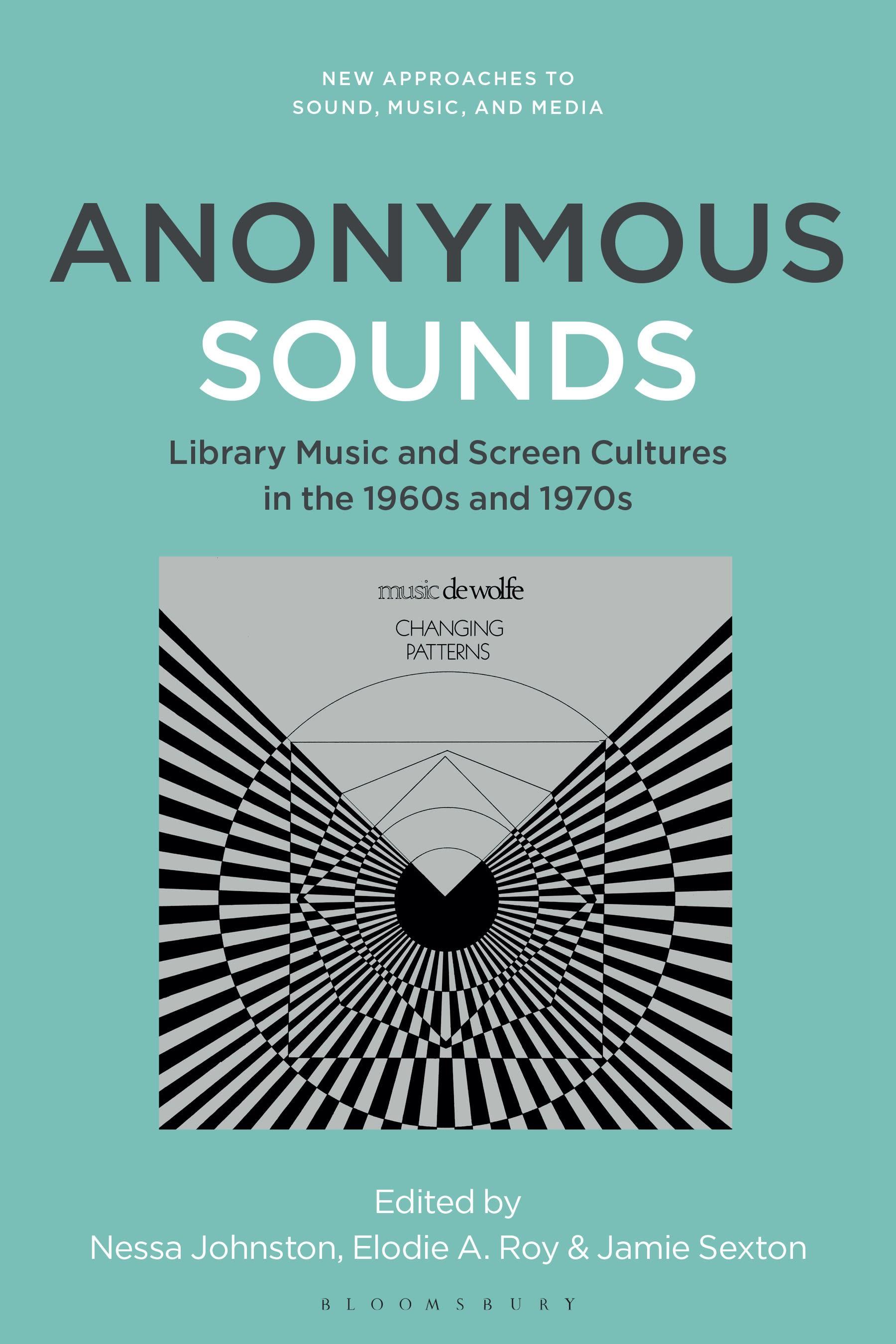
This cross-disciplinary collection provides the first comprehensive study of library music practices in the 1960s and 1970s.
Library music was inexpensive, off-the-shelf music available to license for a small fee. It was widely used in television and film as a cheaper alternative to commissioned soundtracks. The book pays attention to the different individuals, groups, organisations and institutions involved in making library music, as well as to its transnational sites of production (from continental recording studios to regional cutting rooms). It addresses questions of distributed creativity, collective authorship, and agency.
Combining empirical and theoretical research, the book unveils the modus operandi of a highly secretive yet enduringly significant cultural industry. By drawing attention to the cultural ubiquity and intersectionality of library music, the collection also shifts emphasis from individual film and TV composers to the invisible community of music publishers, writers, and session musicians. It argues that the latter were collectively responsible for fashioning much of the sonic identity of 1960s and 1970s film and television. As well as providing a nuanced understanding of historical library music cultures, the collection shows how they continue to inform contemporary audiovisual cultures.
Library music was inexpensive, off-the-shelf music available to license for a small fee. It was widely used in television and film as a cheaper alternative to commissioned soundtracks. The book pays attention to the different individuals, groups, organisations and institutions involved in making library music, as well as to its transnational sites of production (from continental recording studios to regional cutting rooms). It addresses questions of distributed creativity, collective authorship, and agency.
Combining empirical and theoretical research, the book unveils the modus operandi of a highly secretive yet enduringly significant cultural industry. By drawing attention to the cultural ubiquity and intersectionality of library music, the collection also shifts emphasis from individual film and TV composers to the invisible community of music publishers, writers, and session musicians. It argues that the latter were collectively responsible for fashioning much of the sonic identity of 1960s and 1970s film and television. As well as providing a nuanced understanding of historical library music cultures, the collection shows how they continue to inform contemporary audiovisual cultures.
Pay easily by card, Klarna, Apple Pay or Google Pay. Not happy? You always have a 14-day money-back guarantee. Read more in our terms. If you have any questions, email us at hello@memmo.org.
Memmo makes studying easier – wherever you are in the world. We bring your course books and smart study tools together in one place: summaries, quizzes, podcasts and flashcards. Plus Ted, your study buddy who answers anything you wonder. Over 50,000 students already study here – built to help you learn faster and stress less.