
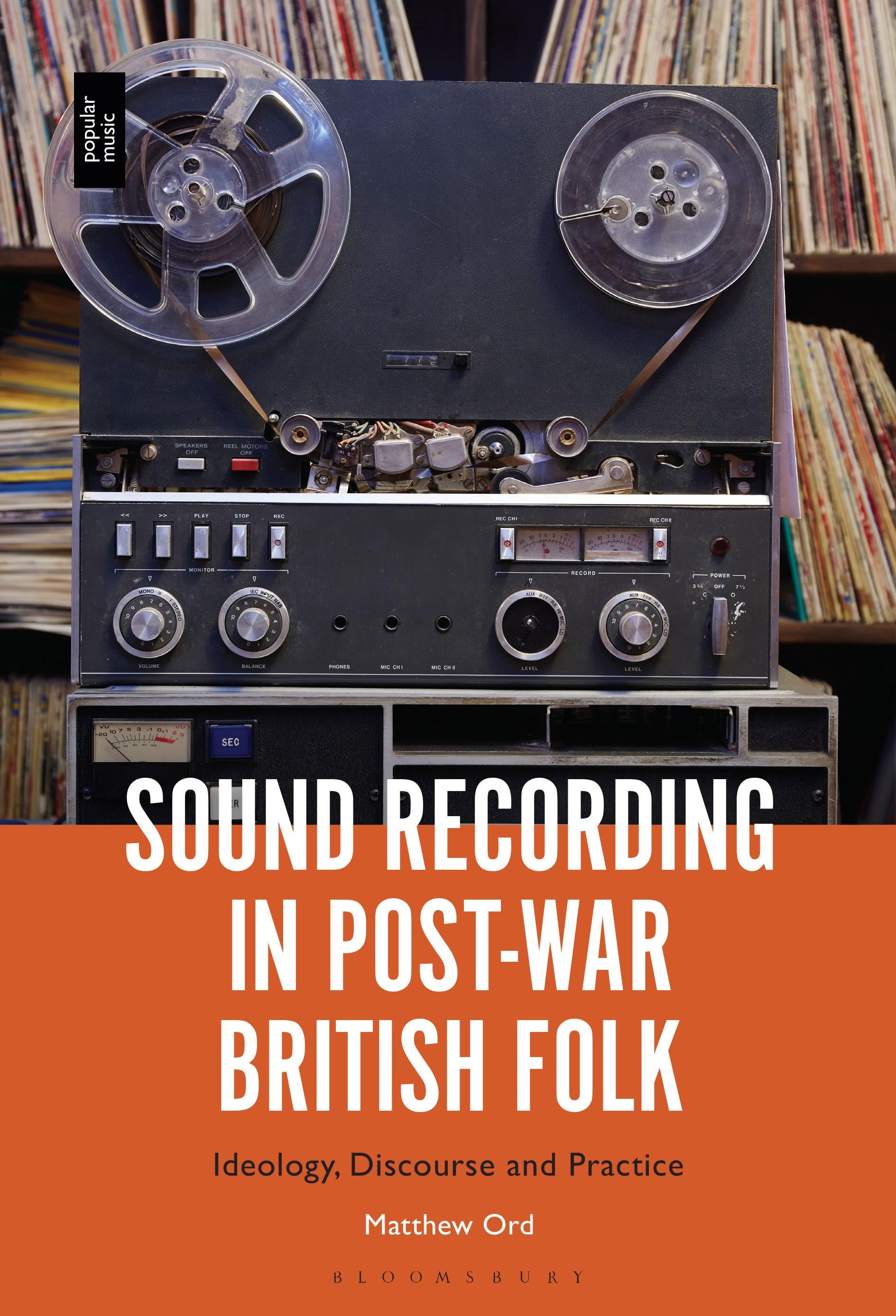
Recording technologies shaped the sound and meaning of 20th-century folk music in Britain, constructing a sonic aesthetics of authenticity in an era of rapid technological and social transformation.
The folk revival that changed the sound of 20th century British popular music was sustained by a varied and innovative recording culture. For many listeners, the sound of folk on record presented a 'real' sound in an age of studio artifice, asserting the value of face-to-face performance over technologically mediated consumption. At the same time, the folk movement benefitted from rapid advances in recording and media technology, encompassing a range of sonic practices including radio documentary, commercial studio production and field recording. Within the revival as a cultural movement, recordings and the act of recording itself reflected and shaped the meaning of the music for musicians and their audiences as they developed new aesthetic practices and explored the expressive potential of recorded sound.
Sound Recording in Post-War British Folk traces how folk's recording culture was shaped by beliefs about music, technology and society, becoming a key site for the articulation of aesthetic, cultural and political values. Ord brings together theoretical approaches from musicology, social semiotics and science and technology studies and draws upon interviews with musicians and producers to explore the place of recording in 20th-century folk and popular music and raise larger questions about the relationship between music, recording technologies and cultural-political movements.
The folk revival that changed the sound of 20th century British popular music was sustained by a varied and innovative recording culture. For many listeners, the sound of folk on record presented a 'real' sound in an age of studio artifice, asserting the value of face-to-face performance over technologically mediated consumption. At the same time, the folk movement benefitted from rapid advances in recording and media technology, encompassing a range of sonic practices including radio documentary, commercial studio production and field recording. Within the revival as a cultural movement, recordings and the act of recording itself reflected and shaped the meaning of the music for musicians and their audiences as they developed new aesthetic practices and explored the expressive potential of recorded sound.
Sound Recording in Post-War British Folk traces how folk's recording culture was shaped by beliefs about music, technology and society, becoming a key site for the articulation of aesthetic, cultural and political values. Ord brings together theoretical approaches from musicology, social semiotics and science and technology studies and draws upon interviews with musicians and producers to explore the place of recording in 20th-century folk and popular music and raise larger questions about the relationship between music, recording technologies and cultural-political movements.
Pay easily by card, Klarna, Apple Pay or Google Pay. Not happy? You always have a 14-day money-back guarantee. Read more in our terms. If you have any questions, email us at hello@memmo.org.
Memmo makes studying easier – wherever you are in the world. We bring your course books and smart study tools together in one place: summaries, quizzes, podcasts and flashcards. Plus Ted, your study buddy who answers anything you wonder. Over 50,000 students already study here – built to help you learn faster and stress less.