
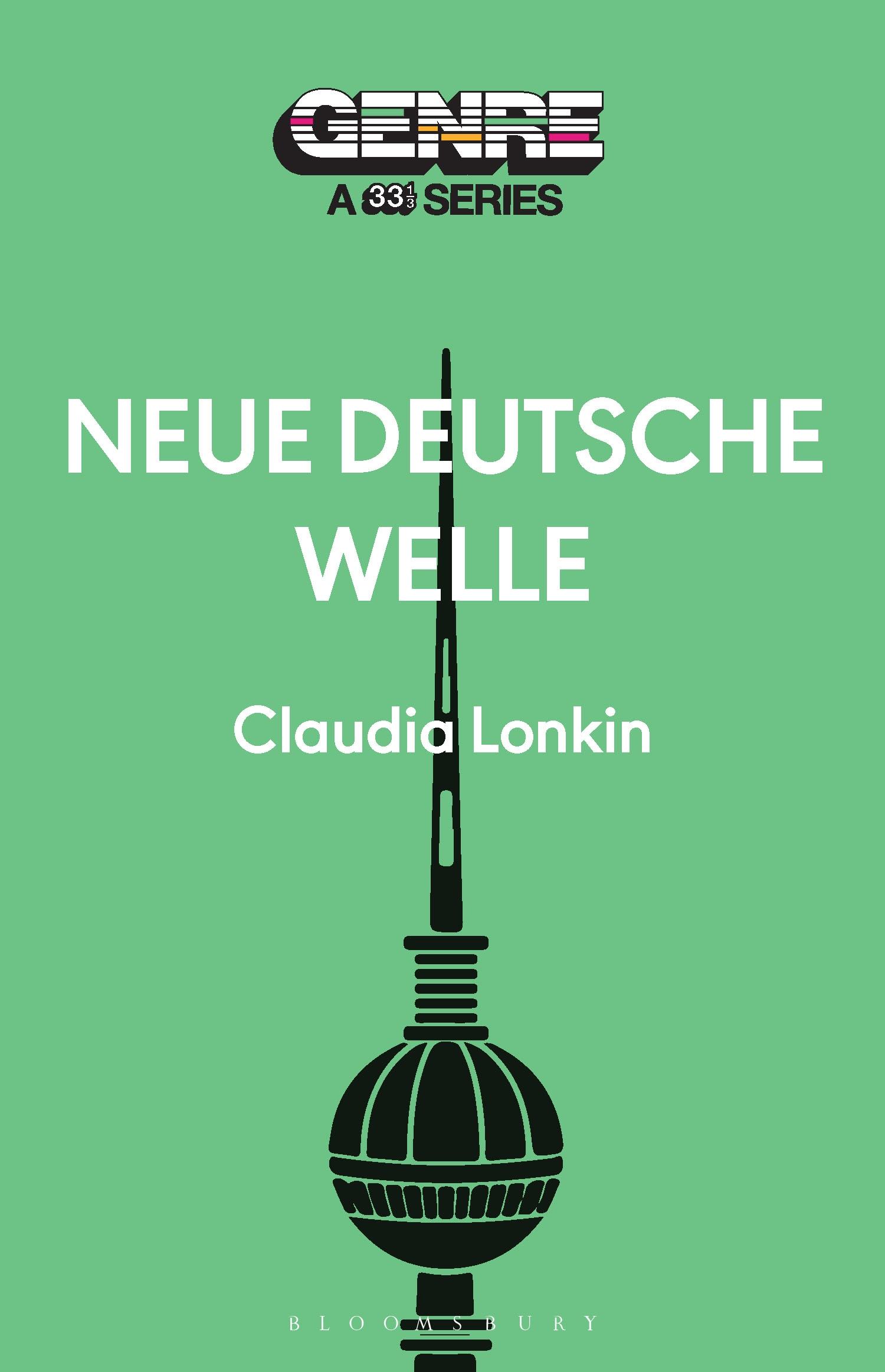
Neue Deutsche Welle (NDW), or “German New Wave,” was made extraordinarily popular in the 1970s and 1980s by the likes of Nena's "99 Luftballons" and Trio's "Da Da Da"-and then left as quickly as it came. Conventional wisdom among artists dictates that it's better to burn out than fade away, but this doesn't tell the full story of NDW-the reason for its rapid rise and fall, the historical context that necessitated the genre, and where the energy of the NDW movement went after its end.
The genre has international influences but still demonstrates a uniquely German desire to build a new, sanitized identity in the aftermath of World War II. Originally quite subversive and underground, NDW became exponentially more mainstream until it could no longer sustain itself creatively. And rather than disappearing, it helped give rise to the post-Cold War rave craze and is still an important touchstone in music history.
The genre has international influences but still demonstrates a uniquely German desire to build a new, sanitized identity in the aftermath of World War II. Originally quite subversive and underground, NDW became exponentially more mainstream until it could no longer sustain itself creatively. And rather than disappearing, it helped give rise to the post-Cold War rave craze and is still an important touchstone in music history.
Pay easily by card, Klarna, Apple Pay or Google Pay. Not happy? You always have a 14-day money-back guarantee. Read more in our terms. If you have any questions, email us at hello@memmo.org.
Memmo makes studying easier – wherever you are in the world. We bring your course books and smart study tools together in one place: summaries, quizzes, podcasts and flashcards. Plus Ted, your study buddy who answers anything you wonder. Over 50,000 students already study here – built to help you learn faster and stress less.