
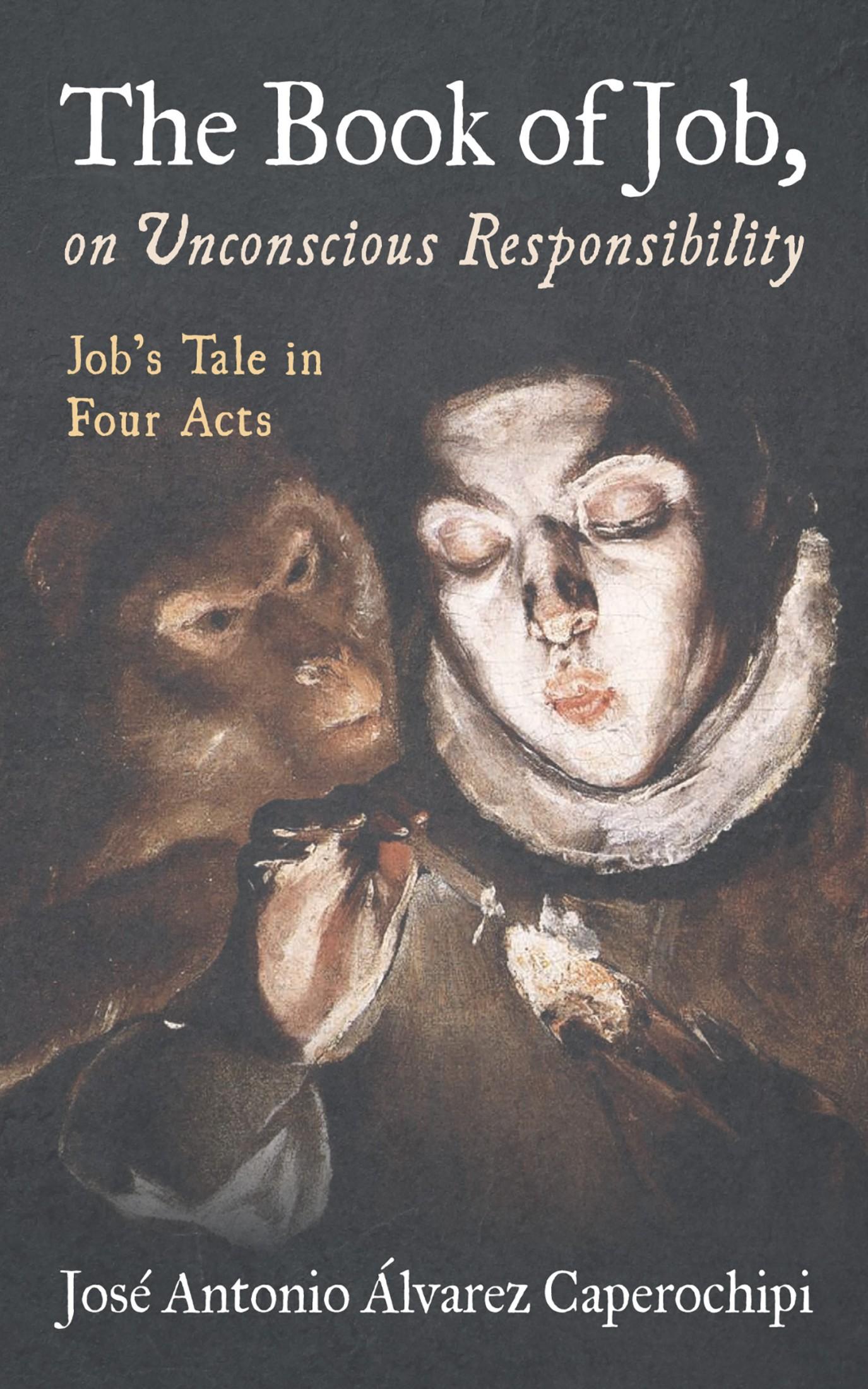
Through a multidisciplinary reading--yet grounded in civil and criminal law--this book analyzes the theories of guilt and responsibility in Job's debate with his friends and in his responses to the theophanies. The biblical text thus becomes a debate on the foundations of legal organization and the relationship between law and religion.
The essay is offered from a rational and secular perspective, with no prior religious dogma, while remaining respectful of religion as one of humanity's deepest intellectual and artistic achievements. The work interprets the book of Job as a critique of the doctrines of sacrifice and submission as the foundations of religion.
The book of Job poses an allegory of Jewish dilemma after the fall of the Persian Empire, when the morality of collective guilt entered into crisis and divine justice is rethought in terms of personal responsibility. This perspective is justified on a commentary of Jewish sources and their influence on the development of Christian and secular thought. Job, his friends, Satan, Job's wife, and the theophanies embody legal and ethical tensions still relevant today: collective versus personal guilt, sacrifice versus justice, social organization versus individual freedom.
Pay easily by card, Klarna, Apple Pay or Google Pay. Not happy? You always have a 14-day money-back guarantee. Read more in our terms. If you have any questions, email us at hello@memmo.org.
Memmo makes studying easier – wherever you are in the world. We bring your course books and smart study tools together in one place: summaries, quizzes, podcasts and flashcards. Plus Ted, your study buddy who answers anything you wonder. Over 50,000 students already study here – built to help you learn faster and stress less.
You might also like
Buy the book0