
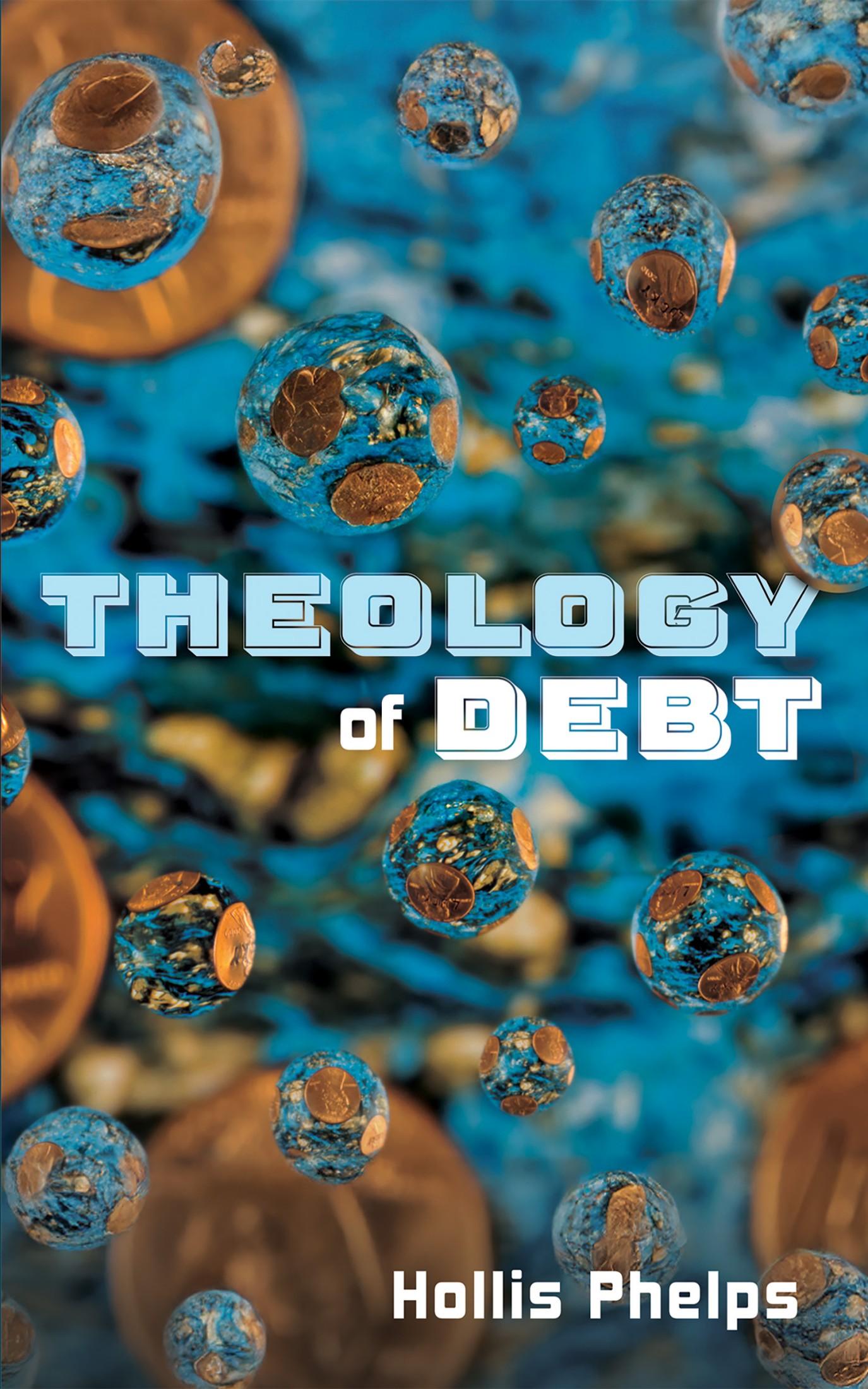
This book focuses on the various ways in which debt functions at theological and moral levels to create subjects, with chapters on the biblical jubilee tradition and usury, the gospels, Saint Paul, atonement theories in the early church, Anselm's satisfaction theory of atonement, and contemporary discussions of debt as a subjective mechanism. Phelps shows that debt and atonement as theological concepts are bound together, so to undermine debt as a subjective mechanism we need to undermine atonement theory as well, by desacralizing the latter. The goal of this book is to disrupt the sovereignty of debt over the creation and maintenance of subjectivity, so that we can think otherwise than and outside of the creditor-debtor relationship, both morally and theologically but also economically. Ultimately, the analysis presented over seven chapters incites us to rethink community and what form social life should take.
Pages: 198
Category: Religion & Teologi
e-ISBN: 9798385234059
Shipping weight: 1.2 kg
Ships in: 1-2 days
Pay easily by card, Klarna, Apple Pay or Google Pay. Not happy? You always have a 14-day money-back guarantee. Read more in our terms. If you have any questions, email us at hello@memmo.org.
Memmo makes studying easier – wherever you are in the world. We bring your course books and smart study tools together in one place: summaries, quizzes, podcasts and flashcards. Plus Ted, your study buddy who answers anything you wonder. Over 50,000 students already study here – built to help you learn faster and stress less.
You might also like
Buy the book0