
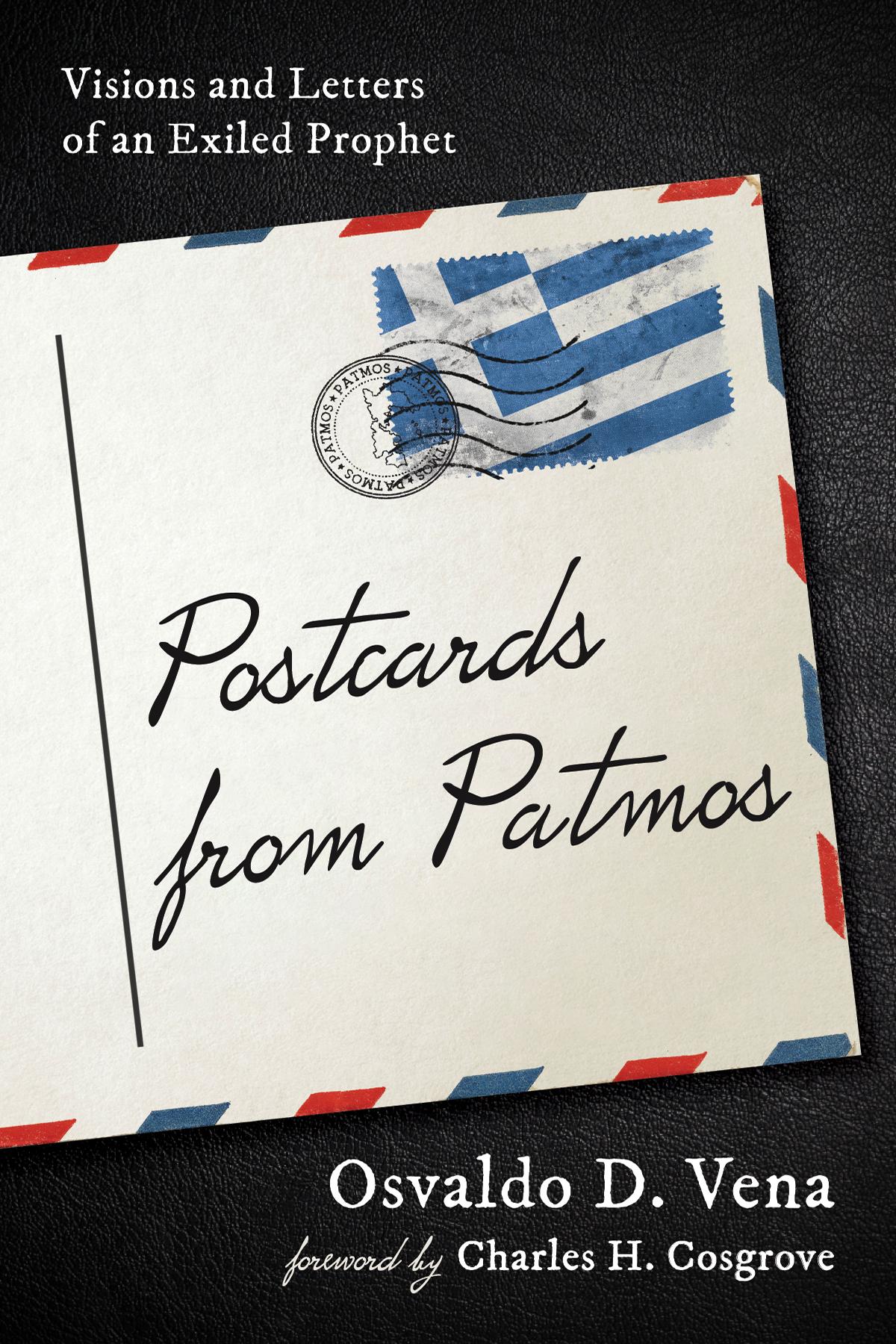
In this work, a fictionalized John is addressing a contemporary audience directly, as if they were the original recipients of the book. Unlike the author's two previous books, which were historical fictions, this one does not include fictional elements. It does not dwell on possible scenarios advanced by information found in the text, like the trip to Spain in the case of Paul. Rather, it aims at providing the audience with some additional historical information so they can have a better understanding of the place and time in which John wrote. The reader will notice, for example, that instead of using inclusive language, which would be anachronistic, John uses male language to address God. The author also explores, fictionally, John's feelings, to allow the readers to imagine how he might have felt in the troubled times he lived in.
Pay easily by card, Klarna, Apple Pay or Google Pay. Not happy? You always have a 14-day money-back guarantee. Read more in our terms. If you have any questions, email us at hello@memmo.org.
Memmo makes studying easier – wherever you are in the world. We bring your course books and smart study tools together in one place: summaries, quizzes, podcasts and flashcards. Plus Ted, your study buddy who answers anything you wonder. Over 50,000 students already study here – built to help you learn faster and stress less.
You might also like
Buy the book0