
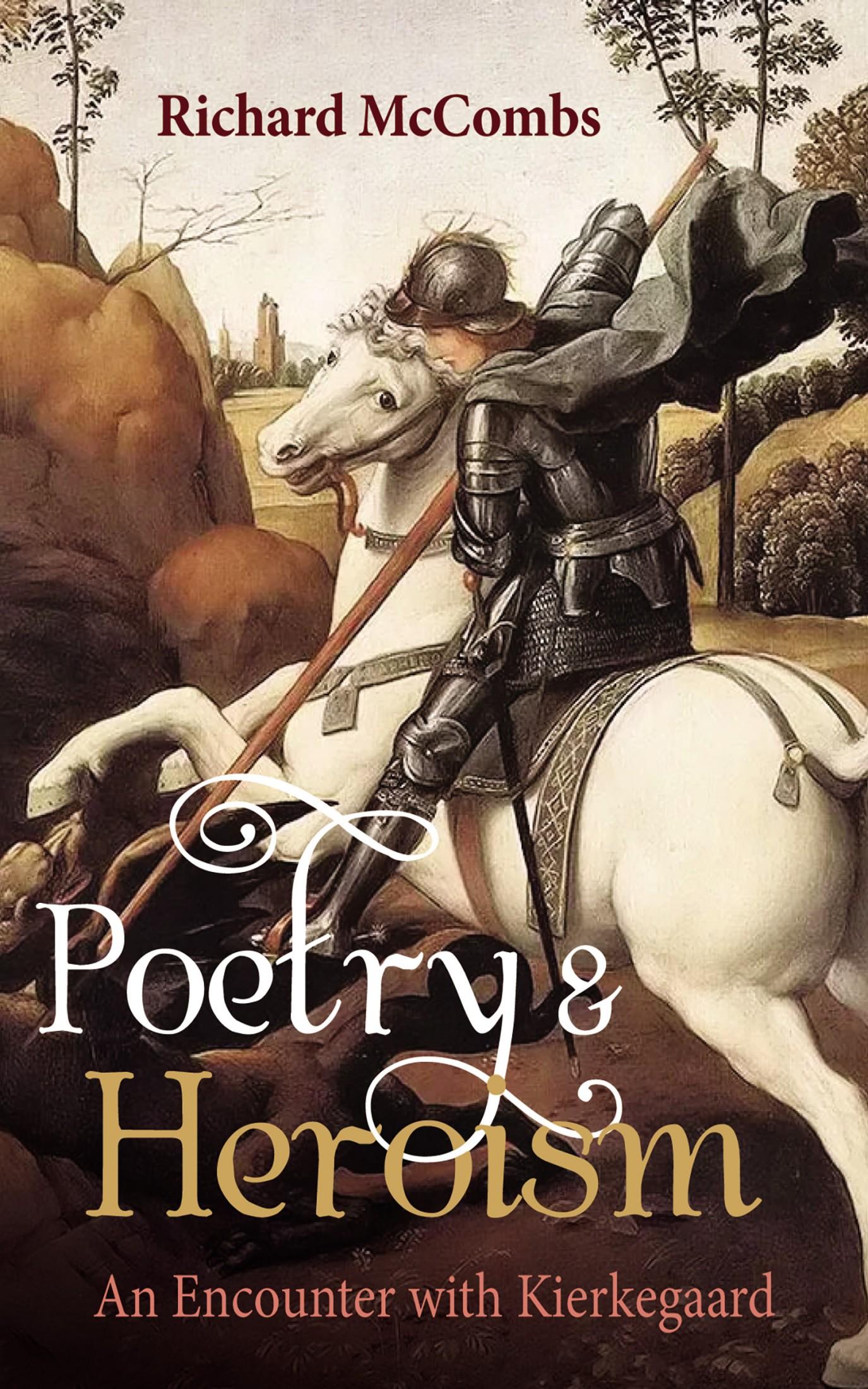
Kierkegaard lamented that many people find life distressingly empty, devoid of consolation, and a cause for despair; and set out to provide a remedy to this malaise. As a "singular kind of poet and thinker," he employed a holistic approach, which he strikingly called "dialectical lyric," to the all-important question of how we should live. His poetic task is to praise ideals, and heroes who represent them, in order to make readers profoundly appreciate the worth of the ideals, to help them experience intimately and concretely what it is like to serve something of infinite value, and thus to awaken them to their own heroic vocations. His task as a thinker or dialectician is to articulate the essence of competing ways of life, and to distinguish them from one another, so that it is possible to choose between them responsibly and without confusion. In Poetry and Heroism readers will encounter Kierkegaard's alluring invitation to live poetically and heroically, or to become the hero of one's own life, by striving passionately to become a faithful replica of ideals which can give profound meaning to human existence and which can help readers discover what Kierkegaard calls one's "eternal validity."
Pay easily by card, Klarna, Apple Pay or Google Pay. Not happy? You always have a 14-day money-back guarantee. Read more in our terms. If you have any questions, email us at hello@memmo.org.
Memmo makes studying easier – wherever you are in the world. We bring your course books and smart study tools together in one place: summaries, quizzes, podcasts and flashcards. Plus Ted, your study buddy who answers anything you wonder. Over 50,000 students already study here – built to help you learn faster and stress less.
You might also like
Buy the book0