
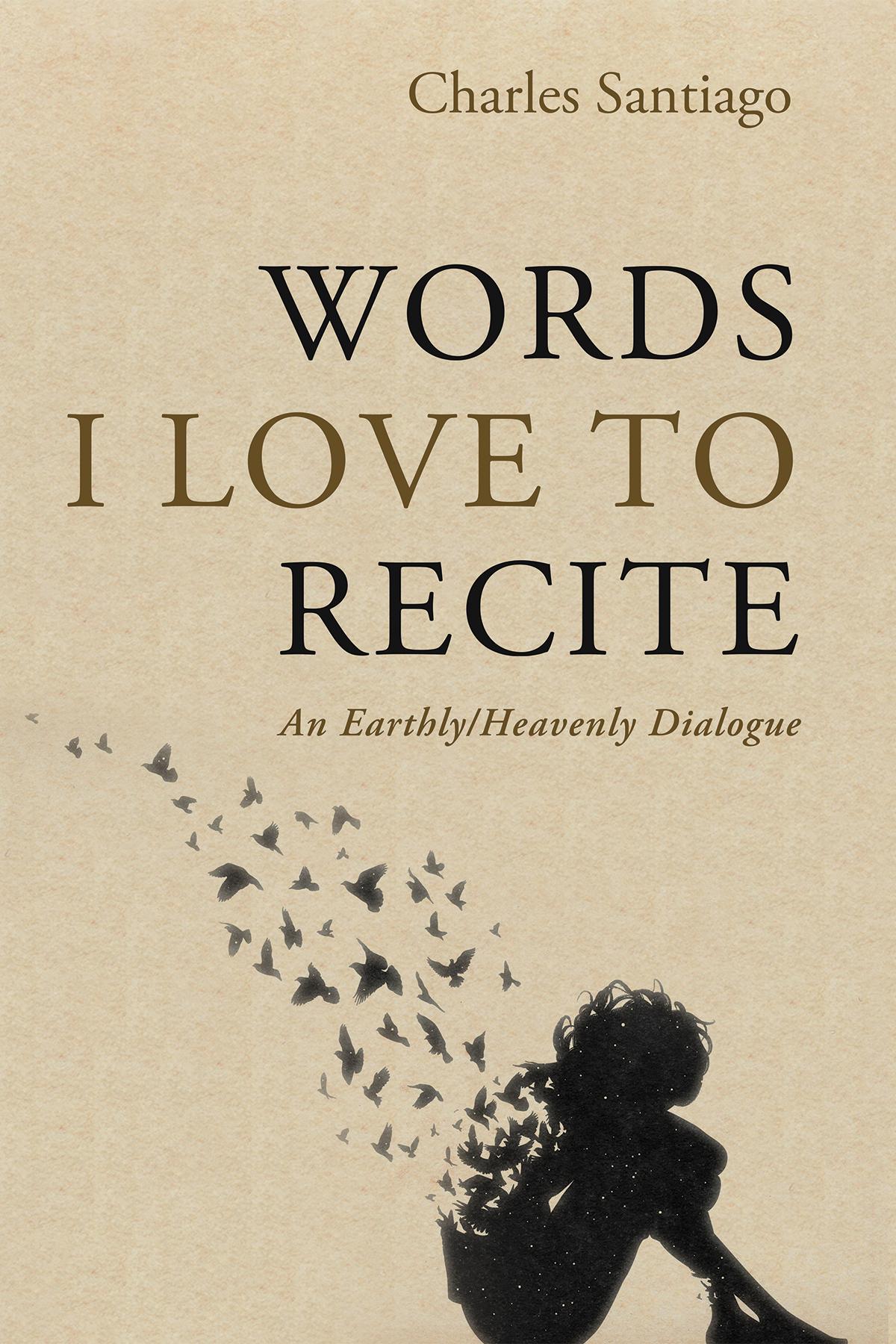
The experience of the afterlife is, normally, considered to take place after death. Death is seen as a wall of partition between those living and those departed. "Dead and gone" are words often used to describe the departed. The writer of these poems was at his wife's bedside when she took her last breath. Anyone observing the horror and desperation the author expressed at that moment would have concluded that he truly believed his wife was dead and gone. In fact, he did believe she was dead and gone. A grief counselor suggested to the new widower that he keep a journal of his experience. He started keeping a journal which, from the start, was a dialogue between him and his "departed" wife. The prose dialogue soon became peppered with poems. The widower began to notice that there were, sometimes, correlations between what was written in the poems and his daily experience. The poems and his daily experience became for the new widower proof enough that the afterlife can be experienced this side of the grave.
Pay easily by card, Klarna, Apple Pay or Google Pay. Not happy? You always have a 14-day money-back guarantee. Read more in our terms. If you have any questions, email us at hello@memmo.org.
Memmo makes studying easier – wherever you are in the world. We bring your course books and smart study tools together in one place: summaries, quizzes, podcasts and flashcards. Plus Ted, your study buddy who answers anything you wonder. Over 50,000 students already study here – built to help you learn faster and stress less.
You might also like
Buy the book0