
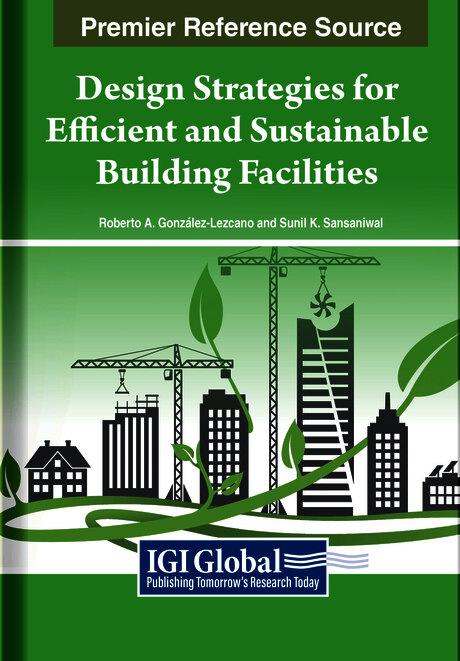
Despite the growing emphasis on energy efficiency in building design, our indoor environments often fall short of providing optimal conditions for health and well-being. Indoor air quality, temperature, and lighting levels play crucial roles in occupant health, yet they are frequently overlooked in building practices. This oversight leads to environments that can harm health, contributing to respiratory problems, allergies, and reduced productivity. Design Strategies for Efficient and Sustainable Building Facilities offers a comprehensive solution. We delve into recent advances in building design, construction, and operation that prioritize energy efficiency and occupant health. By incorporating intelligent sensors, automation systems, and renewable energy sources like solar and wind power, buildings can be transformed into healthy, sustainable spaces that promote well-being. This book is tailored for researchers, professionals, university professors, and master's and doctoral students who seek to advance sustainable building practices. By exploring topics such as thermal comfort, air quality monitoring, and sustainable materials, readers will gain valuable insights into creating buildings that reduce environmental impact and enhance the health and well-being of occupants. Together, we can reshape the future of building practices, creating environments that nurture both people and the planet.
Pay easily by card, Klarna, Apple Pay or Google Pay. Not happy? You always have a 14-day money-back guarantee. Read more in our terms. If you have any questions, email us at hello@memmo.org.
Memmo makes studying easier – wherever you are in the world. We bring your course books and smart study tools together in one place: summaries, quizzes, podcasts and flashcards. Plus Ted, your study buddy who answers anything you wonder. Over 50,000 students already study here – built to help you learn faster and stress less.
You might also like
Buy the book0