
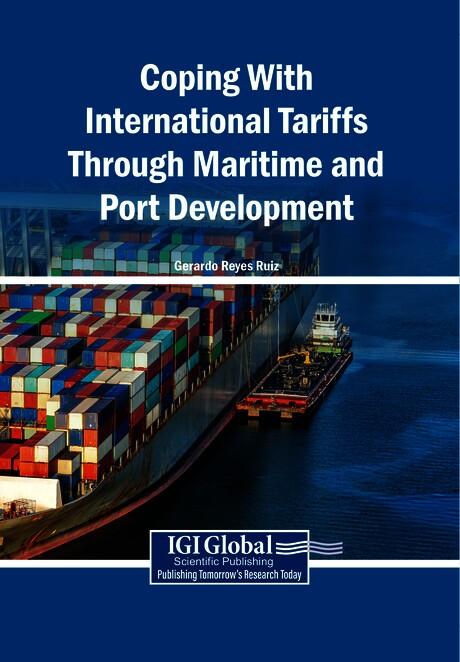
Recent tariffs have begun to impact nearly every aspect of the global shipping industry. In many cases, these policy changes can disrupt companies and port operations almost overnight, creating significant financial and logistical challenges. Although shipping managers often have little control over the tariffs themselves, they can take proactive steps to strengthen their operations. By investing in port development, infrastructure, and technological innovation, shipping leaders can improve efficiency and reduce operational bottlenecks. These strategies ultimately provide greater control over the resilience, productivity, and long-term competitiveness of shipping ports. Coping With International Tariffs Through Maritime and Port Development highlights the growing importance of maritime and port development within international trade logistics. Using practical, real-world case studies, the book emphasizes a central theme: strengthening economic growth through supply chain optimization in global maritime trade. Covering topics such as port development systems, port efficiency, and trade specialization, this book is a fundamental academic resource for graduate and doctoral students, port operations managers, maritime logistics coordinators, international trade analysts, customs and trade compliance officers, port authority officials, and more.
Pay easily by card, Klarna, Apple Pay or Google Pay. Not happy? You always have a 14-day money-back guarantee. Read more in our terms. If you have any questions, email us at hello@memmo.org.
Memmo makes studying easier – wherever you are in the world. We bring your course books and smart study tools together in one place: summaries, quizzes, podcasts and flashcards. Plus Ted, your study buddy who answers anything you wonder. Over 75,000 students already study here – built to help you learn faster and stress less.
You might also like
Buy the book0