
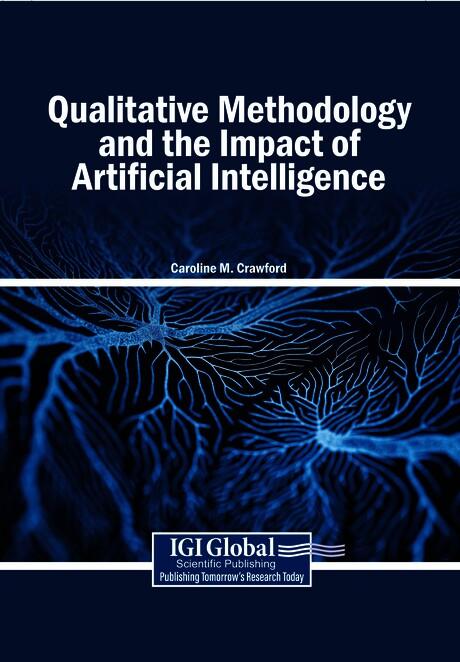
The rapid expansion of artificial intelligence (AI) is reshaping research practices across disciplines. Within qualitative methodology, these technologies are opening new possibilities for research design while simultaneously introducing complex ethical concerns. Researchers are increasingly able to use AI to assist with data generation and analysis, but this raises questions about authenticity and rigor. In particular, the creation of AI-generated or simulated datasets risks bypassing established processes of data collection. As a result, qualitative inquiry must adapt while maintaining its commitment to depth, validity, and methodological integrity. Qualitative Methodology and the Impact of Artificial Intelligence explores the frontend of the shifts and transformations occurring within methodological realms. This book critically examines how qualitative research design and data analysis are being rethought in response to the growing integration of AI, while also addressing its influence on resource availability and the potential misrepresentation of data. Covering topics such as algorithm as a cultural informant, management control systems, and traditional thematic analysis, this book is an excellent academic resource for graduate and doctoral students, researchers, higher education faculty, research ethics specialists, policymakers, and more.
Pages: 564
Category: Vetenskapsteori och forskningsmetod
e-ISBN: 9798337376431
Shipping weight: 1.2 kg
Ships in: 1-2 days
Pay easily by card, Klarna, Apple Pay or Google Pay. Not happy? You always have a 14-day money-back guarantee. Read more in our terms. If you have any questions, email us at hello@memmo.org.
Memmo makes studying easier – wherever you are in the world. We bring your course books and smart study tools together in one place: summaries, quizzes, podcasts and flashcards. Plus Ted, your study buddy who answers anything you wonder. Over 50,000 students already study here – built to help you learn faster and stress less.
You might also like
Buy the book0