
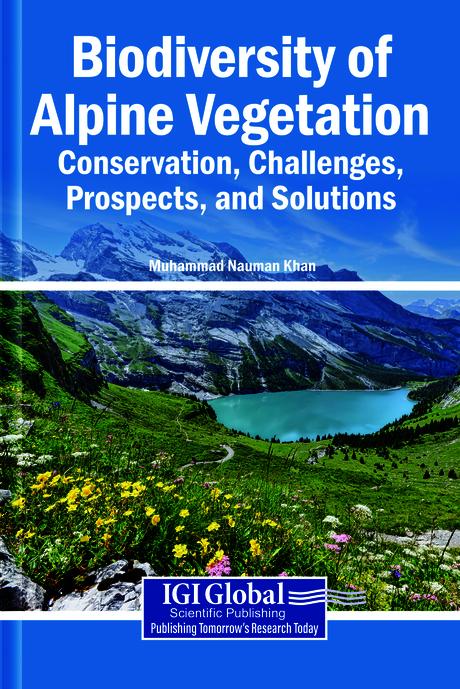
Alpine ecosystems have adapted to harsh, high-elevation environments, making them some of the most sensitive and ecologically significant regions on the planet. The biodiversity of alpine vegetation also faces pressures from climate change, habitat fragmentation, human activities, and shifting ecological dynamics. These challenges threaten individual species and the stability of alpine communities and the ecosystem services they provide. Exploring the conservation needs, emerging challenges, and practical solutions for safeguarding alpine biodiversity is crucial for ensuring the resilience and sustainability of these mountain landscapes. Biodiversity of Alpine Vegetation: Conservation, Challenges, Prospects, and Solutions explores alpine plant biodiversity drawing from global ecosystems above the tree line, spanning the European Alps, the Himalayas, Tibetan Plateau, Andes, and beyond. It examines the ecological patterns, adaptive traits, and functional significance of alpine vegetation in sustaining mountain ecosystems and human communities. This book covers topics such as alpine floristics, ecology, and microhabitats, and is a useful resource for biologists, agriculturalists, ecologists, academicians, researchers, and scientists.
Pay easily by card, Klarna, Apple Pay or Google Pay. Not happy? You always have a 14-day money-back guarantee. Read more in our terms. If you have any questions, email us at hello@memmo.org.
Memmo makes studying easier – wherever you are in the world. We bring your course books and smart study tools together in one place: summaries, quizzes, podcasts and flashcards. Plus Ted, your study buddy who answers anything you wonder. Over 50,000 students already study here – built to help you learn faster and stress less.
You might also like
Buy the book0