
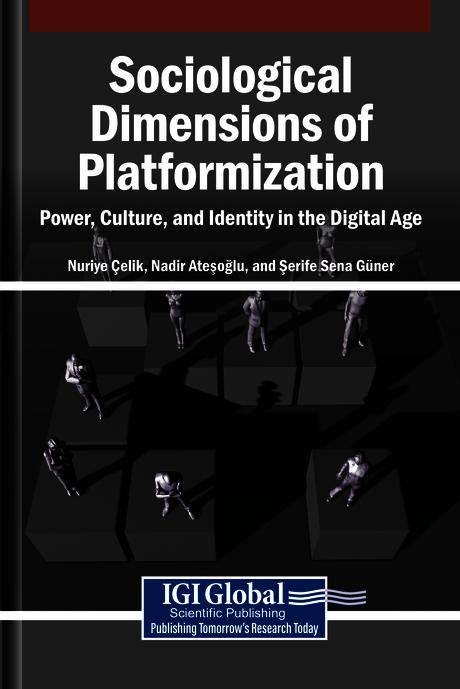
In the digital age, the rise of platforms like social media, streaming services, and gig economy apps reshapes how individuals interact, work, and express themselves. This process of platformization extends beyond technology, influencing everyday life by redefining power relations, cultural norms, and personal and collective identities. As platforms mediate communication, labor, and social recognition, they concentrate power in the hands of a few tech corporations, shaping visibility, value, and reward. Digital platforms can structure social behavior, reinforce or challenge existing inequalities, and influence the ways individuals construct and perform their identities in networked public spheres. Understanding these sociological dimensions is key to understanding the broader societal implications of a platform-driven world. Sociological Dimensions of Platformization: Power, Culture, and Identity in the Digital Age explores how digital platforms mediate labor, intimacy, consumption, education, surveillance, and identity. Through a combination of theoretical inquiry and empirical case studies, it examines the sociotechnical transformations reshaping contemporary societies. This book covers topics such as social media, digital identity, and artificial intelligence, and is a useful resource for business owners, media and communications professionals, sociologists, academicians, researchers, and scientists.
Pay easily by card, Klarna, Apple Pay or Google Pay. Not happy? You always have a 14-day money-back guarantee. Read more in our terms. If you have any questions, email us at hello@memmo.org.
Memmo makes studying easier – wherever you are in the world. We bring your course books and smart study tools together in one place: summaries, quizzes, podcasts and flashcards. Plus Ted, your study buddy who answers anything you wonder. Over 50,000 students already study here – built to help you learn faster and stress less.
You might also like
Buy the book0