
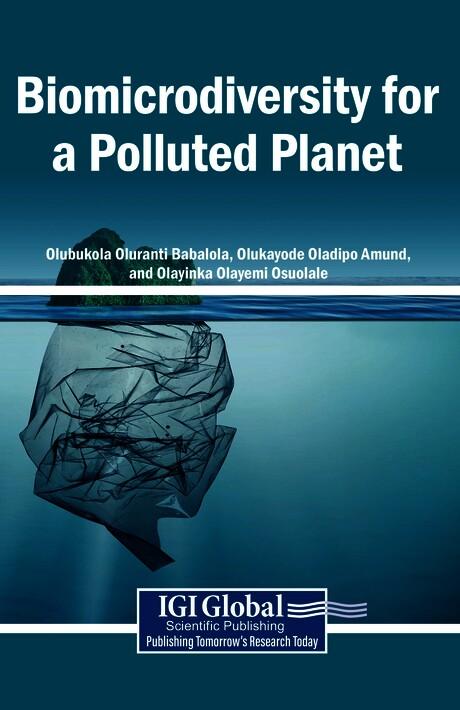
As environmental pollution threatens ecosystems, the concept of biomicrodiversity emerges as a critical area of scientific research and conservation. Biomicrodiversity refers to the variety of microscopic organisms, including bacteria, fungi, and viruses, that inhabit soil, water, air, and living organisms. Despite their size, microorganisms are essential in nutrient cycling, waste decomposition, climate regulation, and ecosystem resilience. In a polluted planet affected by industrial waste, chemical contaminants, plastic pollution, and climate change, microbial communities are often among the first to respond to environmental stress. Understanding and protecting biomicrodiversity maintains ecological balance while developing innovative solutions to environmental restoration and sustainable living. Microbial Diversity and Environmental Resilience in Polluted Ecosystems explores the diversity and ecological importance of microscopic organisms and how they are affected by environmental pollution. It examines the role of microbial communities in maintaining ecosystem health, as well as their potential to help monitor, mitigate, and restore polluted environments. This book covers topics such as genomics, bioremediation, and policymaking, and is a useful resource for engineers, biologists, climatologists, academicians, researchers, and environmental scientists.
Pages: 412
Category: Miljövetenskap & Klimat
e-ISBN: 9798260021033
Shipping weight: 1.2 kg
Ships in: 1-2 days
Pay easily by card, Klarna, Apple Pay or Google Pay. Not happy? You always have a 14-day money-back guarantee. Read more in our terms. If you have any questions, email us at hello@memmo.org.
Memmo makes studying easier – wherever you are in the world. We bring your course books and smart study tools together in one place: summaries, quizzes, podcasts and flashcards. Plus Ted, your study buddy who answers anything you wonder. Over 50,000 students already study here – built to help you learn faster and stress less.
You might also like
Buy the book0