
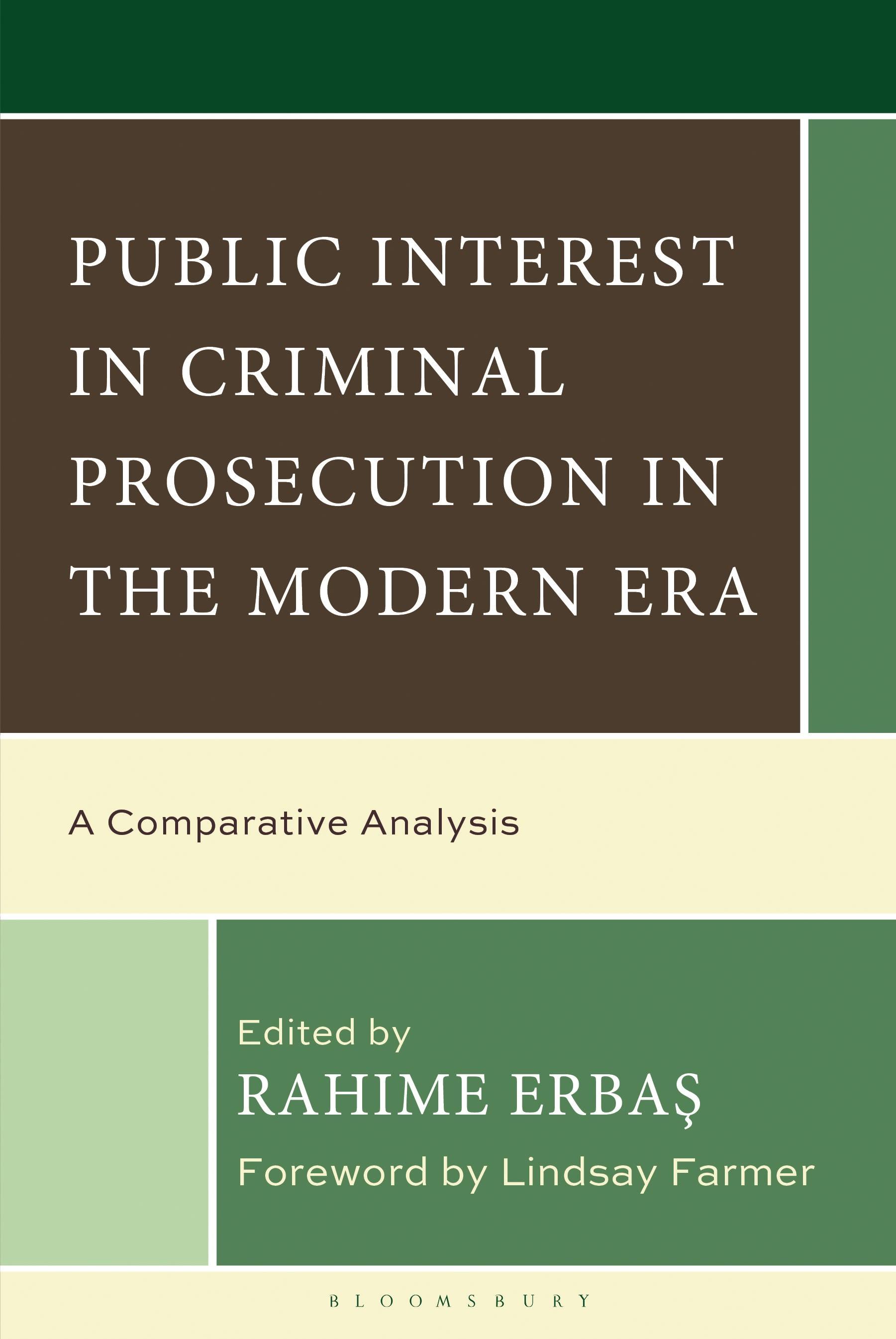
Contributors from across the globe investigate how criminal justice systems grapple with the tension between procedural fairness, institutional efficiency and the general welfare of the public.
Drawing on legal frameworks and practices from around the world, this book explores the structural and philosophical challenges that shape modern criminal courts - asking not only what works, but what ought to work. Identifying common patterns and divergent approaches, contributors ultimately offer a holistic perspective on how justice systems can uphold the rule of law while meeting the demands of speed, cost, and caseload management. The timely and thought-provoking contributions provide actionable insights for scholars, practitioners and policymakers seeking to reform criminal justice in ways that serve both principle and practicality.
Drawing on legal frameworks and practices from around the world, this book explores the structural and philosophical challenges that shape modern criminal courts - asking not only what works, but what ought to work. Identifying common patterns and divergent approaches, contributors ultimately offer a holistic perspective on how justice systems can uphold the rule of law while meeting the demands of speed, cost, and caseload management. The timely and thought-provoking contributions provide actionable insights for scholars, practitioners and policymakers seeking to reform criminal justice in ways that serve both principle and practicality.
Pay easily by card, Klarna, Apple Pay or Google Pay. Not happy? You always have a 14-day money-back guarantee. Read more in our terms. If you have any questions, email us at hello@memmo.org.
Memmo makes studying easier – wherever you are in the world. We bring your course books and smart study tools together in one place: summaries, quizzes, podcasts and flashcards. Plus Ted, your study buddy who answers anything you wonder. Over 50,000 students already study here – built to help you learn faster and stress less.