
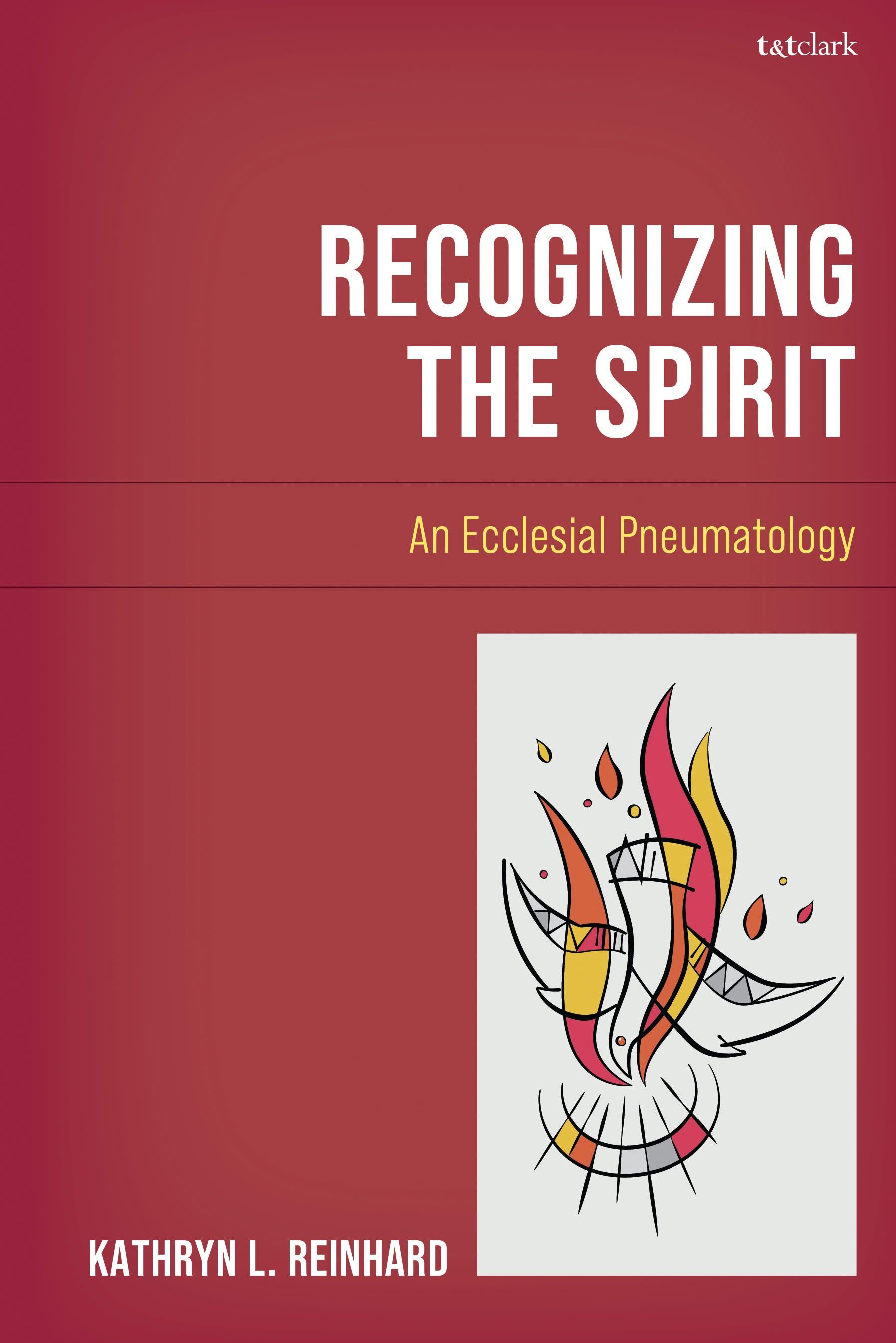
Boldly tackling the question of how to negotiate diversities in identity and practice within the unity of ecclesial relationship, this book constructs an ecclesial Pneumatology capable of addressing modern issues of church conflict and separation.
In a time of “ecumenical winter” and intra-ecclesial fracturing, the ecclesial crises of our time are at root a problem of “recognition.” Here, ecumenical recognition is supplemented with insights from Continental philosophy, literary theory, and Augustinian Pneumatology. Ultimately, this book follows the work of Eberhard Jüngel to propose a correspondence between the existence of the church and the existence of the triune God, in that both exist as “a communion of mutual otherness.”
If God is who Christians say God is––if the Spirit is and does the work that Augustine and Jüngel say it does––then Christians are incorporated into a Body whose shape we are not free to determine. God's primary recognition of believers in the church affects a secondary recognition that, despite the very real harm Christians do perpetrate against one another in our performative divisions, should make us question the extent to which we can every truly do without one another.
In a time of “ecumenical winter” and intra-ecclesial fracturing, the ecclesial crises of our time are at root a problem of “recognition.” Here, ecumenical recognition is supplemented with insights from Continental philosophy, literary theory, and Augustinian Pneumatology. Ultimately, this book follows the work of Eberhard Jüngel to propose a correspondence between the existence of the church and the existence of the triune God, in that both exist as “a communion of mutual otherness.”
If God is who Christians say God is––if the Spirit is and does the work that Augustine and Jüngel say it does––then Christians are incorporated into a Body whose shape we are not free to determine. God's primary recognition of believers in the church affects a secondary recognition that, despite the very real harm Christians do perpetrate against one another in our performative divisions, should make us question the extent to which we can every truly do without one another.
Pay easily by card, Klarna, Apple Pay or Google Pay. Not happy? You always have a 14-day money-back guarantee. Read more in our terms. If you have any questions, email us at hello@memmo.org.
Memmo makes studying easier – wherever you are in the world. We bring your course books and smart study tools together in one place: summaries, quizzes, podcasts and flashcards. Plus Ted, your study buddy who answers anything you wonder. Over 50,000 students already study here – built to help you learn faster and stress less.