
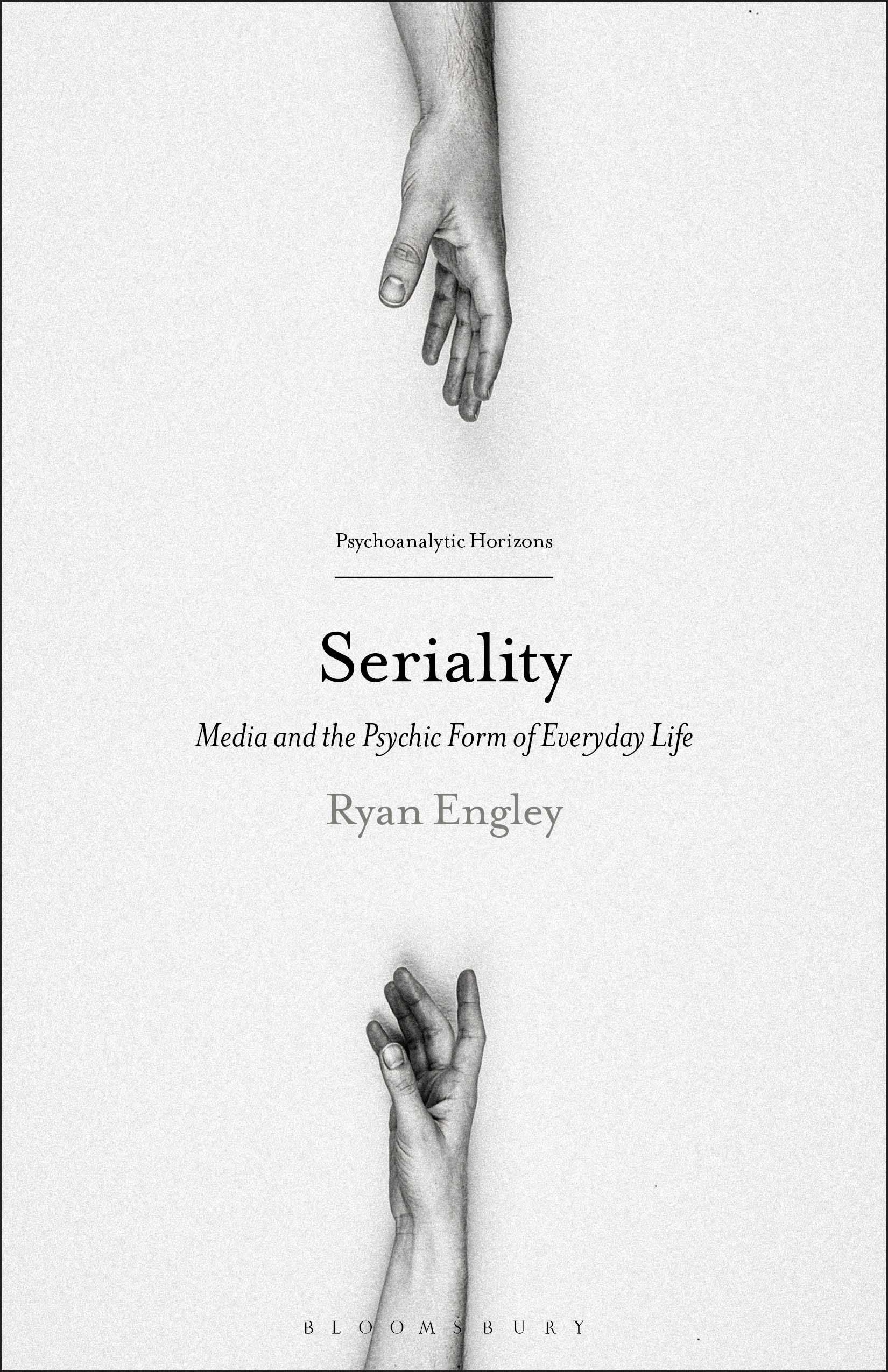
This material and theoretical history of seriality shows it to be the dominant form of culture since its inception within 19th-century print culture, as both a media structure and a psychic one.
The serial is everywhere. Commonly identified by the segmented release structure of an ongoing narrative – from installments of Victorian novels to TV episodes to comic books – seriality names the spread of installment-based storytelling across a range of media. However, Ryan Engley argues that seriality is not only a narrative structure but also a psychic structure. Seriality – in its dependence on gaps, delay, and constraint – names the fundamental trauma of contemporary life: that there exists an intrinsic relation between self and other, a relation that is often difficult to see and difficult to bear.
Through formal readings of media texts alongside Freudian and Lacanian psychoanalysis, the dialectical method of G.W.F. Hegel, and Jean-Paul Sartre's existentialism, Seriality: Media and the Psychic Form of Everyday Life shifts the focus of seriality studies. In so doing, Engley presents a rebuttal to the common refrain that our lives, like contemporary media, have become endlessly fragmented. Rather, Engley finds, we have become radically – serially – connected.
The serial is everywhere. Commonly identified by the segmented release structure of an ongoing narrative – from installments of Victorian novels to TV episodes to comic books – seriality names the spread of installment-based storytelling across a range of media. However, Ryan Engley argues that seriality is not only a narrative structure but also a psychic structure. Seriality – in its dependence on gaps, delay, and constraint – names the fundamental trauma of contemporary life: that there exists an intrinsic relation between self and other, a relation that is often difficult to see and difficult to bear.
Through formal readings of media texts alongside Freudian and Lacanian psychoanalysis, the dialectical method of G.W.F. Hegel, and Jean-Paul Sartre's existentialism, Seriality: Media and the Psychic Form of Everyday Life shifts the focus of seriality studies. In so doing, Engley presents a rebuttal to the common refrain that our lives, like contemporary media, have become endlessly fragmented. Rather, Engley finds, we have become radically – serially – connected.
Pay easily by card, Klarna, Apple Pay or Google Pay. Not happy? You always have a 14-day money-back guarantee. Read more in our terms. If you have any questions, email us at hello@memmo.org.
Memmo makes studying easier – wherever you are in the world. We bring your course books and smart study tools together in one place: summaries, quizzes, podcasts and flashcards. Plus Ted, your study buddy who answers anything you wonder. Over 50,000 students already study here – built to help you learn faster and stress less.