
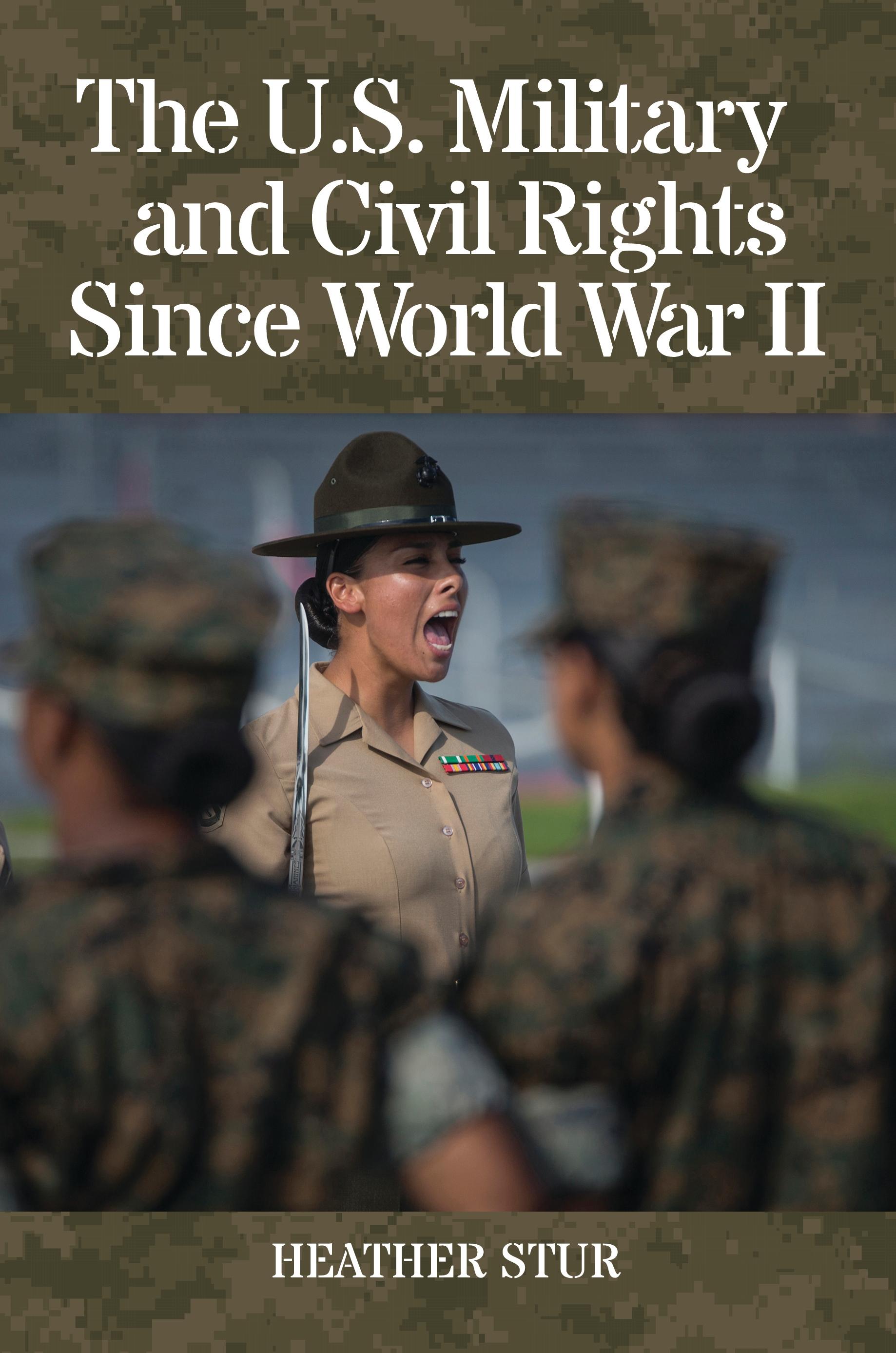
Through examinations of U.S. military racial and gender integration efforts and its handling of sexuality, this book argues that the need for personnel filling the ranks has forced the armed services to be pragmatically progressive since World War II.
The integration of African Americans and women into the United States Armed Forces after World War II coincided with major social movements in which marginalized civilians demanded equal citizenship rights. As this book explores, due to personnel needs, the military was a leading institution in its opening of positions to women and African Americans and its offering of educational and economic opportunities that in many cases were not available to them in the civilian world.
By opening positions to African Americans and women and remaking its "where boys become men" image, the military was an institutional leader on the issue of social equality in the second half of the 20th century. The pushback against gay men and women wishing to serve openly in the forces, however, revealed the limits of the military's pragmatic progressivism. This text investigates how policymakers have defined who belongs in the military and counts as a soldier, and examines how the need to attract new recruits led to the opening of the forces to marginalized groups and the rebranding of the services.
The integration of African Americans and women into the United States Armed Forces after World War II coincided with major social movements in which marginalized civilians demanded equal citizenship rights. As this book explores, due to personnel needs, the military was a leading institution in its opening of positions to women and African Americans and its offering of educational and economic opportunities that in many cases were not available to them in the civilian world.
By opening positions to African Americans and women and remaking its "where boys become men" image, the military was an institutional leader on the issue of social equality in the second half of the 20th century. The pushback against gay men and women wishing to serve openly in the forces, however, revealed the limits of the military's pragmatic progressivism. This text investigates how policymakers have defined who belongs in the military and counts as a soldier, and examines how the need to attract new recruits led to the opening of the forces to marginalized groups and the rebranding of the services.
Pay easily by card, Klarna, Apple Pay or Google Pay. Not happy? You always have a 14-day money-back guarantee. Read more in our terms. If you have any questions, email us at hello@memmo.org.
Memmo makes studying easier – wherever you are in the world. We bring your course books and smart study tools together in one place: summaries, quizzes, podcasts and flashcards. Plus Ted, your study buddy who answers anything you wonder. Over 50,000 students already study here – built to help you learn faster and stress less.