
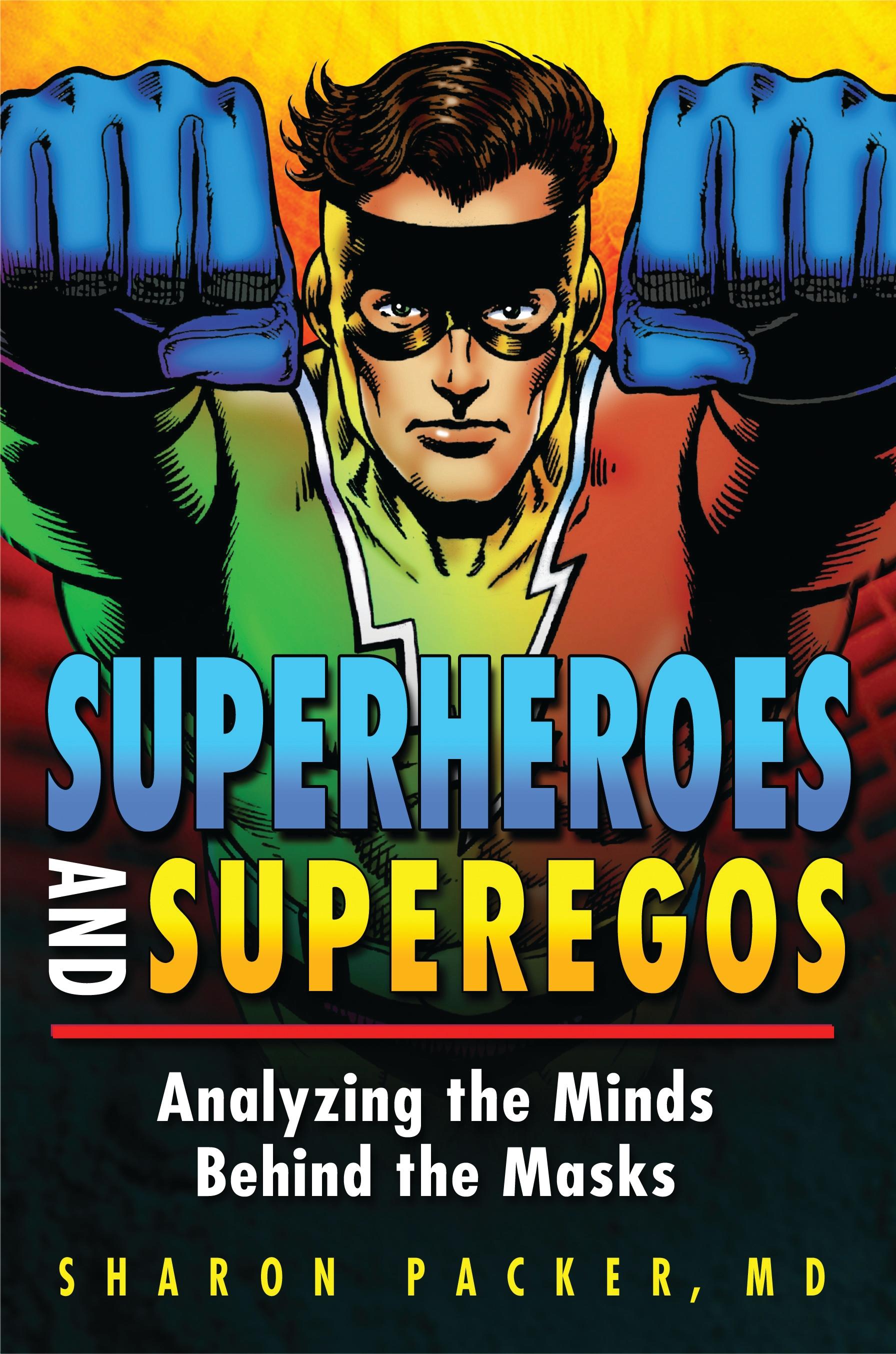
This comprehensive collection of essays written by a practicing psychiatrist shows that superheroes are more about superegos than about bodies and brawn, even though they contain subversive sexual subtexts that paved the path for major social shifts of the late 20th century.
Superheroes have provided entertainment for generations, but there is much more to these fictional characters than what first meets the eye. Superheros and Superegos: Analyzing the Minds Behind the Masks begins its exploration in 1938 with the creation of Superman and continues to the present, with a nod to the forerunners of superhero stories in the Bible and Greek, Roman, Norse, and Hindu myth. The first book about superheroes written by a psychiatrist in over 50 years, it invokes biological psychiatry to discuss such concepts as "body dysmorphic disorder," as well as Jungian concepts of the shadow self that explain the appeal of the masked hero and the secret identity.
Readers will discover that the earliest superheroes represent fantasies about stopping Hitler, while more sophisticated and socially-oriented publishers used superheroes to encourage American participation in World War II. The book also explores themes such as how the feminist movement and the dramatic shift in women's roles and rights were predicted by Wonder Woman and Sheena nearly 30 years before the dawn of the feminist era.
Superheroes have provided entertainment for generations, but there is much more to these fictional characters than what first meets the eye. Superheros and Superegos: Analyzing the Minds Behind the Masks begins its exploration in 1938 with the creation of Superman and continues to the present, with a nod to the forerunners of superhero stories in the Bible and Greek, Roman, Norse, and Hindu myth. The first book about superheroes written by a psychiatrist in over 50 years, it invokes biological psychiatry to discuss such concepts as "body dysmorphic disorder," as well as Jungian concepts of the shadow self that explain the appeal of the masked hero and the secret identity.
Readers will discover that the earliest superheroes represent fantasies about stopping Hitler, while more sophisticated and socially-oriented publishers used superheroes to encourage American participation in World War II. The book also explores themes such as how the feminist movement and the dramatic shift in women's roles and rights were predicted by Wonder Woman and Sheena nearly 30 years before the dawn of the feminist era.
Pay easily by card, Klarna, Apple Pay or Google Pay. Not happy? You always have a 14-day money-back guarantee. Read more in our terms. If you have any questions, email us at hello@memmo.org.
Memmo makes studying easier – wherever you are in the world. We bring your course books and smart study tools together in one place: summaries, quizzes, podcasts and flashcards. Plus Ted, your study buddy who answers anything you wonder. Over 50,000 students already study here – built to help you learn faster and stress less.