
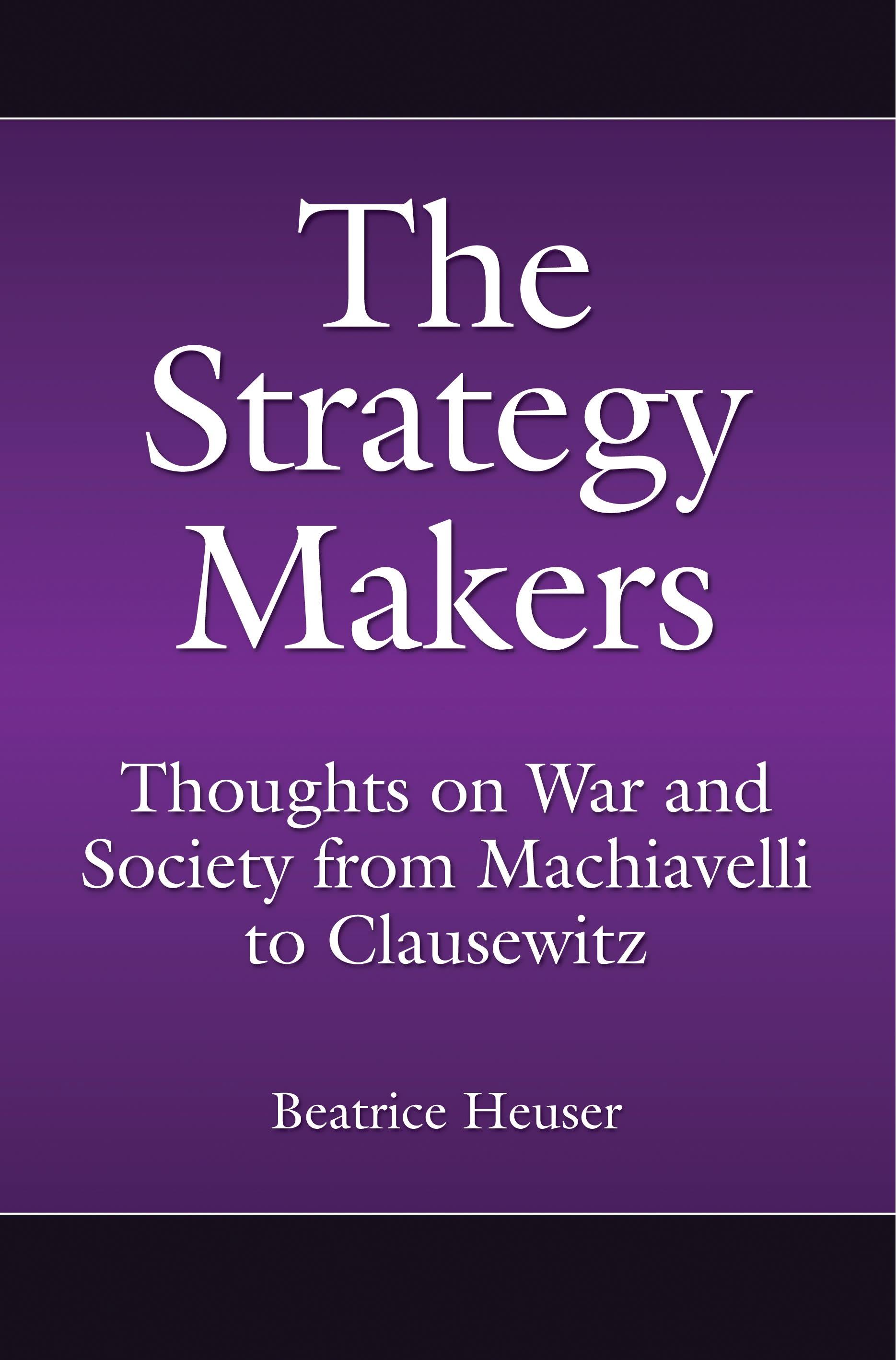
This book reintroduces readers to the lives and writings of the greatest military minds of the modern era, writers whose ideas and teachings continue to shape the conduct of war in the 21st century.
The word "strategy" only came into usage in West European languages after the work of a Byzantine emperor was translated around the time of the French Revolution. Nevertheless, there was writing on strategy – relating political aims to the use of the military – also in Western Europe, well before this. This book surveys and analyzes the existing literature. It presents commented excerpts of the work of the Elizabethan writer Matthew Sutcliffe (who wrote the first modern comprehensive strategic concept) and translations into English of excerpts from the writing of the Machiavelli-admirer the Seigneur de Fourquevaux (1548) and his French compatriot Bertrand de Loque, who also went by the name of François de Saillans (1589); the Spanish diplomats and military officers Don Bernardino de Mendoza (1595) and the Third Marques of Santa Cruz de Marcenado (1724-1730); the Frenchmen Paul Hay du Chastelet (1668) and Count Guibert (1770); and the Prussian contemporary of Clausewitz, Rühle von Lilienstern (1816).
Key concepts such as preventive war, the fight for the hearts and minds of the population to combat insurgents, the "democratic peace theory," and debates such as the preference for defense or the offensive, the desirability of battle, the purpose and function of war, the advantages of conscript or professional soldiers, can thus be shown to go back far longer than generally assumed and appear in a new light.
The word "strategy" only came into usage in West European languages after the work of a Byzantine emperor was translated around the time of the French Revolution. Nevertheless, there was writing on strategy – relating political aims to the use of the military – also in Western Europe, well before this. This book surveys and analyzes the existing literature. It presents commented excerpts of the work of the Elizabethan writer Matthew Sutcliffe (who wrote the first modern comprehensive strategic concept) and translations into English of excerpts from the writing of the Machiavelli-admirer the Seigneur de Fourquevaux (1548) and his French compatriot Bertrand de Loque, who also went by the name of François de Saillans (1589); the Spanish diplomats and military officers Don Bernardino de Mendoza (1595) and the Third Marques of Santa Cruz de Marcenado (1724-1730); the Frenchmen Paul Hay du Chastelet (1668) and Count Guibert (1770); and the Prussian contemporary of Clausewitz, Rühle von Lilienstern (1816).
Key concepts such as preventive war, the fight for the hearts and minds of the population to combat insurgents, the "democratic peace theory," and debates such as the preference for defense or the offensive, the desirability of battle, the purpose and function of war, the advantages of conscript or professional soldiers, can thus be shown to go back far longer than generally assumed and appear in a new light.
Pages: 248
Category: Statsvetenskap & Politik
e-ISBN: 9798216150213
Shipping weight: 1.2 kg
Ships in: 1-2 days
Pay easily by card, Klarna, Apple Pay or Google Pay. Not happy? You always have a 14-day money-back guarantee. Read more in our terms. If you have any questions, email us at hello@memmo.org.
Memmo makes studying easier – wherever you are in the world. We bring your course books and smart study tools together in one place: summaries, quizzes, podcasts and flashcards. Plus Ted, your study buddy who answers anything you wonder. Over 50,000 students already study here – built to help you learn faster and stress less.