
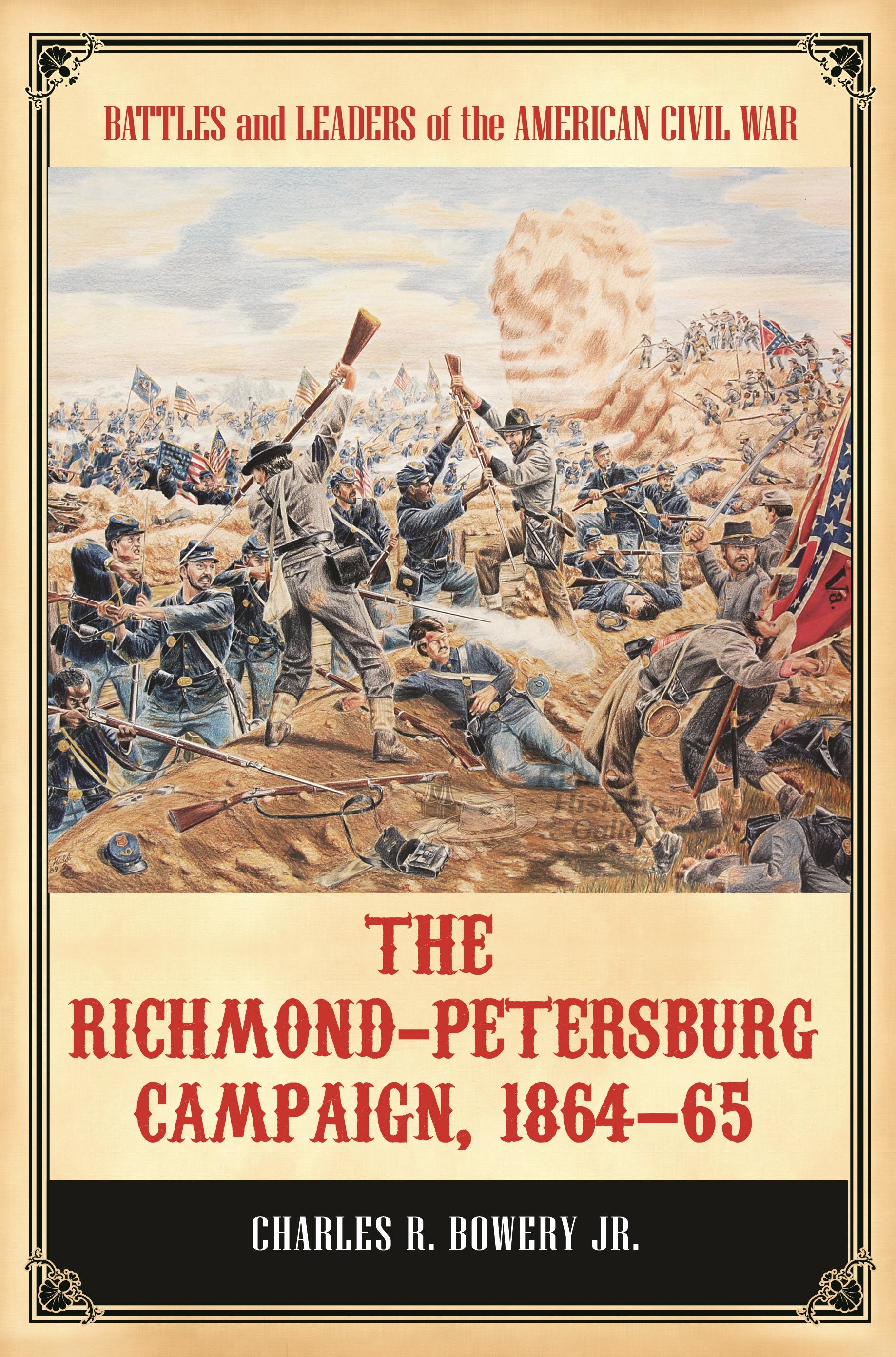
A compelling narrative of one of the Civil War's most pivotal campaigns in which Federal armies drove Robert E. Lee's army to the brink of defeat in April 1865.
The Richmond-Petersburg Campaign lasted for ten months, the longest in any theater of the war, and dwarfed all of the war's other campaigns for length of sustained combat, distances covered by the opposing forces, number of troops deployed, and number of battles and engagements. Yet this military operation has traditionally received little attention from scholars, considering its importance in bringing the war to an end. This concise reference analyzes the grueling 1864–65 campaign, particularly its strategic, operational, and tactical decisions, which shaped the course and outcome of the war.
The Richmond-Petersburg Campaign affected every segment of American society, bringing the impact of the war home to soldiers and civilians alike. General Ulysses S. Grant's armies employed more African Americans than in any other Civil War campaign, and their contributions were critical to Union victory. In an indication of the decisive importance of the campaign, the Confederacy took the unimaginable step of attempting to arm slaves for military service.
A historian and lifelong resident of Virginia, Charles R. Bowery Jr. combines a vivid narrative, in-depth character study, and technical aspects of warfare to describe the human drama of one of the Civil War's most complex, decisive, and fascinating conflicts. This riveting account reveals how, in spite of the exceptional commands of leaders Grant and Lee, both sides suffered from personal rivalries, questions of honor, ineffective organization, and poor communication. The book concludes with an assessment of the mixed performances of both armies, the factors that influenced the outcome, and the campaign's role in ending the Civil War.
The Richmond-Petersburg Campaign lasted for ten months, the longest in any theater of the war, and dwarfed all of the war's other campaigns for length of sustained combat, distances covered by the opposing forces, number of troops deployed, and number of battles and engagements. Yet this military operation has traditionally received little attention from scholars, considering its importance in bringing the war to an end. This concise reference analyzes the grueling 1864–65 campaign, particularly its strategic, operational, and tactical decisions, which shaped the course and outcome of the war.
The Richmond-Petersburg Campaign affected every segment of American society, bringing the impact of the war home to soldiers and civilians alike. General Ulysses S. Grant's armies employed more African Americans than in any other Civil War campaign, and their contributions were critical to Union victory. In an indication of the decisive importance of the campaign, the Confederacy took the unimaginable step of attempting to arm slaves for military service.
A historian and lifelong resident of Virginia, Charles R. Bowery Jr. combines a vivid narrative, in-depth character study, and technical aspects of warfare to describe the human drama of one of the Civil War's most complex, decisive, and fascinating conflicts. This riveting account reveals how, in spite of the exceptional commands of leaders Grant and Lee, both sides suffered from personal rivalries, questions of honor, ineffective organization, and poor communication. The book concludes with an assessment of the mixed performances of both armies, the factors that influenced the outcome, and the campaign's role in ending the Civil War.
Pay easily by card, Klarna, Apple Pay or Google Pay. Not happy? You always have a 14-day money-back guarantee. Read more in our terms. If you have any questions, email us at hello@memmo.org.
Memmo makes studying easier – wherever you are in the world. We bring your course books and smart study tools together in one place: summaries, quizzes, podcasts and flashcards. Plus Ted, your study buddy who answers anything you wonder. Over 50,000 students already study here – built to help you learn faster and stress less.