
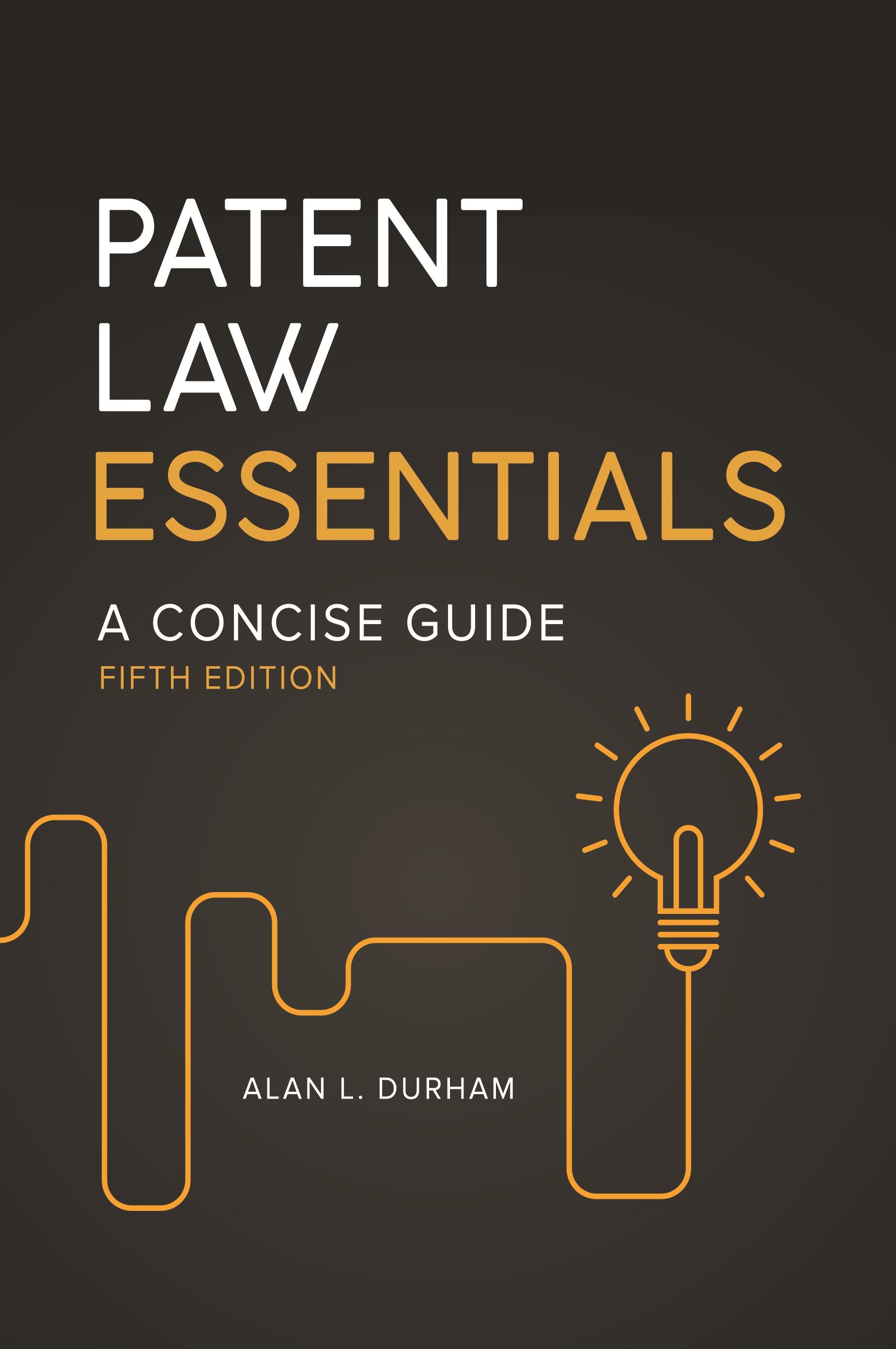
This essential desk reference for patent attorneys, engineers, entrepreneurs, innovators, development professionals, and students has been updated with the latest court cases and legislation.
In a world in which businesses thrive on innovation, it is more important than ever to understand the sometimes arcane rules through which human ingenuity becomes intellectual property. Although many reference works on patent law exist, they are written for specialists. Through clear writing, specific examples, and focus on the fundamentals, Patent Law Essentials: A Concise Guide makes the basic rules of patent law accessible to businesspeople, engineers, students, and others who need to understand the rules of a notoriously complicated game.
Patent Law Essentials begins with an overview of patent law and other aspects of intellectual property and then guides the reader through an example of an actual patent—one literally claiming "a better mousetrap." The chapters that follow discuss the types of inventions that can be patented (recently a subject of much dispute), the process of applying for a patent, the requirements of a valid patent, and the procedures for determining if a patent has been infringed upon. The appendix includes several examples of actual U.S. patents, including the mousetrap patent discussed in detail in the early chapters.
In a world in which businesses thrive on innovation, it is more important than ever to understand the sometimes arcane rules through which human ingenuity becomes intellectual property. Although many reference works on patent law exist, they are written for specialists. Through clear writing, specific examples, and focus on the fundamentals, Patent Law Essentials: A Concise Guide makes the basic rules of patent law accessible to businesspeople, engineers, students, and others who need to understand the rules of a notoriously complicated game.
Patent Law Essentials begins with an overview of patent law and other aspects of intellectual property and then guides the reader through an example of an actual patent—one literally claiming "a better mousetrap." The chapters that follow discuss the types of inventions that can be patented (recently a subject of much dispute), the process of applying for a patent, the requirements of a valid patent, and the procedures for determining if a patent has been infringed upon. The appendix includes several examples of actual U.S. patents, including the mousetrap patent discussed in detail in the early chapters.
Pay easily by card, Klarna, Apple Pay or Google Pay. Not happy? You always have a 14-day money-back guarantee. Read more in our terms. If you have any questions, email us at hello@memmo.org.
Memmo makes studying easier – wherever you are in the world. We bring your course books and smart study tools together in one place: summaries, quizzes, podcasts and flashcards. Plus Ted, your study buddy who answers anything you wonder. Over 50,000 students already study here – built to help you learn faster and stress less.