
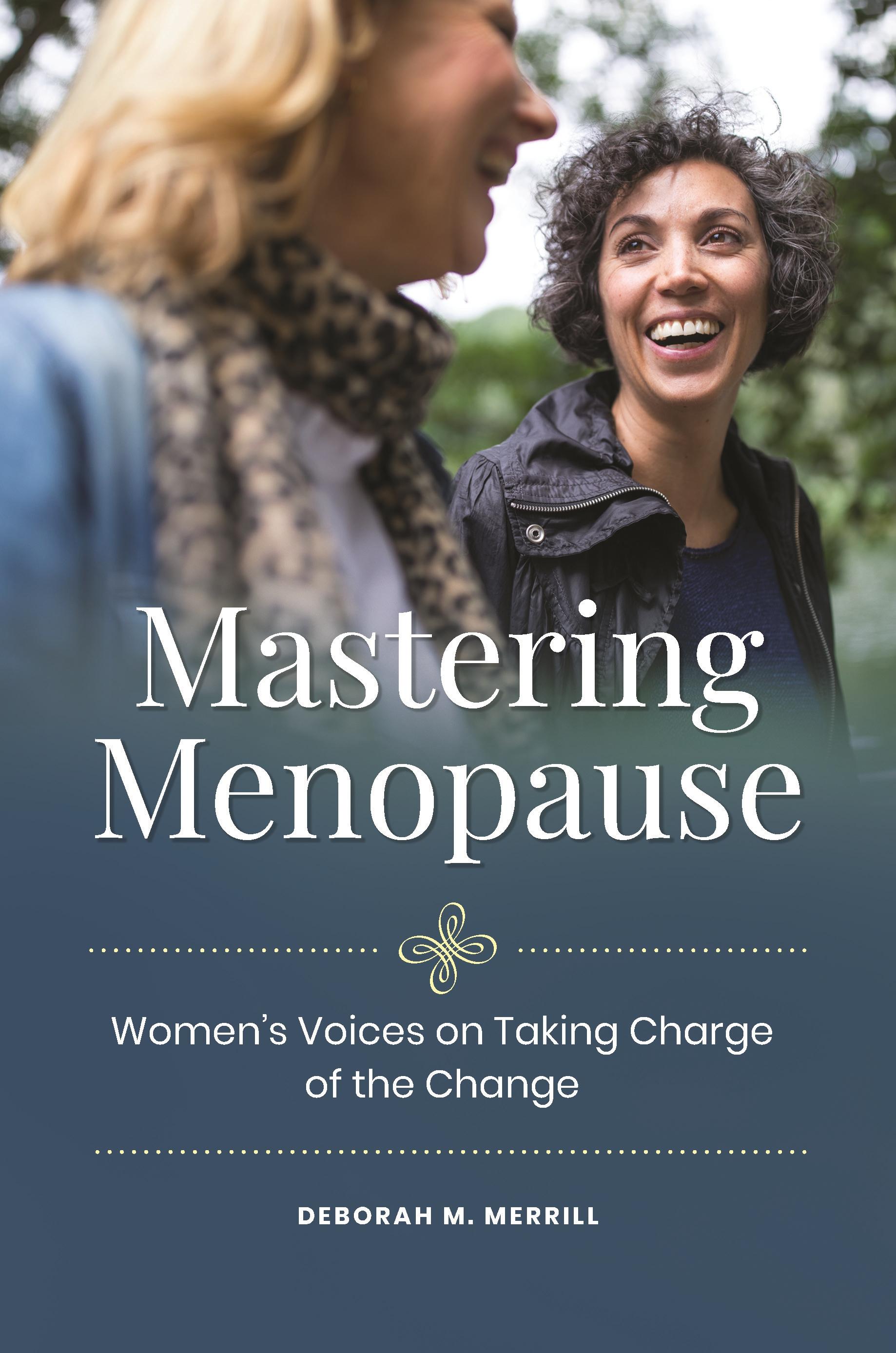
Interviews with and case studies of women in the U.S., accompanied by research in this text, show how our perceptions, thoughts, and spiritual practices can help women through menopause without drugs and their potential side effects.
More and more women today are seeking natural ways to cope with menopause, including through mindfulness techniques and Eastern practices such as meditation. Women of various races, ages, and socioeconomic status interviewed at length for this study explain their experiences, victories, and setbacks in their quests to overcome this natural but body- and brain-altering change.
Complementing findings from her research with wider outside research, author Deborah Merrill explains how popular culture depictions, race, class, and education all alter women's perceptions of the meaning of menopause, and how those perceptions can complicate, exacerbate, or alleviate physical and psychological symptoms. She details the "medical view" that views menopause as a problem to be solved, rather than as a natural event. And, through women's words and case studies, she details psychospiritual approaches many are adopting to cope, instead of seeking potentially harmful medicines. Readers will find new insights, wisdom, and potential solutions in the array of voices, experiences, and paths taken and presented in this book.
More and more women today are seeking natural ways to cope with menopause, including through mindfulness techniques and Eastern practices such as meditation. Women of various races, ages, and socioeconomic status interviewed at length for this study explain their experiences, victories, and setbacks in their quests to overcome this natural but body- and brain-altering change.
Complementing findings from her research with wider outside research, author Deborah Merrill explains how popular culture depictions, race, class, and education all alter women's perceptions of the meaning of menopause, and how those perceptions can complicate, exacerbate, or alleviate physical and psychological symptoms. She details the "medical view" that views menopause as a problem to be solved, rather than as a natural event. And, through women's words and case studies, she details psychospiritual approaches many are adopting to cope, instead of seeking potentially harmful medicines. Readers will find new insights, wisdom, and potential solutions in the array of voices, experiences, and paths taken and presented in this book.
Pay easily by card, Klarna, Apple Pay or Google Pay. Not happy? You always have a 14-day money-back guarantee. Read more in our terms. If you have any questions, email us at hello@memmo.org.
Memmo makes studying easier – wherever you are in the world. We bring your course books and smart study tools together in one place: summaries, quizzes, podcasts and flashcards. Plus Ted, your study buddy who answers anything you wonder. Over 50,000 students already study here – built to help you learn faster and stress less.