
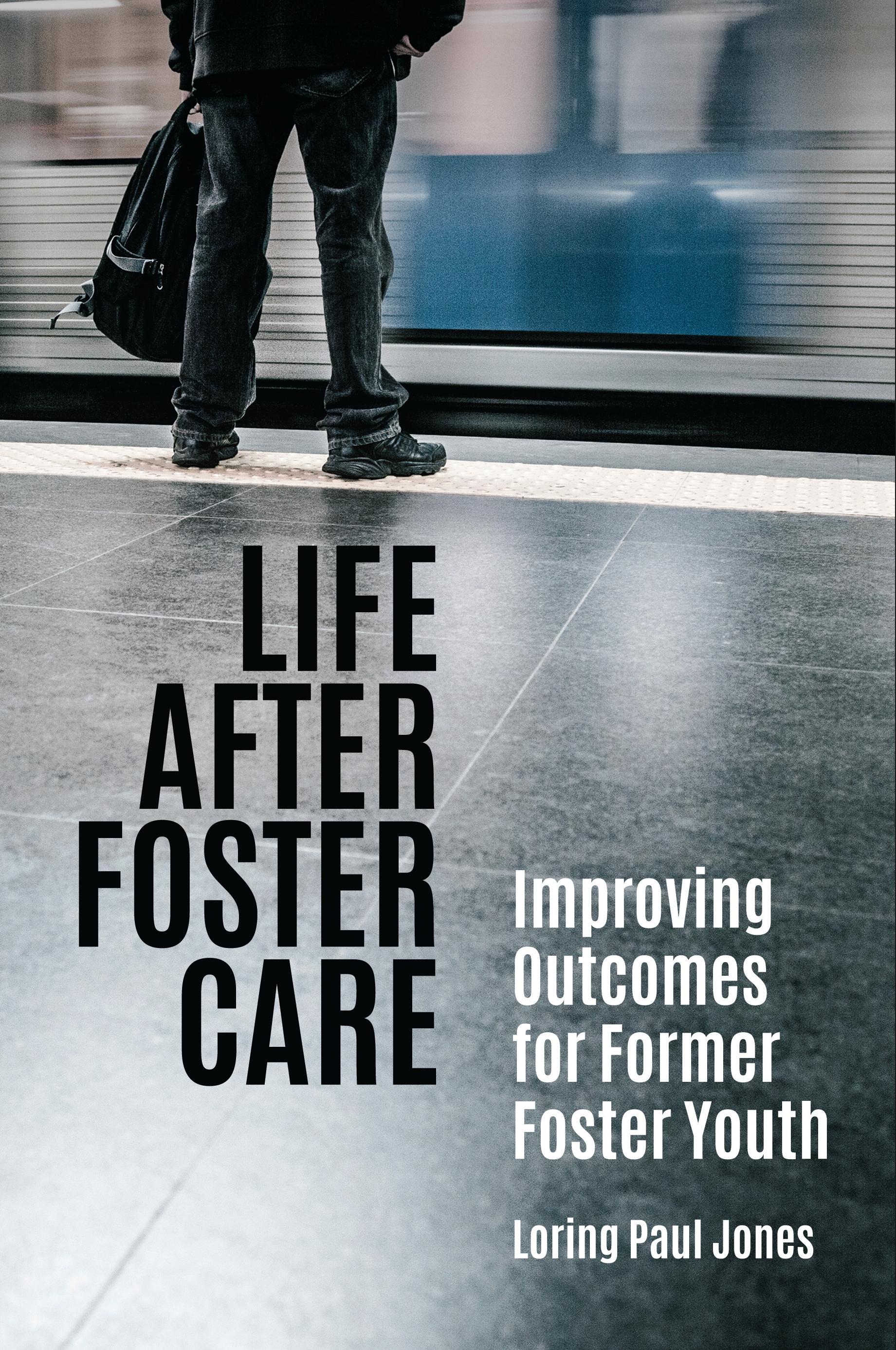
This book apprises readers of the present conditions of former and emancipated foster youth, provides evidence-based best practices regarding their experiences, and proposes new policies for ensuring better outcomes for these children upon discharge from foster care.
For most American youth, the transition to adulthood is gradual and aided by support from parents and others. In contrast, foster youth are expected to arrive at self-sufficiency abruptly and without the same level of support. Such an expectation may be due in part to what Loring Paul Jones has found in his research: that many of the studies conducted thus far have been fragmented and incomplete, often focusing on a particular state or agency that may follow policies not applicable nationwide.
This book connects the dots between these disparate studies to provide child welfare practitioners, policy makers, and students with a broader picture of the state of American youth following discharge from foster care. It examines not only child welfare policies but also related policies in areas such as housing and education that may contribute to the success or failure of foster youth in society. It additionally draws lessons from successful programs to provide readers with the tools needed to develop foster and after-care systems that more closely mirror the support afforded to youth in the general population.
For most American youth, the transition to adulthood is gradual and aided by support from parents and others. In contrast, foster youth are expected to arrive at self-sufficiency abruptly and without the same level of support. Such an expectation may be due in part to what Loring Paul Jones has found in his research: that many of the studies conducted thus far have been fragmented and incomplete, often focusing on a particular state or agency that may follow policies not applicable nationwide.
This book connects the dots between these disparate studies to provide child welfare practitioners, policy makers, and students with a broader picture of the state of American youth following discharge from foster care. It examines not only child welfare policies but also related policies in areas such as housing and education that may contribute to the success or failure of foster youth in society. It additionally draws lessons from successful programs to provide readers with the tools needed to develop foster and after-care systems that more closely mirror the support afforded to youth in the general population.
Pay easily by card, Klarna, Apple Pay or Google Pay. Not happy? You always have a 14-day money-back guarantee. Read more in our terms. If you have any questions, email us at hello@memmo.org.
Memmo makes studying easier – wherever you are in the world. We bring your course books and smart study tools together in one place: summaries, quizzes, podcasts and flashcards. Plus Ted, your study buddy who answers anything you wonder. Over 50,000 students already study here – built to help you learn faster and stress less.