
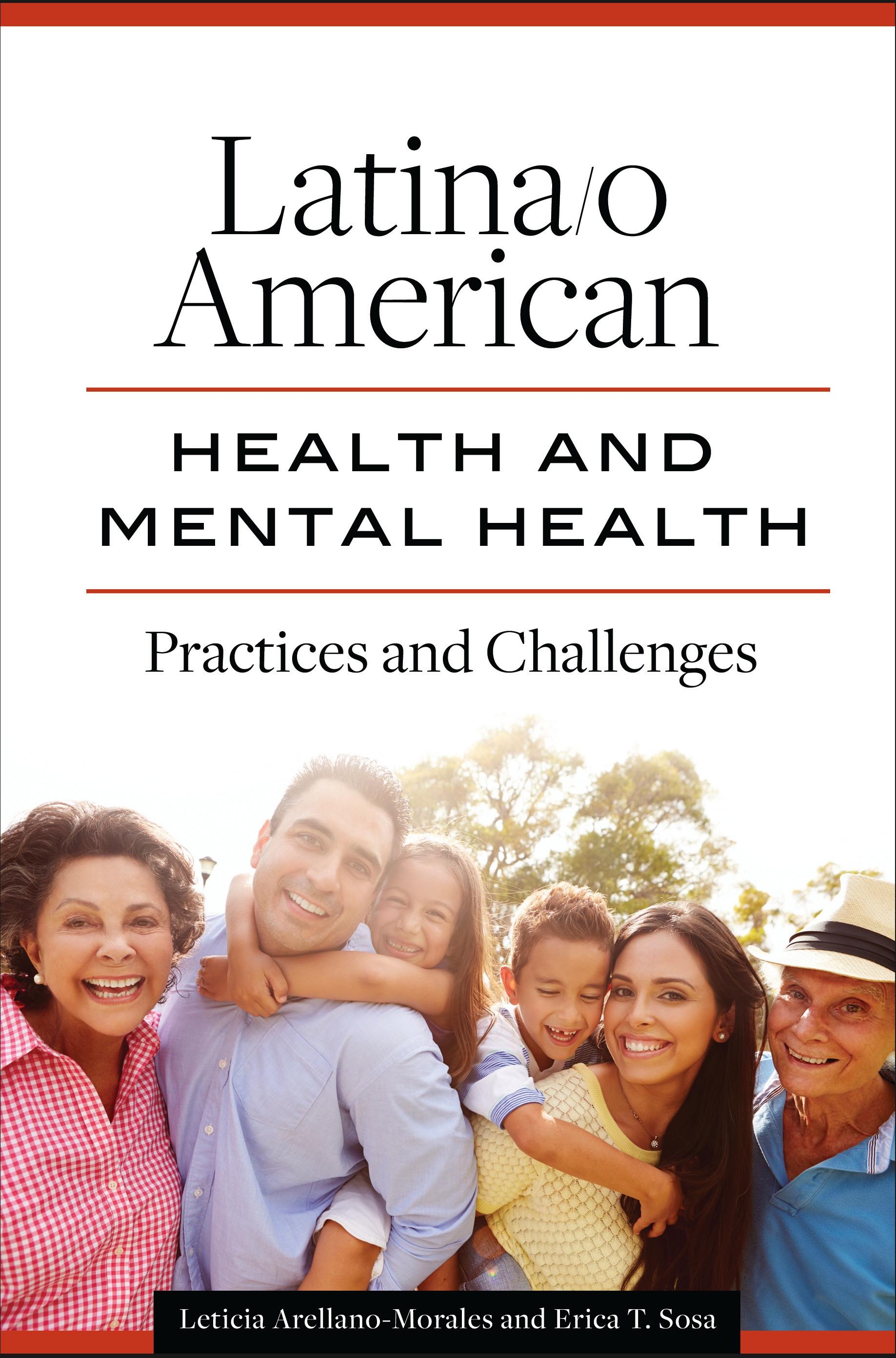
Essential reading for health and mental health administrators, community agencies, and policy makers as well as students and general interest readers, this book details the state of the physical and mental health of many Latina/o American groups.
While Latina/o Americans originate from more than 25 countries, most health or mental health texts largely focus on Mexican Americans and often fail to address other Latina/o groups, such as South Americans, Central Americans, Puerto Ricans, and others. Moreover, most works address either health or mental health, but not both together. In contrast, Latina/o American Health and Mental Health addresses both the health and mental health of diverse Latina/o heritage groups.
An interdisciplinary approach enables readers to identify both similar and divergent areas that affect the health and mental health of Latina/o Americans. Strengths-based and social justice perspectives, rather than a deficit perspective, guide the work in its assessment of disparities among treatment for different groups.
This text is ideal for graduate students, practitioners, researchers, and policy makers in public health, community health, family studies, psychology, counseling, social work, and Latina/o studies who are interested in understanding Latina/o health and mental health in the United States and providing culturally responsive services.
While Latina/o Americans originate from more than 25 countries, most health or mental health texts largely focus on Mexican Americans and often fail to address other Latina/o groups, such as South Americans, Central Americans, Puerto Ricans, and others. Moreover, most works address either health or mental health, but not both together. In contrast, Latina/o American Health and Mental Health addresses both the health and mental health of diverse Latina/o heritage groups.
An interdisciplinary approach enables readers to identify both similar and divergent areas that affect the health and mental health of Latina/o Americans. Strengths-based and social justice perspectives, rather than a deficit perspective, guide the work in its assessment of disparities among treatment for different groups.
This text is ideal for graduate students, practitioners, researchers, and policy makers in public health, community health, family studies, psychology, counseling, social work, and Latina/o studies who are interested in understanding Latina/o health and mental health in the United States and providing culturally responsive services.
Pay easily by card, Klarna, Apple Pay or Google Pay. Not happy? You always have a 14-day money-back guarantee. Read more in our terms. If you have any questions, email us at hello@memmo.org.
Memmo makes studying easier – wherever you are in the world. We bring your course books and smart study tools together in one place: summaries, quizzes, podcasts and flashcards. Plus Ted, your study buddy who answers anything you wonder. Over 50,000 students already study here – built to help you learn faster and stress less.