
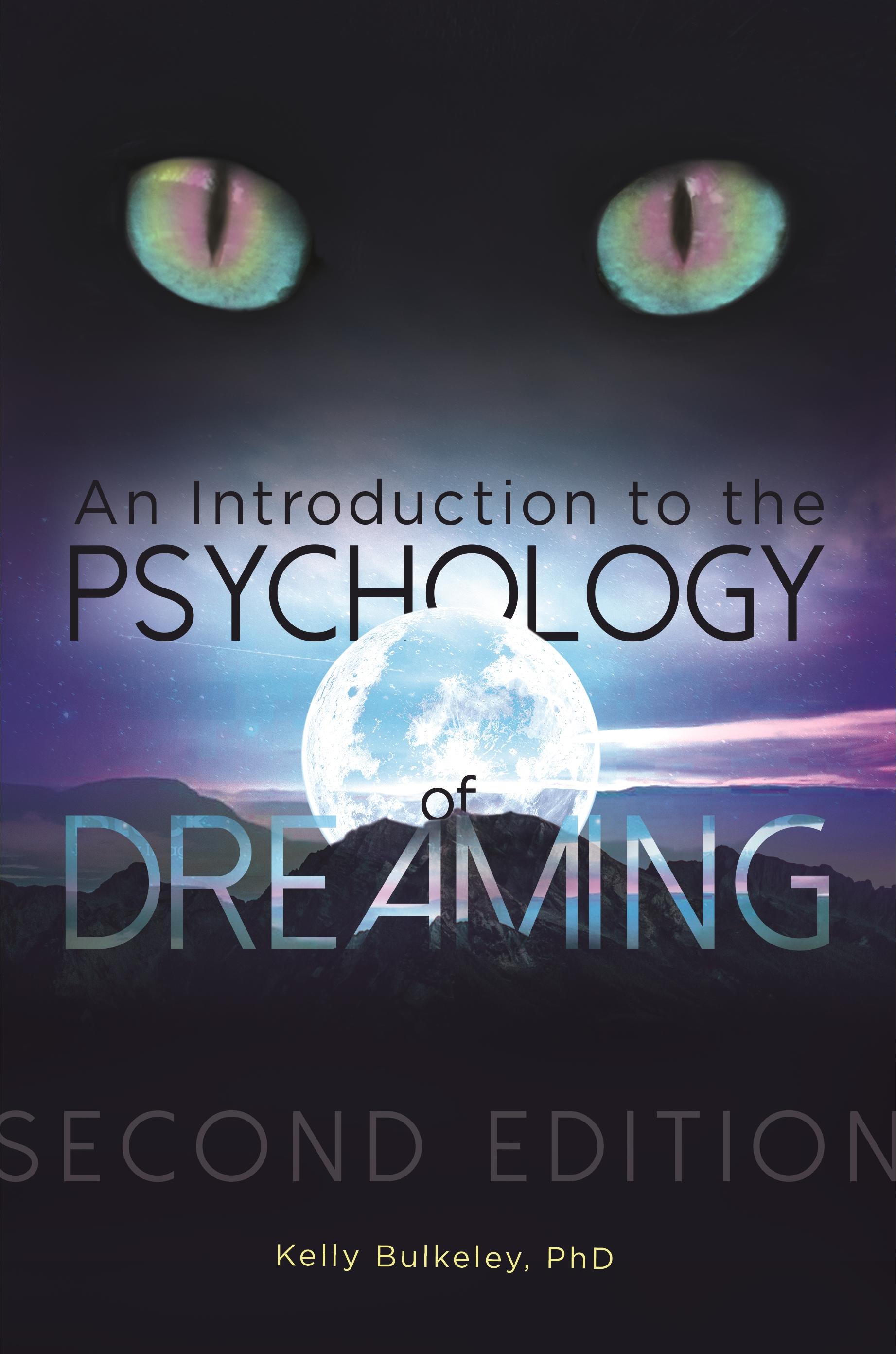
Introducing students at all levels to the key concepts of modern dream psychology, this concise book provides an overview of major theories regarding the formation, function, and interpretation of dreams.
Why do people dream, and what do dreams mean? What do the most recent neuroscientific research and studies of patterns in dream content reveal about the functionality of dreams? How do the ideas of earlier generations of dream psychologists continue to influence the research of psychologists today? An Introduction to the Psychology of Dreaming covers all major theories in dream psychology from 1900 to the present day. It provides readers with a unique resource that focuses specifically on this lineage of research in dream psychology and is concise and accessibly written.
Each chapter of the book analyzes a particular theory of dream psychology in terms of three basic questions: How are dreams formed? What functions do dreams serve? How can dreams be interpreted? By examining each theorist's answers to these questions, readers can clearly see how dream psychology theorists have both incorporated concepts from previous researchers and developed new ideas of their own. A breadth of psychological approaches are considered, from Freud and Jung to contemporary brain studies, giving readers an appreciation of the wide range of theories regarding this fascinating area of study.
Why do people dream, and what do dreams mean? What do the most recent neuroscientific research and studies of patterns in dream content reveal about the functionality of dreams? How do the ideas of earlier generations of dream psychologists continue to influence the research of psychologists today? An Introduction to the Psychology of Dreaming covers all major theories in dream psychology from 1900 to the present day. It provides readers with a unique resource that focuses specifically on this lineage of research in dream psychology and is concise and accessibly written.
Each chapter of the book analyzes a particular theory of dream psychology in terms of three basic questions: How are dreams formed? What functions do dreams serve? How can dreams be interpreted? By examining each theorist's answers to these questions, readers can clearly see how dream psychology theorists have both incorporated concepts from previous researchers and developed new ideas of their own. A breadth of psychological approaches are considered, from Freud and Jung to contemporary brain studies, giving readers an appreciation of the wide range of theories regarding this fascinating area of study.
Pay easily by card, Klarna, Apple Pay or Google Pay. Not happy? You always have a 14-day money-back guarantee. Read more in our terms. If you have any questions, email us at hello@memmo.org.
Memmo makes studying easier – wherever you are in the world. We bring your course books and smart study tools together in one place: summaries, quizzes, podcasts and flashcards. Plus Ted, your study buddy who answers anything you wonder. Over 50,000 students already study here – built to help you learn faster and stress less.