
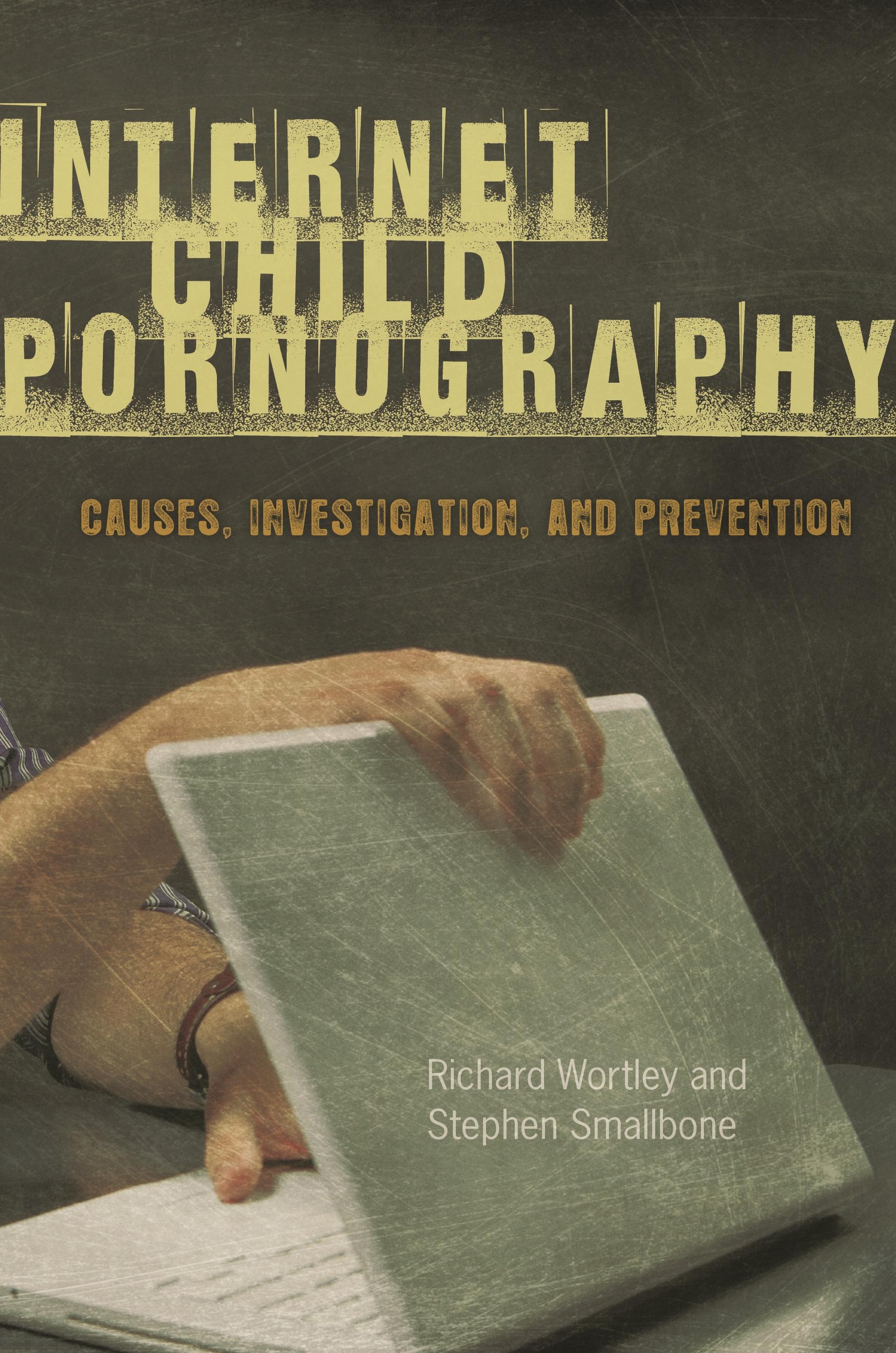
This book provides a comprehensive introduction to the problem of Internet child pornography that spotlights the connection between technology and behavior, presenting practical suggestions for reducing this pervasive problem.
The role of the Internet in fueling the problem of child pornography is enormous. Prior to the Internet, child pornography was typically locally produced, of poor quality, expensive, and difficult to obtain. United States' law enforcement officials were able to boast in the late 1970s that the traffic in child pornography had virtually been eliminated. The advent of the Internet in the 1980s made vast quantities of child pornography instantly available in the privacy of the viewer's home. Today, child pornography largely exists because of the opportunities provided by the Internet.
Internet Child Pornography provides a comprehensive overview of the issue by describing the problem of child pornography, examining the impact of the Internet, and presenting a profile of users. With this foundation in place, the authors then address responses to child pornography and shed light on the complexities of dealing with criminal activities that are perpetrated largely online—for example, the fact that people behave differently in online environments than they do in other areas of their lives. The book examines prevention efforts designed to reduce access to child pornography, law enforcement responses designed to catch known offenders, and treatment responses designed to reduce reoffending.
The role of the Internet in fueling the problem of child pornography is enormous. Prior to the Internet, child pornography was typically locally produced, of poor quality, expensive, and difficult to obtain. United States' law enforcement officials were able to boast in the late 1970s that the traffic in child pornography had virtually been eliminated. The advent of the Internet in the 1980s made vast quantities of child pornography instantly available in the privacy of the viewer's home. Today, child pornography largely exists because of the opportunities provided by the Internet.
Internet Child Pornography provides a comprehensive overview of the issue by describing the problem of child pornography, examining the impact of the Internet, and presenting a profile of users. With this foundation in place, the authors then address responses to child pornography and shed light on the complexities of dealing with criminal activities that are perpetrated largely online—for example, the fact that people behave differently in online environments than they do in other areas of their lives. The book examines prevention efforts designed to reduce access to child pornography, law enforcement responses designed to catch known offenders, and treatment responses designed to reduce reoffending.
Pay easily by card, Klarna, Apple Pay or Google Pay. Not happy? You always have a 14-day money-back guarantee. Read more in our terms. If you have any questions, email us at hello@memmo.org.
Memmo makes studying easier – wherever you are in the world. We bring your course books and smart study tools together in one place: summaries, quizzes, podcasts and flashcards. Plus Ted, your study buddy who answers anything you wonder. Over 50,000 students already study here – built to help you learn faster and stress less.