
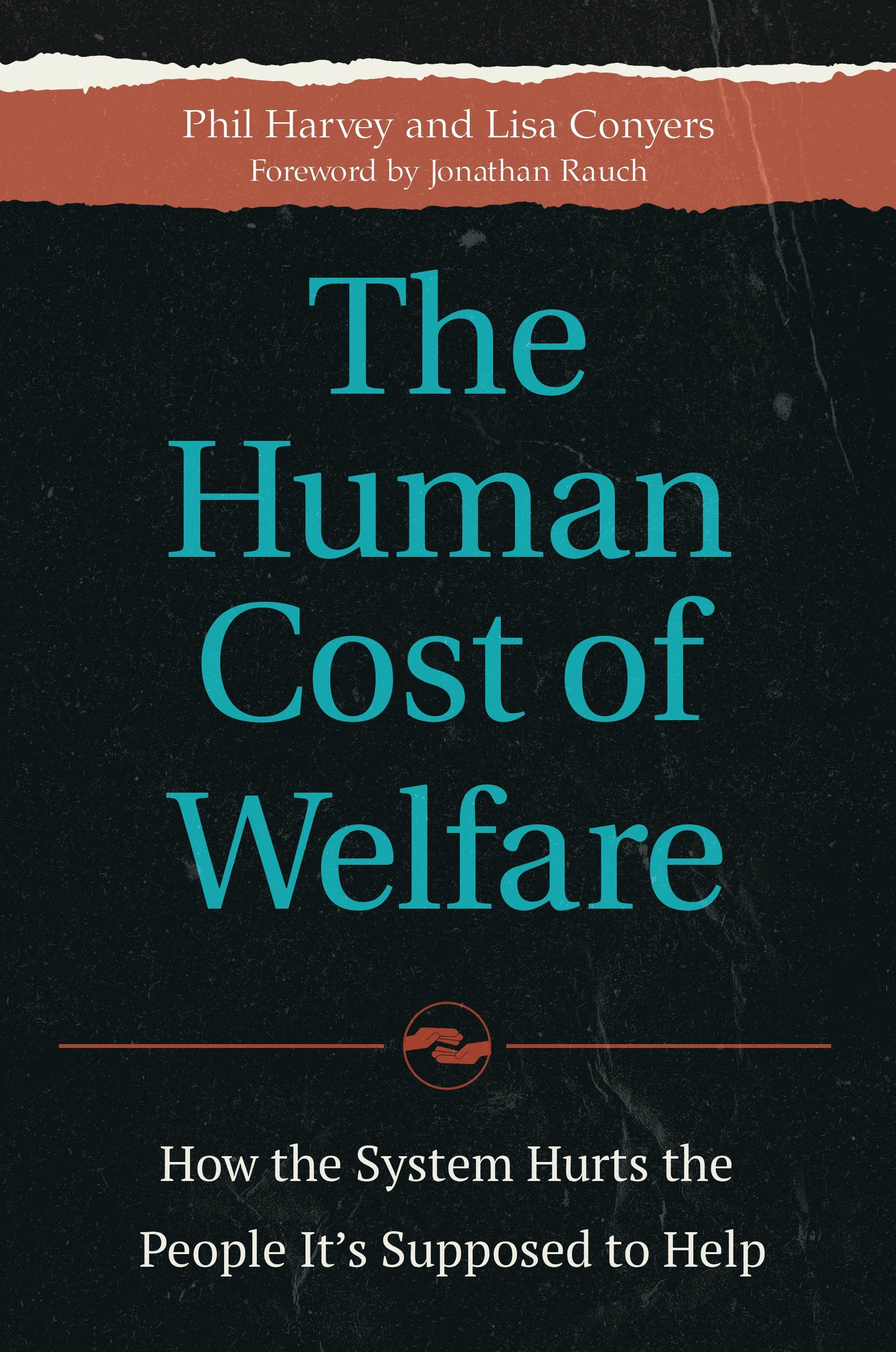
Why is the welfare system failing to work for so many people? This book examines the problems with the current welfare system and proposes reforms to create a smarter, smaller system that helps people improve their lives through rewarding work.
Unlike other books on welfare, this one draws on the stories of more than 100 welfare recipients who are trapped in a system that keeps them underemployed and unemployed. The authors present case studies that show that being a part of a welfare program can actively result in the recipient having to limit their job efforts for fear of losing government assistance. The book examines all major U.S. welfare systems, including Temporary Assistance for Needy Families, SNAP, Medicaid, and others.
The authors begin by exploring the nation's basic poverty issues and examining the relationship between work and happiness. Next, they zero in on specific welfare programs, reporting both on their dollar costs and on the ways that they fail enrollees. The book then concludes with strategies for addressing the shortcomings of the current U.S. welfare system. This book is appropriate for readers interested in public policy, government programs, welfare, and cultural shifts in America. It adds a new perspective to the existing body of welfare scholarship by systematically assessing the impact of welfare on the receivers themselves.
Unlike other books on welfare, this one draws on the stories of more than 100 welfare recipients who are trapped in a system that keeps them underemployed and unemployed. The authors present case studies that show that being a part of a welfare program can actively result in the recipient having to limit their job efforts for fear of losing government assistance. The book examines all major U.S. welfare systems, including Temporary Assistance for Needy Families, SNAP, Medicaid, and others.
The authors begin by exploring the nation's basic poverty issues and examining the relationship between work and happiness. Next, they zero in on specific welfare programs, reporting both on their dollar costs and on the ways that they fail enrollees. The book then concludes with strategies for addressing the shortcomings of the current U.S. welfare system. This book is appropriate for readers interested in public policy, government programs, welfare, and cultural shifts in America. It adds a new perspective to the existing body of welfare scholarship by systematically assessing the impact of welfare on the receivers themselves.
Pay easily by card, Klarna, Apple Pay or Google Pay. Not happy? You always have a 14-day money-back guarantee. Read more in our terms. If you have any questions, email us at hello@memmo.org.
Memmo makes studying easier – wherever you are in the world. We bring your course books and smart study tools together in one place: summaries, quizzes, podcasts and flashcards. Plus Ted, your study buddy who answers anything you wonder. Over 50,000 students already study here – built to help you learn faster and stress less.