
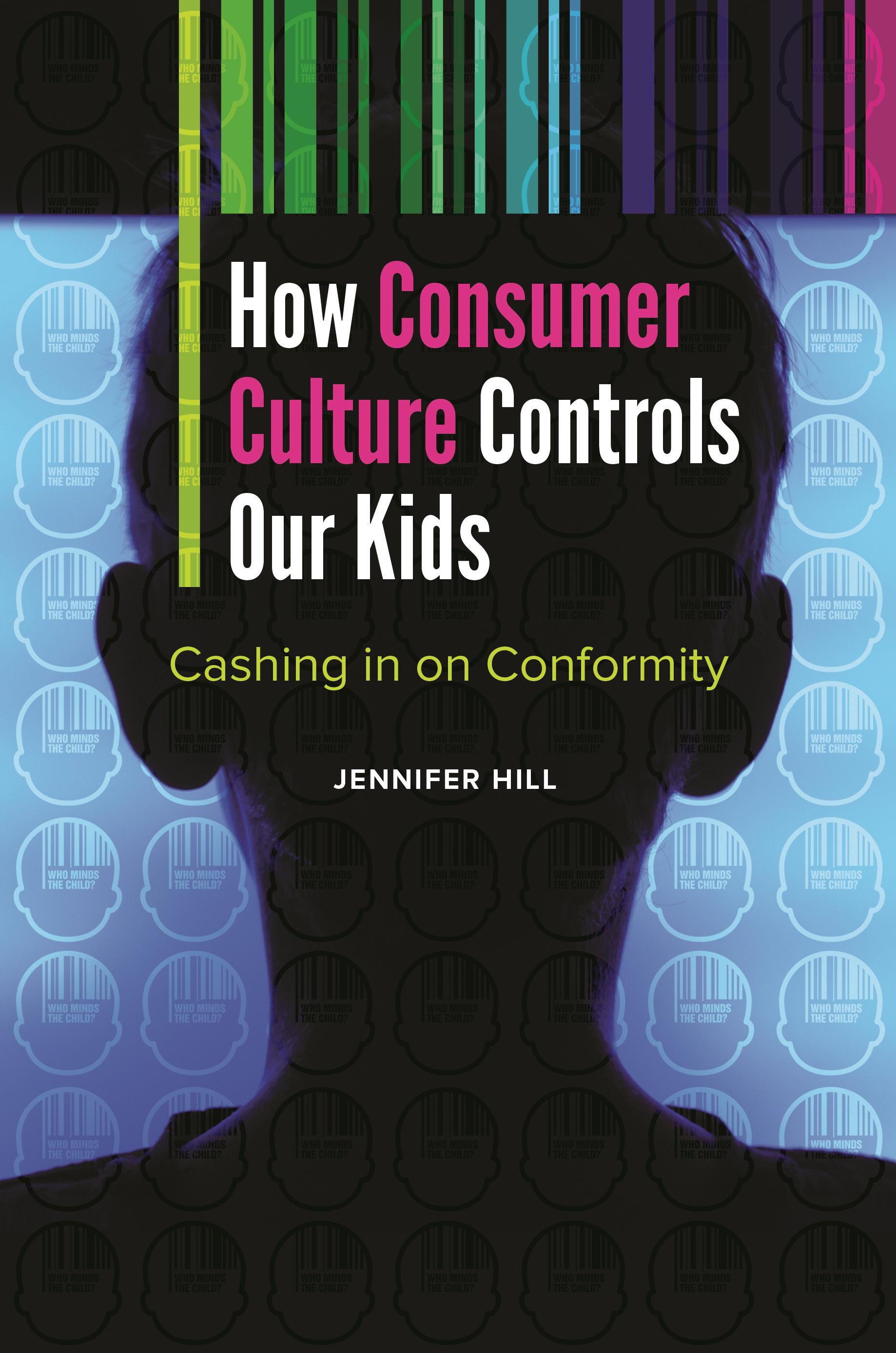
This gripping book considers the history, techniques, and goals of child-targeted consumer campaigns and examines children's changing perceptions of what commodities they "need" to be valued and value themselves.
In this critique of America's consumption-based society, author Jennifer Hill chronicles the impact of consumer culture on children—from the evolution of childhood play to a child's self-perception as a consumer to the consequences of this generation's repeated media exposure to violence. Hill proposes that corporations, eager to tap into a multibillion-dollar market, use the power of advertising and the media to mold children's thoughts and behaviors.
The book features vignettes with teenagers explaining, in their own words, how advertising determines their needs, wants, and self-esteem. An in-depth analysis of this research reveals the influence of media on a young person's desire to conform, shows how broadcasted depictions of beauty distort the identities of children and teens, and uncovers corporate agendas for manipulating behavior in the younger generation. The work concludes with the position that corporations are shaping children to be efficient consumers but, in return, are harming their developing young minds and physical well-being.
In this critique of America's consumption-based society, author Jennifer Hill chronicles the impact of consumer culture on children—from the evolution of childhood play to a child's self-perception as a consumer to the consequences of this generation's repeated media exposure to violence. Hill proposes that corporations, eager to tap into a multibillion-dollar market, use the power of advertising and the media to mold children's thoughts and behaviors.
The book features vignettes with teenagers explaining, in their own words, how advertising determines their needs, wants, and self-esteem. An in-depth analysis of this research reveals the influence of media on a young person's desire to conform, shows how broadcasted depictions of beauty distort the identities of children and teens, and uncovers corporate agendas for manipulating behavior in the younger generation. The work concludes with the position that corporations are shaping children to be efficient consumers but, in return, are harming their developing young minds and physical well-being.
Pay easily by card, Klarna, Apple Pay or Google Pay. Not happy? You always have a 14-day money-back guarantee. Read more in our terms. If you have any questions, email us at hello@memmo.org.
Memmo makes studying easier – wherever you are in the world. We bring your course books and smart study tools together in one place: summaries, quizzes, podcasts and flashcards. Plus Ted, your study buddy who answers anything you wonder. Over 50,000 students already study here – built to help you learn faster and stress less.